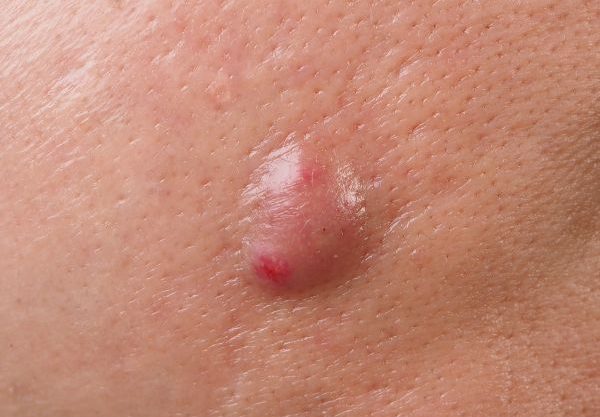
Overview
What is a cyst?
A cyst is a rounded lump formed by a thin wall of tissue that encloses fluid or other material. Skin cysts usually develop just beneath the surface of the skin and may feel smooth, firm or slightly rubbery. They vary in size and may remain unchanged for years or gradually increase in size.
Many do not require treatment, but medical assessment is recommended if a cyst changes, becomes painful, infected or causes concern.
How common are cysts?
Cysts are very common and can affect people of any age. Skin cysts, including epidermoid and pilar cysts, are frequently seen in adults and are one of the most common reasons for assessment of benign lumps in primary care and dermatology clinics.
Are cysts usually harmless?
Yes. The vast majority of cysts are harmless and do not become cancerous. However, other conditions can appear similar to cysts, so any new, persistent or changing lump should be assessed by a healthcare professional.
Where do cysts usually occur?
Skin cysts most often develop on areas with hair follicles and oil glands, including:
Cysts can also form in other parts of the body, such as the ovaries or kidneys. This page focuses on skin and soft-tissue cysts.
Types of cysts
Skin cysts are closed sacs beneath the surface of the skin. They usually grow slowly and are often harmless. Although many cysts look similar from the outside, they form in different ways depending on the tissue they arise from.
Common skin cysts
Epidermoid cysts are the most common type of skin cyst. They form when surface skin cells move deeper into the skin and continue producing keratin, a protein found in skin and hair. These cysts usually grow slowly and are most often found on the face, neck, chest or back. Many have a small central opening, called a punctum, and may release a thick, yellowish material if they rupture. They are benign but can become inflamed or infected.
Pilar cysts develop from the outer root sheath of a hair follicle and are most commonly found on the scalp. They tend to be firm, smooth and freely movable beneath the skin. Unlike epidermoid cysts, they usually do not have a visible central punctum. Pilar cysts may run in families and are more common in middle-aged adults, particularly women.
The term “sebaceous cyst” is commonly used but medically imprecise. True sebaceous cysts arise from sebaceous (oil) glands and are uncommon. Many cysts described as sebaceous are actually epidermoid or pilar cysts. When present, they may contain an oily or keratin-based material and appear as slow-growing lumps beneath the skin.
Milia are very small cysts that form when keratin becomes trapped just beneath the skin surface. They appear as tiny white or yellowish bumps, most commonly on the face, especially around the eyes and cheeks. Milia are harmless and often resolve on their own, although they can be removed for cosmetic reasons.
Other common cyst types
Not all cysts occur in the skin. Some develop in deeper tissues or near joints.
Dermoid cysts are congenital cysts that form before birth when skin cells and related structures become trapped during early development. When they occur in the skin, they often present as slow-growing, painless lumps near the face, scalp or neck.
Dermoid cysts may contain keratin, hair follicles and sebaceous material. They can also develop internally, most commonly in the ovaries, where they are known as ovarian dermoid cysts. These are usually benign but may require monitoring or surgical removal.
Ganglion cysts are fluid-filled swellings that develop near joints or tendons, most commonly on the wrist or hand. Their size may change with activity. They are not skin cysts but can appear as visible lumps beneath the skin.
Pilonidal cysts
Pilonidal cysts form near the cleft of the buttocks and often contain hair and skin debris. They can become inflamed or infected and may recur if not fully treated.
Symptoms and Causes
What does a cyst look and feel like?
Some cysts, particularly epidermoid cysts, have a small central opening (punctum).
When can cysts cause symptoms?
A cyst may become symptomatic if it:
Symptoms may include redness, swelling, warmth, tenderness or discharge of thick, foul-smelling material.
What causes cysts to form?
Cysts can develop due to:
Cysts are not caused by poor hygiene and are not contagious.
Diagnosis and Tests
How are cysts diagnosed?
Most cysts are diagnosed during a physical examination. A GP or dermatologist will assess the lump’s size, texture, mobility and appearance to determine whether it is consistent with a cyst.
Are tests usually needed?
Further tests are not usually required. However, imaging such as ultrasound may be recommended if:
A biopsy or surgical removal may be advised if there is concern about another diagnosis.
Can cysts be cancerous?
True skin cysts are almost always benign. Very rarely, skin cancers or other growths can resemble cysts, which is why professional assessment is important for new or changing lumps.
Management and Treatment
Do all cysts need treatment?
No. Many cysts can be safely left alone if they are small, painless and not causing problems. Observation and monitoring are often appropriate.
When is treatment recommended?
Treatment may be considered if a cyst:
When is treatment recommended?
Treatment depends on symptoms and cyst type and may include:
Squeezing or attempting to pop a cyst at home is not recommended, as this increases the risk of infection, scarring and recurrence.
What treatment options are available?
Yes. If the cyst lining is not completely removed, the cyst may reform. Complete surgical removal significantly reduces the chance of recurrence.
Surgical removal under local anaesthetic, with minimal scarring
From £295
Outlook/Prognosis
What is the long-term outlook for cysts?
The outlook for most cysts is excellent. Many remain stable and cause no long-term issues. When treatment is required, outcomes are usually very good, particularly after complete removal.
Do cysts cause complications?
Most cysts do not cause complications. When problems do occur, they are usually mild and may include:
Although serious complications are rare, any cyst that becomes painful, inflamed, rapidly enlarging or changes in appearance should be assessed by a healthcare professional.
Prevention
Can cysts be prevented?
There is no reliable way to prevent cysts from forming, as they often result from normal processes within the skin.
What can help reduce problems?
Avoid picking, squeezing or irritating lumps. Seek early medical advice for new or changing lumps. Manage skin conditions, such as acne, that can contribute to blocked follicles
When to seek medical advice
You should see a GP or dermatologist if a lump: