



Hair loss has many causes, and the right treatment depends on yours. At Aventus Clinic, we find out what’s behind your thinning first, then build a plan that may include medication, PRP, PRF, laser therapy or an FUE hair transplant.
Free, no-obligation online assessment. Send your photos in about 2 minutes.
The most common cause is pattern hair loss, also called androgenetic alopecia. It’s largely inherited and linked to the hormone DHT, which gradually shrinks hair follicles so each new hair grows finer and shorter.
But it isn’t the only cause. Stress, illness, childbirth, low iron, thyroid problems, hormonal changes and tight hairstyles can all lead to thinning or shedding. Some of these are temporary. Others need medical treatment.
That’s why treating hair loss starts with a diagnosis. A treatment that works well for one type can do nothing for another.
Important note: sudden shedding, round bald patches, or an itchy, sore or inflamed scalp can point to a condition that needs medical care. Don't wait to get it checked.
performed at Aventus
grafts · FUE
after procedure
grafts · FUE
after procedure
grafts · FUE
after procedure
grafts · FUE
after procedure
grafts · FUE
after procedure
grafts · FUE
after procedure
grafts · FUE
after procedure
grafts · FUE
after procedure
grafts · FUE
after procedure
grafts · FUE
after procedure
grafts · FUE
after procedure
grafts · FUE
after procedure
Hair restoration
after procedure
Hair restoration
after procedure
Hair restoration
after procedure
Hair restoration
after procedure
Hair restoration
after procedure
Hair restoration
after procedure
Hair restoration
after procedure
Hair restoration
after procedure
Hair restoration
after procedure
Hair restoration
after procedure
Hair restoration
after procedure
Most hair loss can't be fixed with one treatment alone. We build your plan around three goals, and use whichever treatments achieve them.
Your hair is thinning but still there
You've noticed a widening parting or less volume
Your hair has become finer over time
You'd rather avoid surgery for now
You want to protect your hair after a transplant
Your hairline has receded or your crown is bald
Your hair loss has stabilised, often with medication
You have healthy hair at the back and sides
You have realistic goals for density
You want a long-lasting result
We assess your hair loss pattern, scalp health and medical history, and may recommend blood tests before suggesting a suitable treatment.
Free · No obligation · About 2 minutes
In pattern hair loss, follicles shrink a little more with each growth cycle. This is called miniaturisation. Over time, a follicle can stop producing hair altogether.
Non-surgical treatments only work on follicles that are still active. The sooner you start, the more hair there is to protect and strengthen. Once an area is completely bald, a hair transplant is usually the only way to restore it.
Minoxidil supports the hair growth cycle, while finasteride helps reduce DHT, a hormone linked to male pattern hair loss. Both require ongoing use.
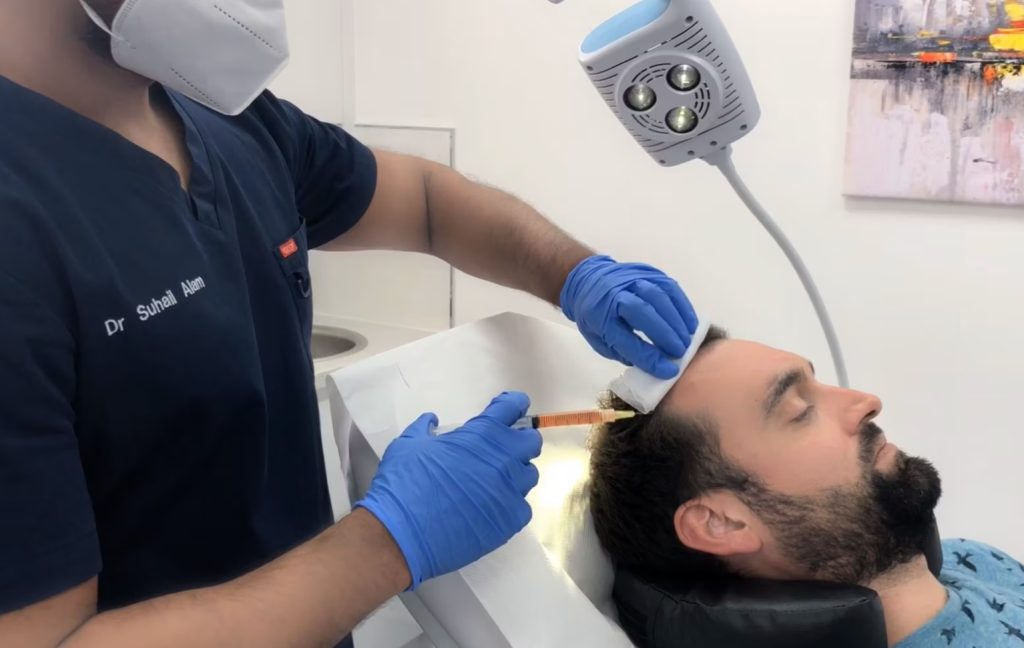
A concentrate of your own platelets injected into thinning areas. Usually three sessions, four to six weeks apart, followed by maintenance.
Uses a concentration of your own platelets within a fibrin matrix, allowing growth factors to be released more gradually than with PRP.
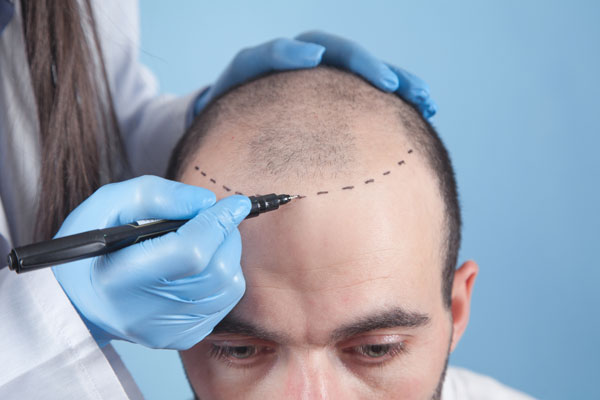
Individual follicles are carefully moved to areas of hair loss in a single day under local anaesthetic. No strip, no stitches and no visible linear scar.
Uses low-level red light to stimulate scalp follicles and support hair growth. Treatment is non-invasive, painless and requires no downtime.
A personalised procedure designed around female pattern hair loss, thinning part lines and donor hair suitability, following a clinical assessment.

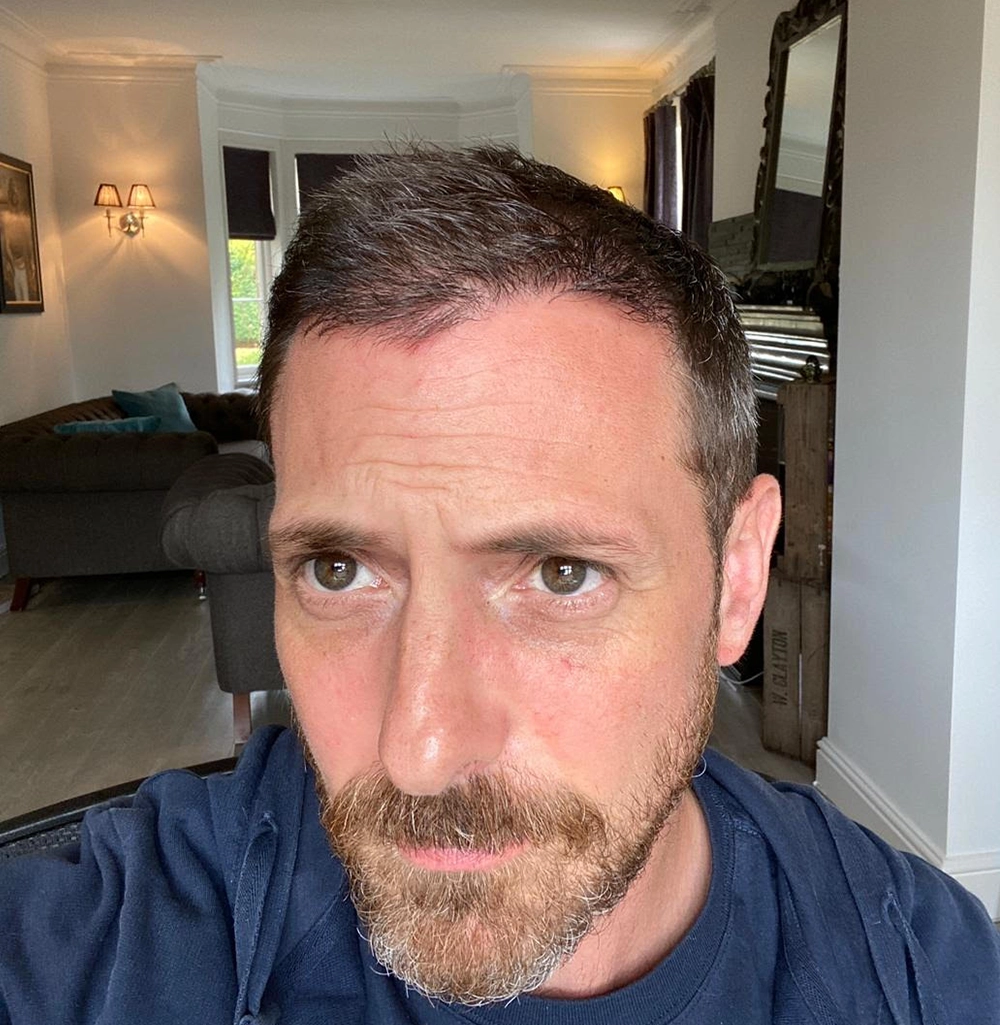
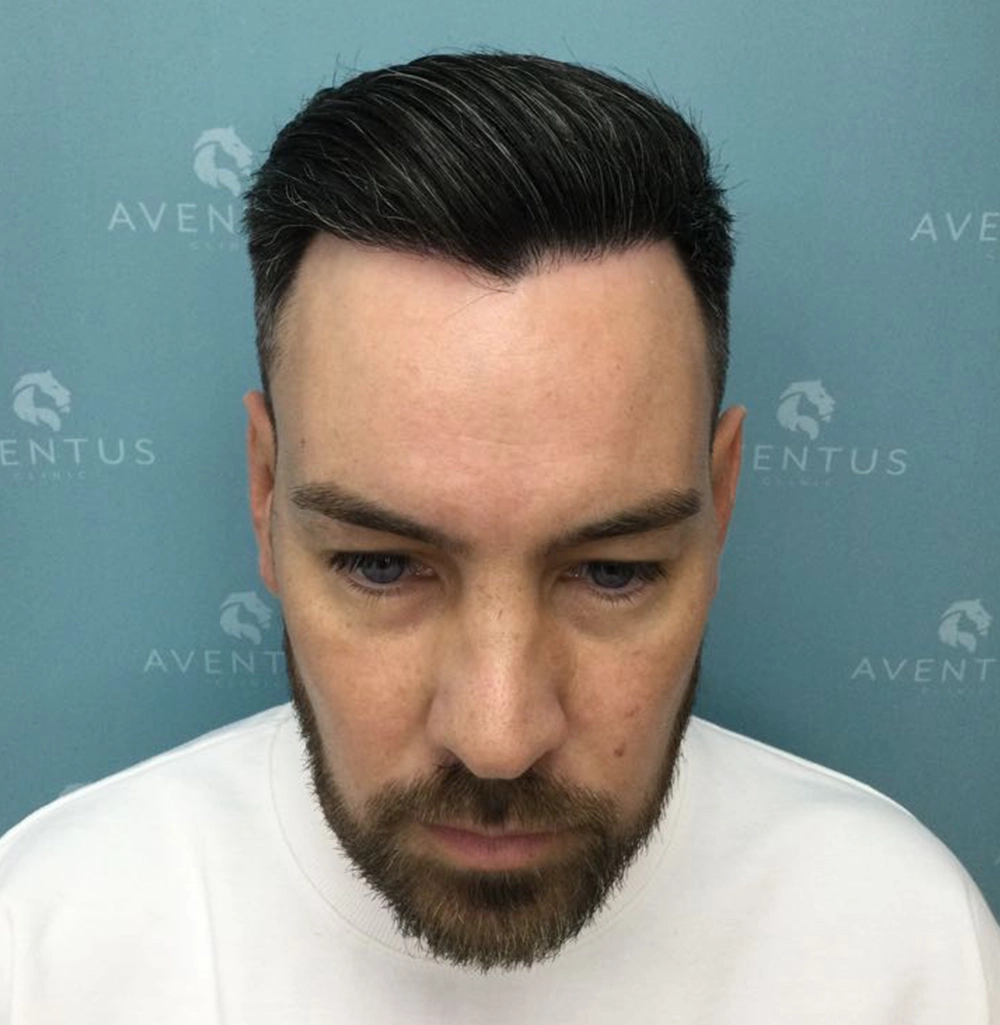
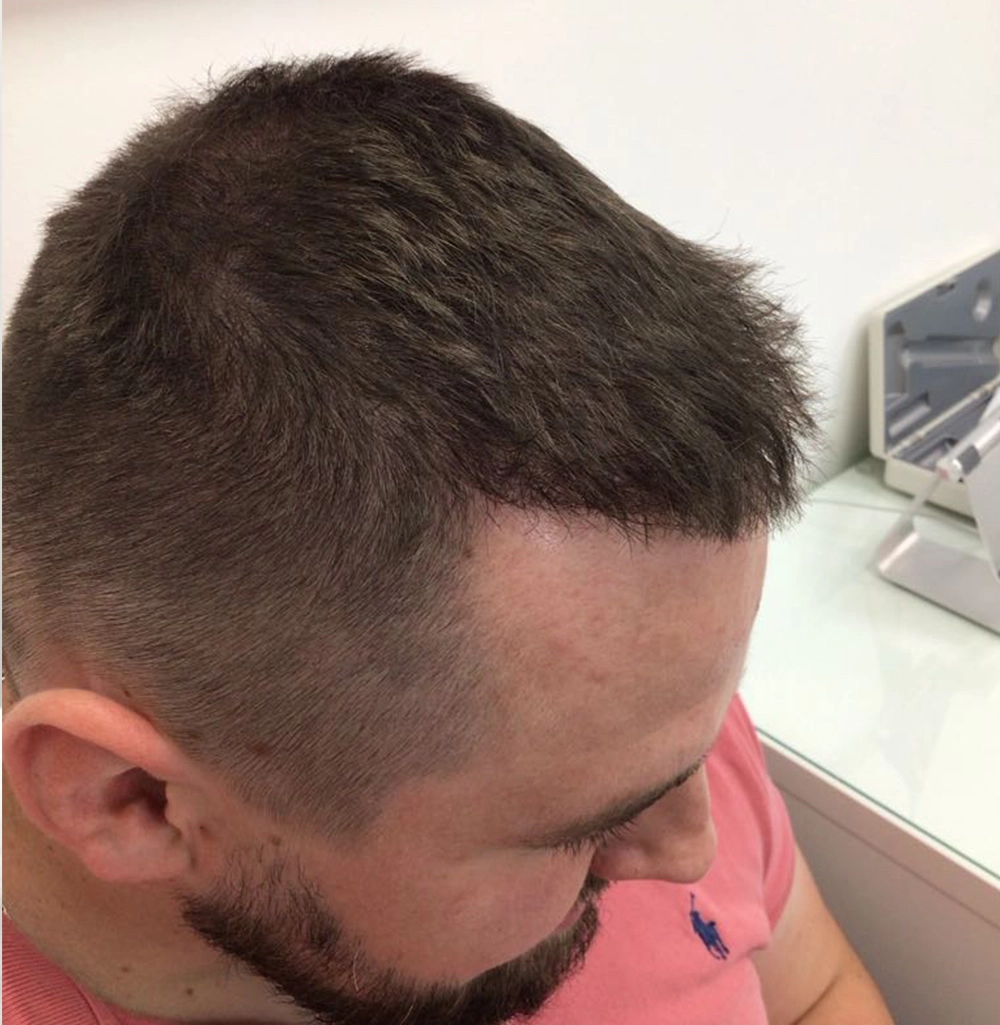
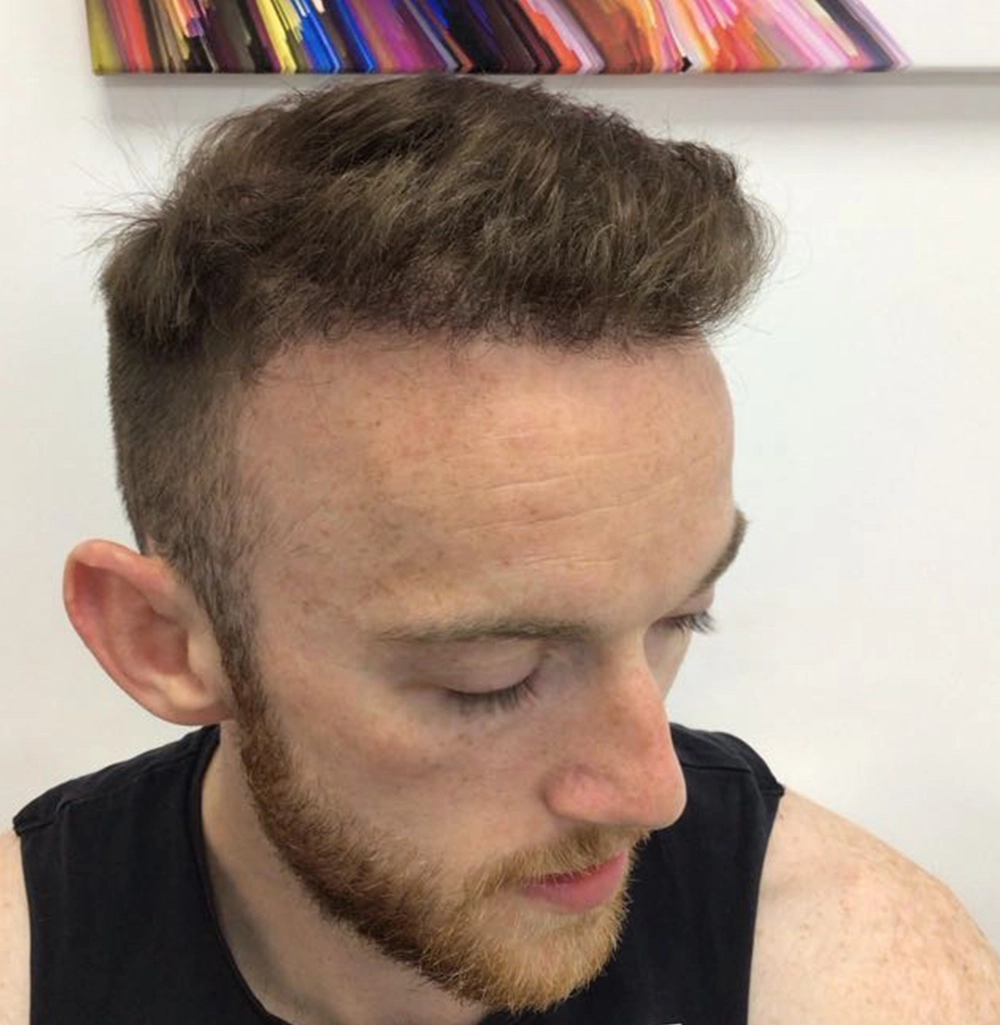
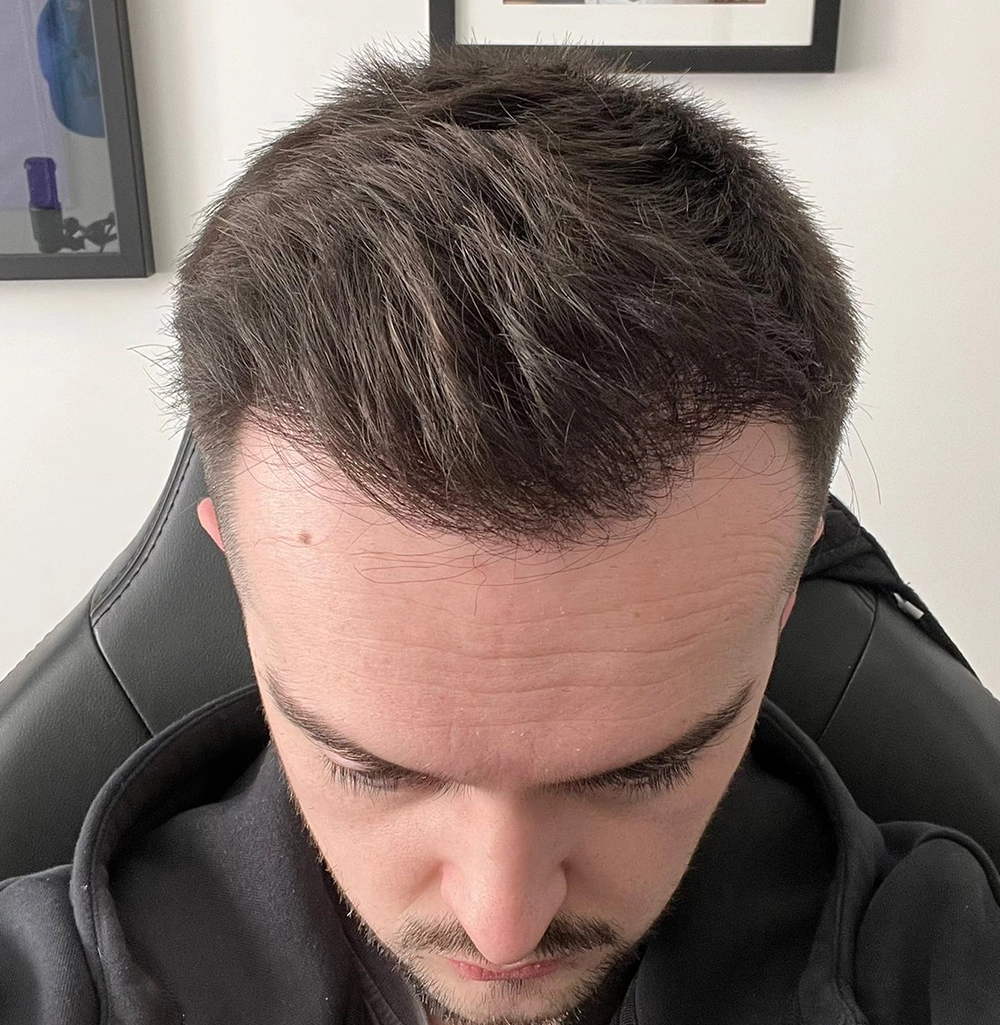
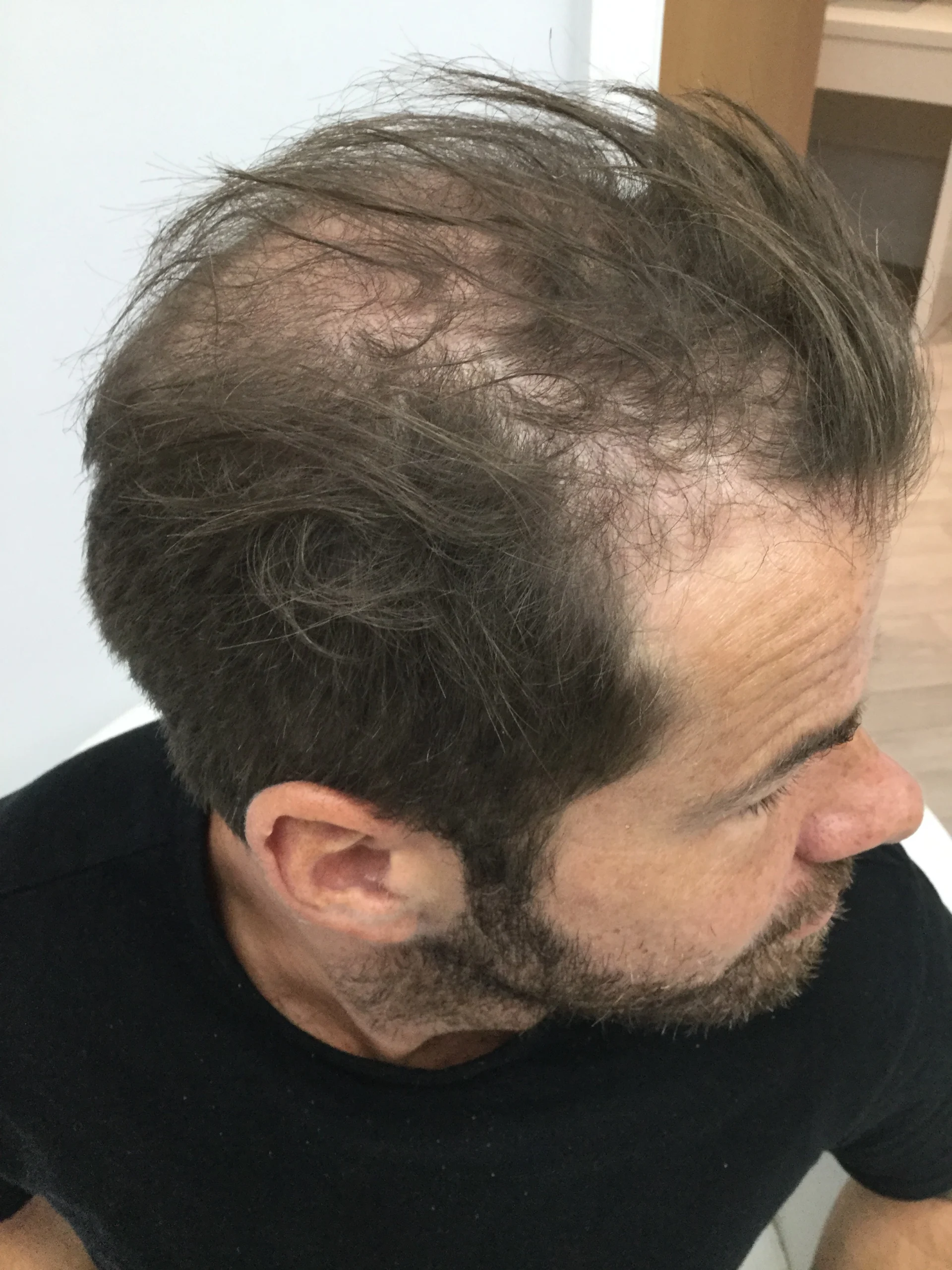
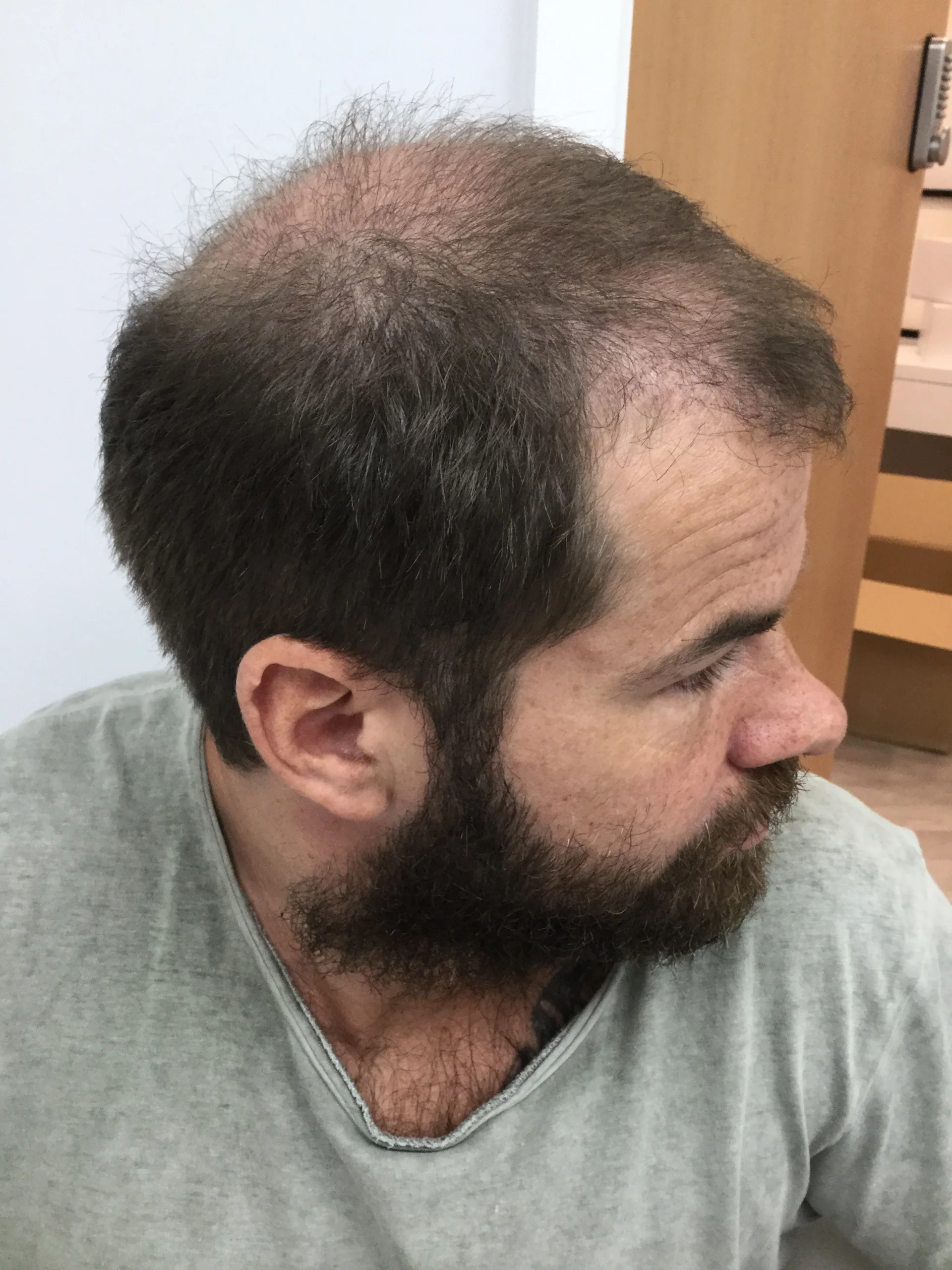
Hair transplant and PRP treatment patient
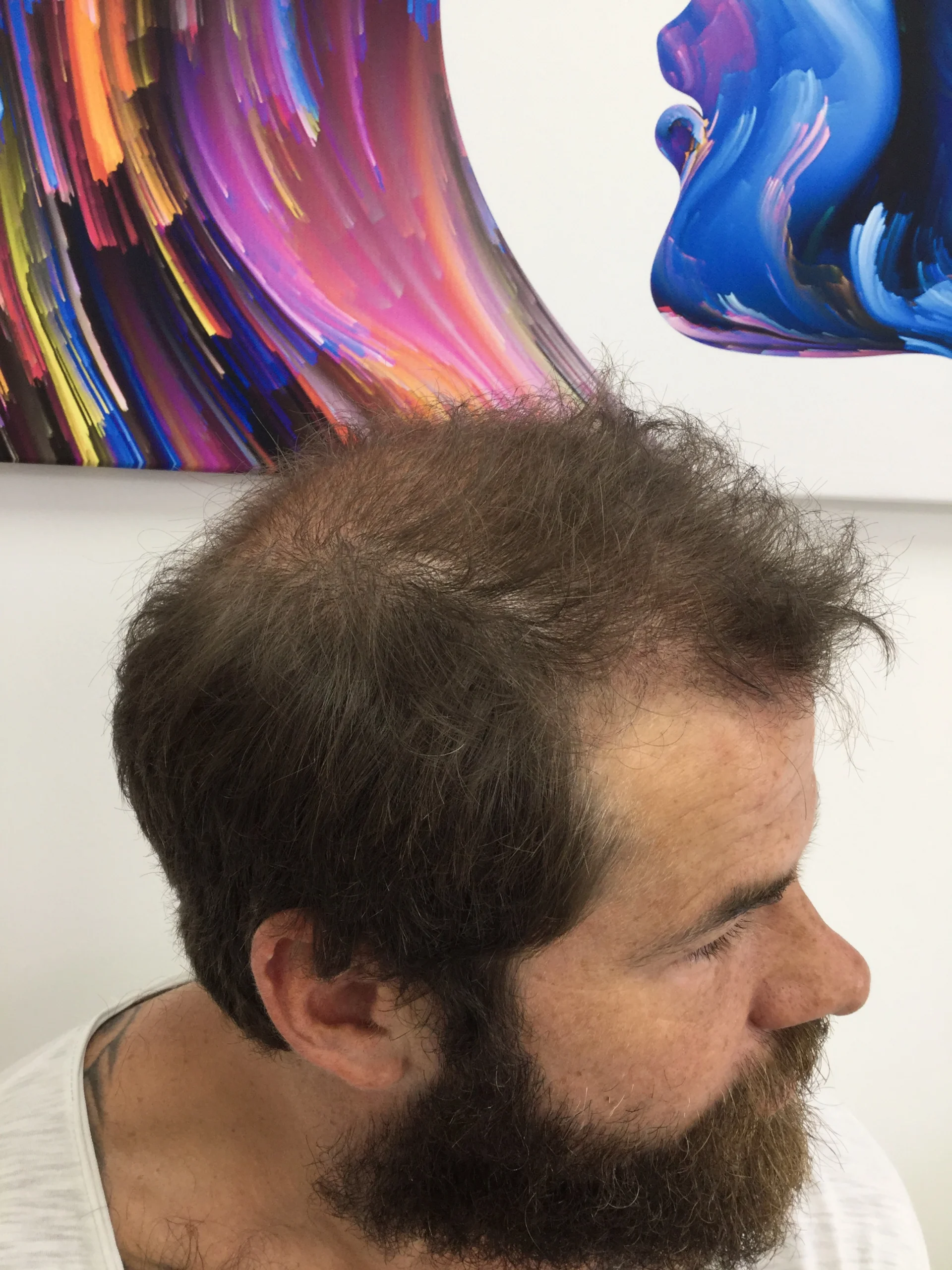
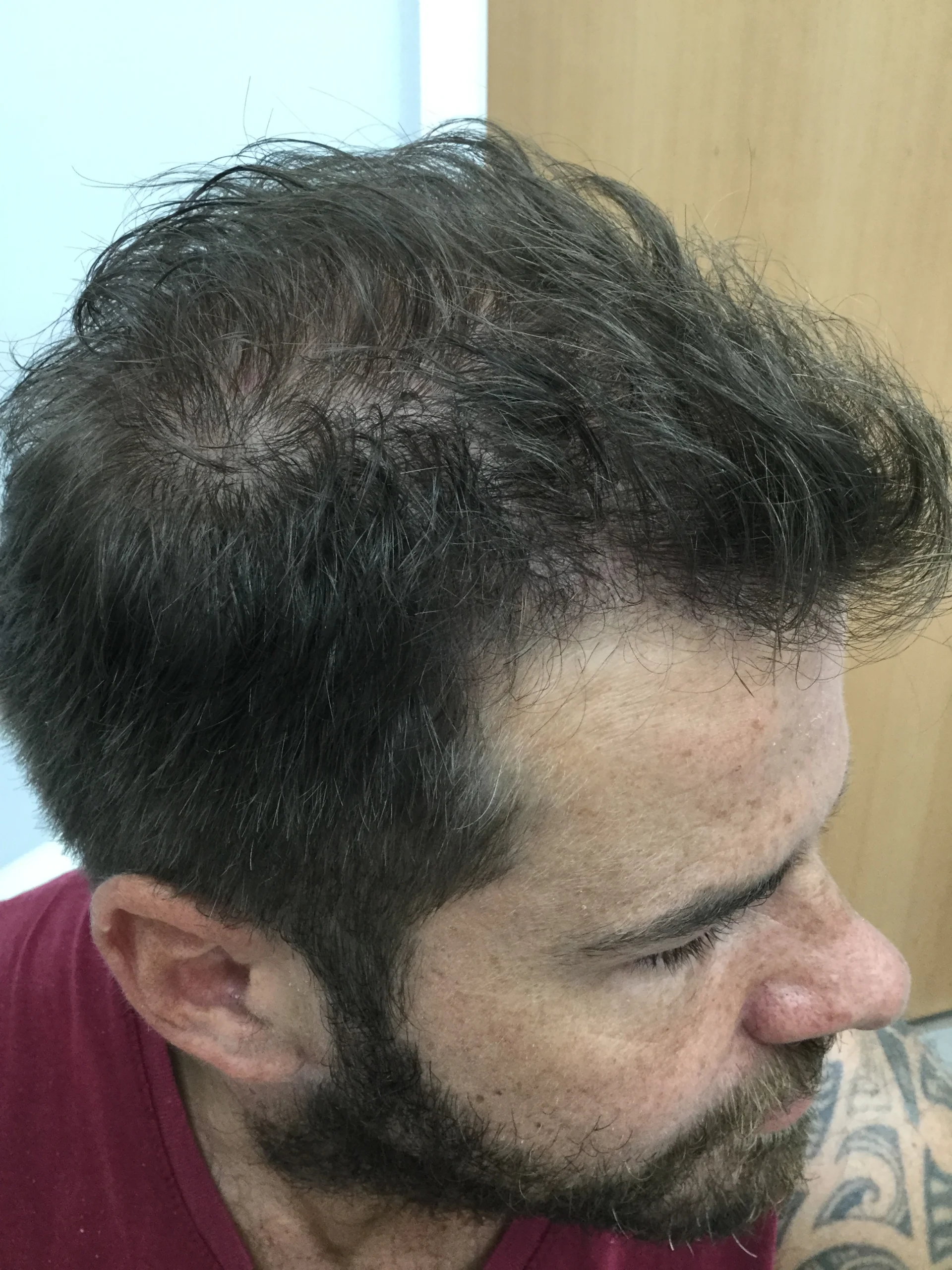
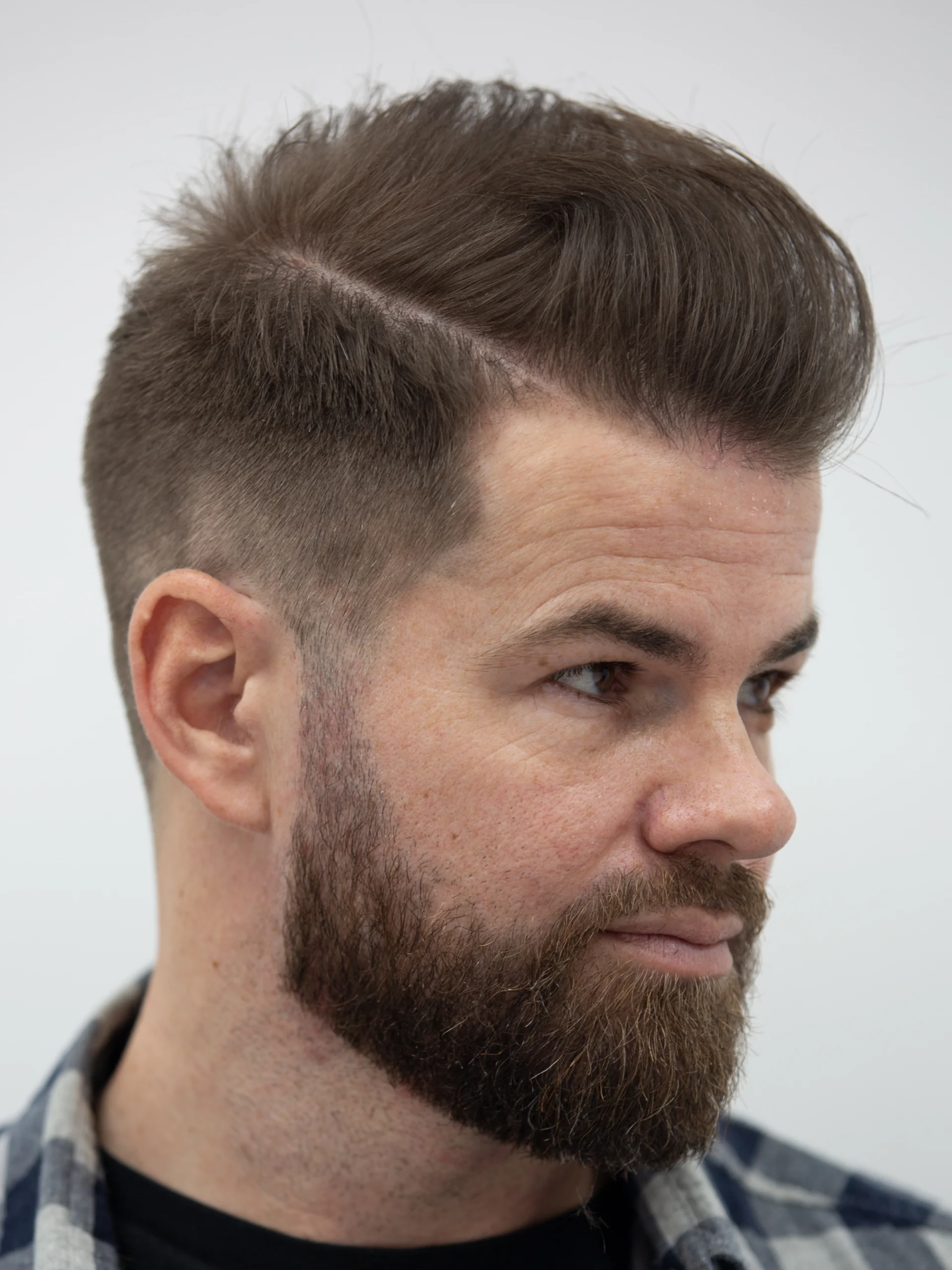
Owen had been losing hair at the front and crown for several years. Rather than one single fix, his plan combined PRP sessions with an FUE hair transplant. It’s a good example of why we look at the whole picture: different treatments do different jobs, and many people get the best result from more than one.
The right treatment depends on your hair loss and goals. Compare medication, PRP, PRF, laser therapy and FUE hair transplants below. Some patients benefit from combining treatments.
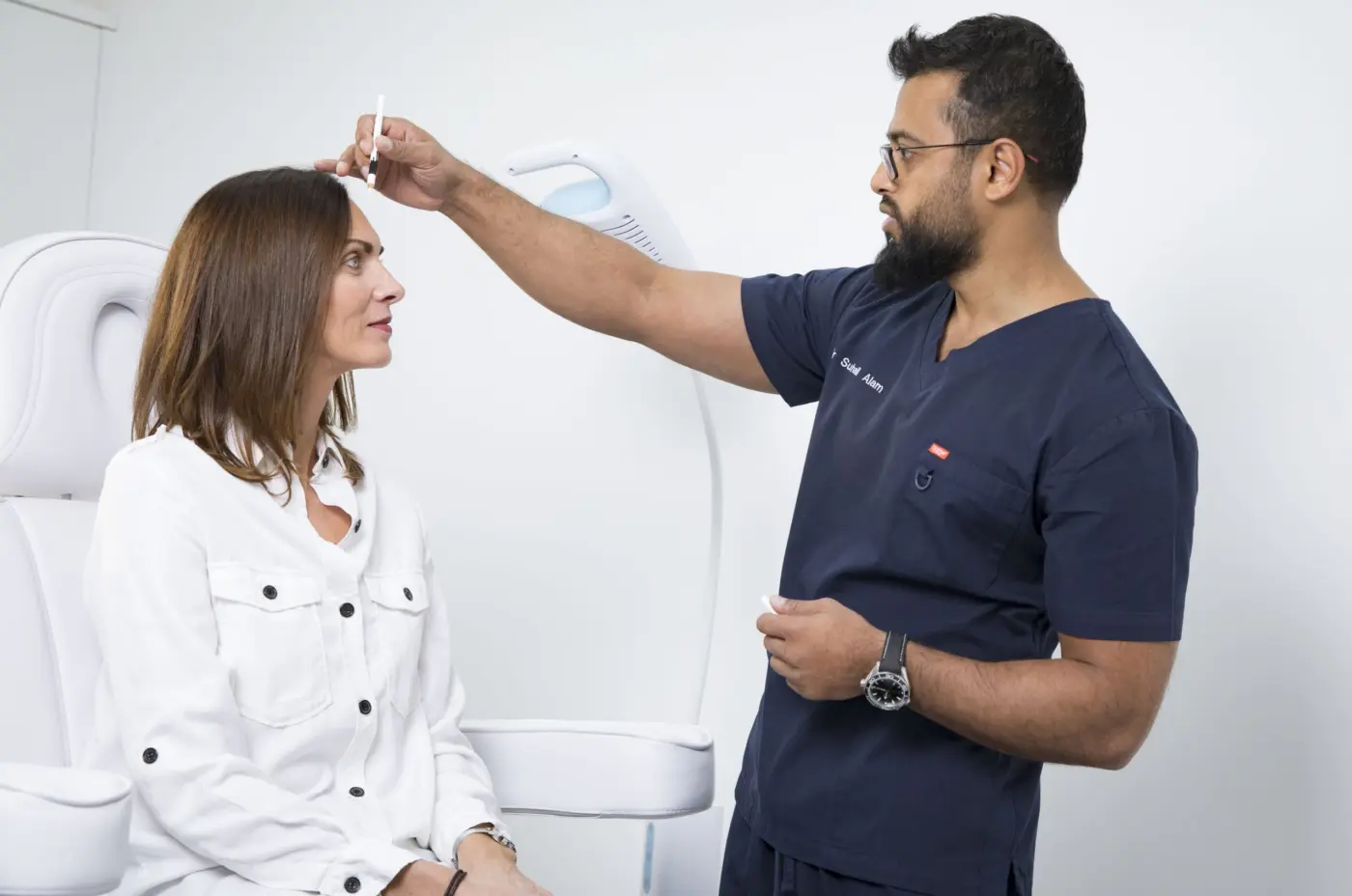
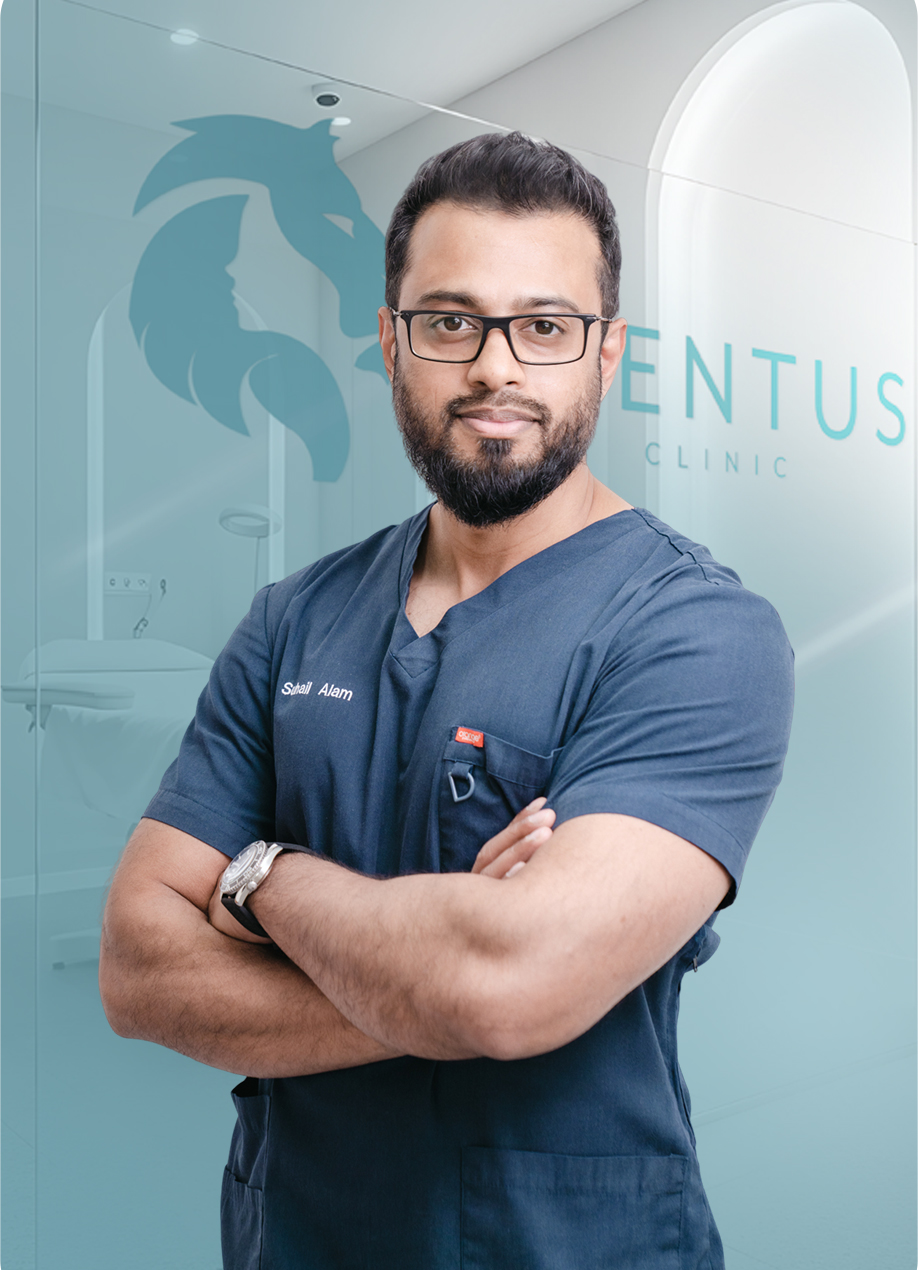
Your consultation with Dr Alam takes place at our CQC-registered clinic in Hitchin. It’s a one-to-one appointment, with time to ask everything you want to know.
Standardised photos so we can measure your progress over time.
You leave with your recommended plan and prices in writing. No pressure to book.
Transplanted hairs often shed during the first few months. This is an expected part of the hair growth cycle, as the follicles remain in place.
Hair growth becomes more visible, with gradual improvements in thickness and coverage.
Your hair loss treatment is monitored over time, allowing our clinical team to assess your progress and recommend changes where needed.
Care Quality Commission
Treatments are carried out by qualified clinicians registered with the GMC, where applicable.
Industry Recognition
Recognised for high standards in hair and skin treatments.
Hair loss can be a sign of an underlying health problem, and some treatments carry side effects that need to be managed. A doctor-led clinic can diagnose the cause, prescribe safely and refer you on if needed.
Assessment with an experienced hair restoration doctor
Personalised recommendations from your doctor
Care from your doctor and clinical team
Ongoing monitoring and guidance from your clinical team
Portmill House, Hitchin SG5 1DJ
01462 512166
Portmill Lane East Car Park is right next to the clinic.
Conveniently located in Hitchin, accessible by car, train or on foot.
A discreet setting to discuss your hair loss and treatment options.
Book a free, no-obligation assessment. We’ll look at your hair, explain what’s likely to be going on and recommend the treatments worth considering.
Answers to common questions about hair loss treatments, available options, procedures, results and costs at our Hitchin clinic.
Can’t see your question? Call 01462 512166 or see all FAQs.
It depends on the treatment you need. PRP starts from £300 per session, PRF from £350 per session and FUE hair transplants from £4,995. Your online assessment is free, and a consultation with Dr Alam at our Hitchin clinic costs £95.

Yes. You send us photos and we’ll give you an initial view of your options at no cost. If you’d like to go further, you’ll book a £95 one-to-one consultation with Dr Alam, where you’ll get a full diagnosis and a personalised plan.
Losing around 50 to 100 hairs a day is normal, and most people don’t notice it happening. Each hair has a natural growth cycle and sheds at the end of it. It’s worth getting checked if you’re shedding noticeably more than usual, finding hair coming out in clumps, or can see more of your scalp than before.
Donor hair is limited, and pattern hair loss usually keeps progressing. If your loss hasn’t settled, a transplant done too soon can leave a gap behind the new hairline as your native hair continues to thin. That’s why we often recommend stabilising your hair with medication or PRP first, then planning surgery once we can see where your hair loss is heading.
We review your progress with standardised photos taken under the same conditions each time, so changes are easy to compare. If your hair isn’t responding as expected, we’ll tell you and adjust your plan. That might mean changing your medication, switching between PRP and PRF, or considering a transplant if non-surgical treatment has gone as far as it can.