



phone

BCC Removal Hitchin, Hertfordshire

Private BCC Removal and Treatment

Fast access to private BCC assessment and removal, with consultant-led diagnosis, surgical excision and histology at our Hitchin clinic.

GMC-registered dermatologists and surgeons
Fast appointments, no long waiting times
Trusted by 5,000+ patients across our clinics
Q logo
CQC
Registered & regulated

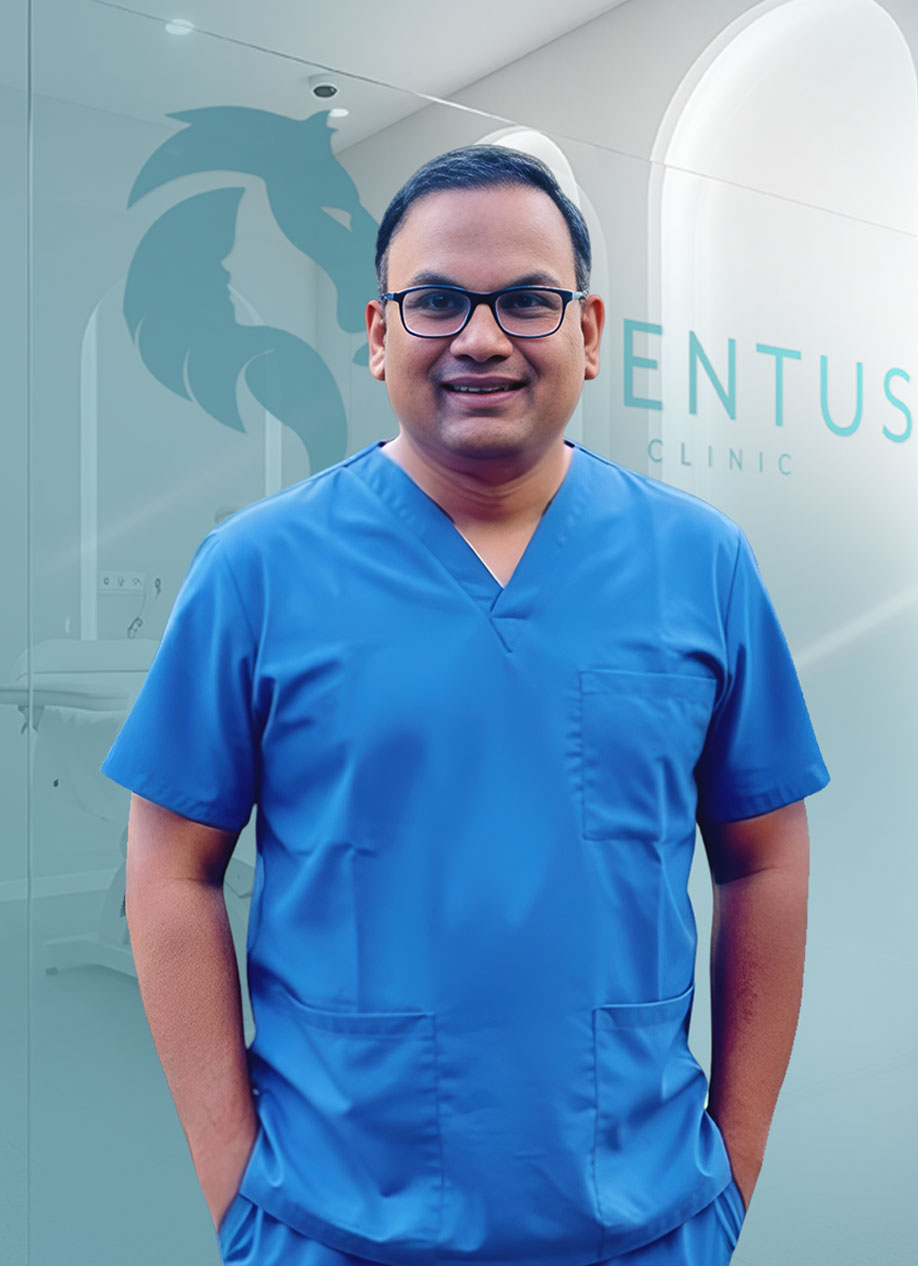
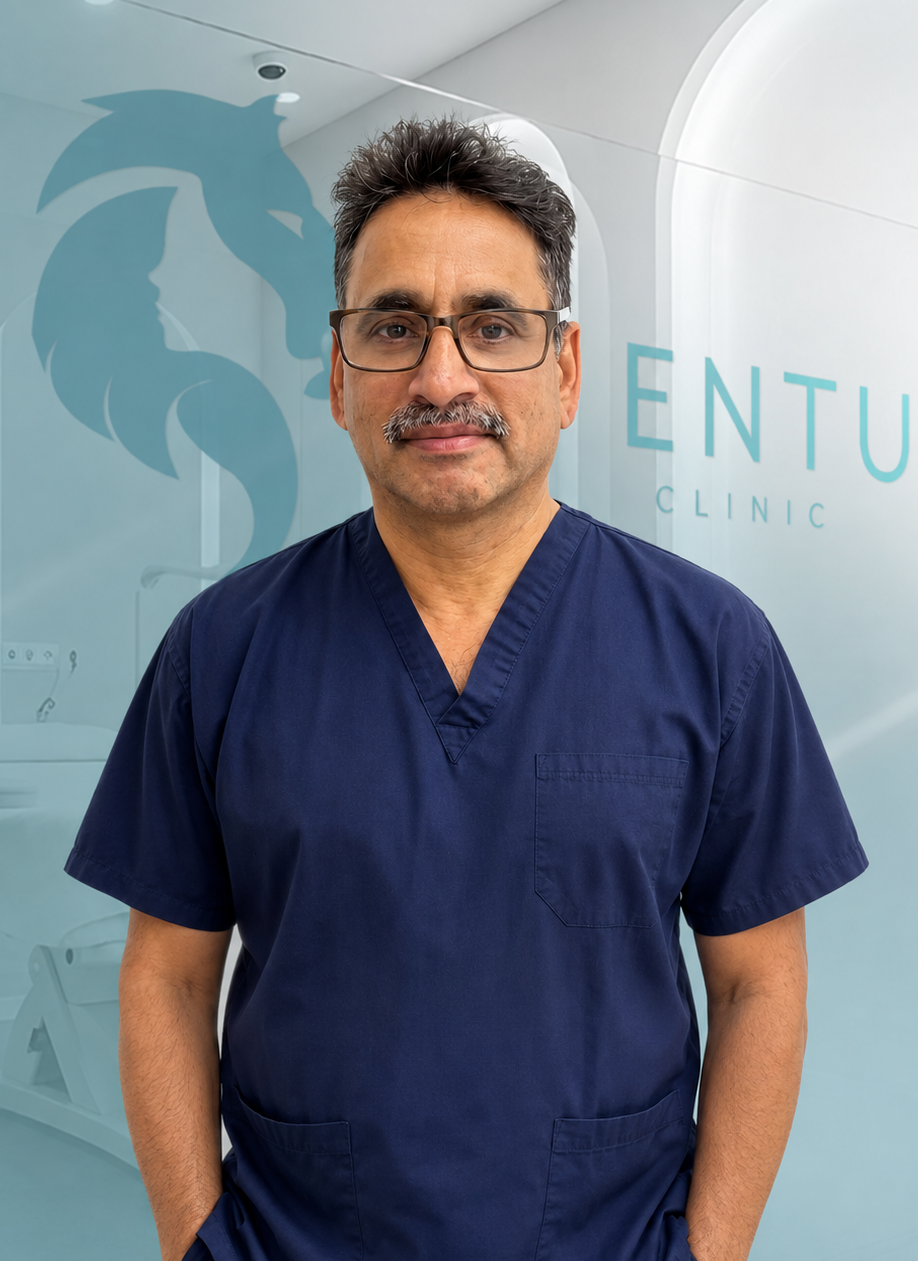
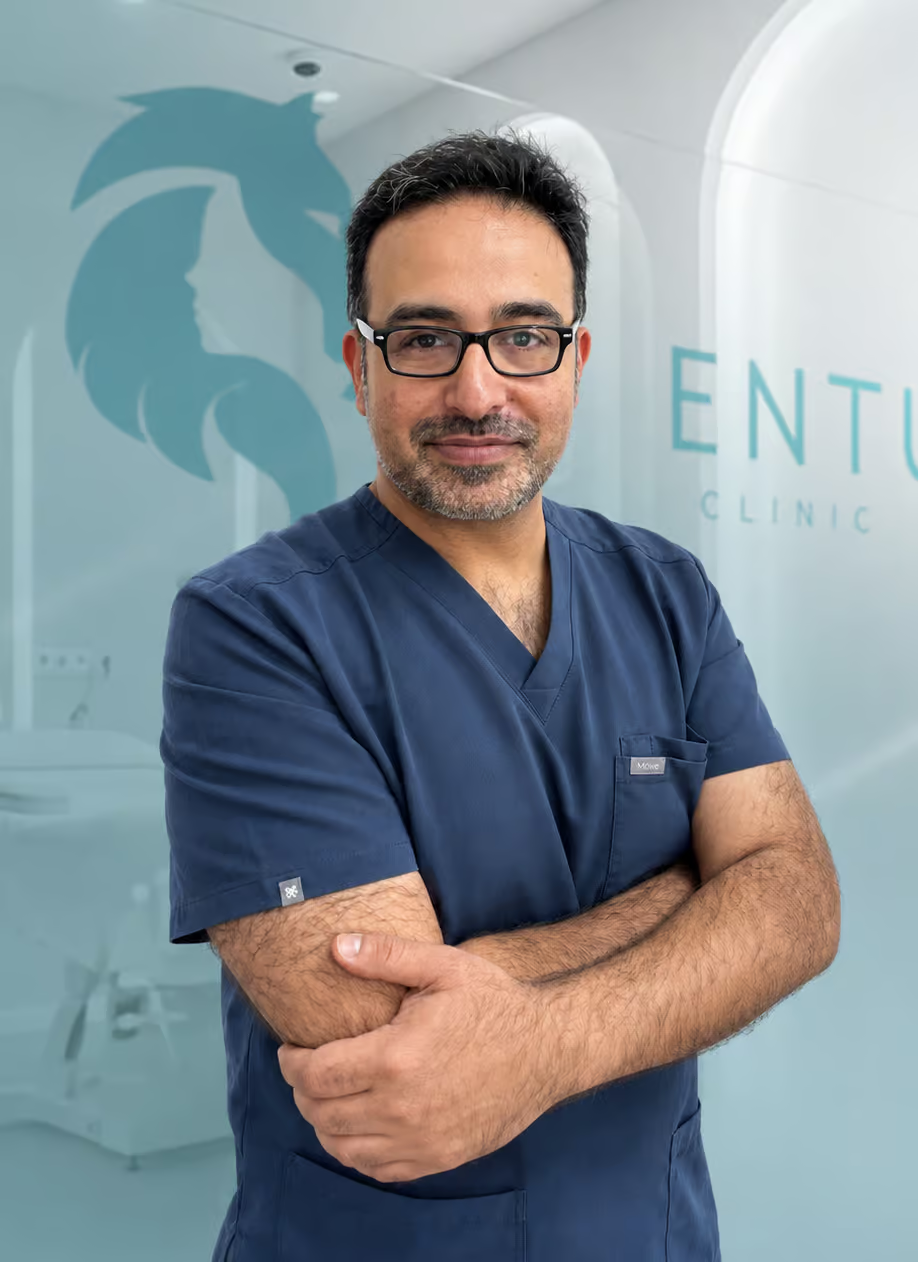
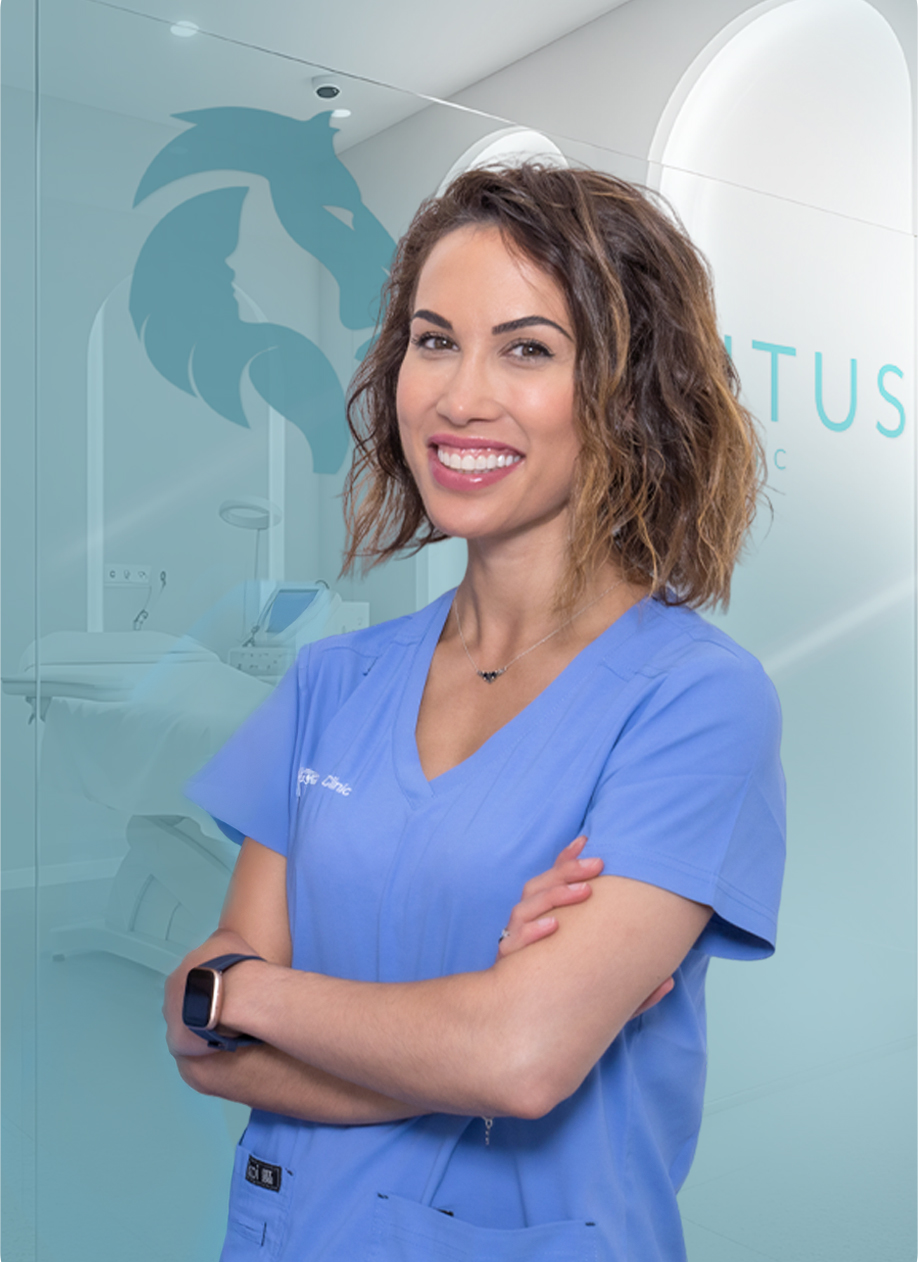
Meet the Aventus team

Who We Are

Specialist BCC diagnosis and treatment clinic

Have you noticed a persistent sore, pearly bump or skin lesion that doesn’t heal?

At Aventus Clinic, we provide consultant-led assessment and treatment for suitable basal cell carcinomas (BCCs). Using clinical examination and dermoscopy, our GMC-registered dermatologists and skin surgery specialists assess suspicious skin lesions and recommend the most appropriate treatment.

BCC is the most common skin cancer in the UK. Although it rarely spreads, it can continue to grow and damage surrounding skin if left untreated. Where suitable for treatment, BCCs can be removed under local anaesthetic at our Hitchin clinic and sent for histological analysis. No GP referral is required, with appointments available for patients across Hertfordshire, Bedfordshire and the surrounding areas.

Consultant-led BCC assessment and diagnosis

Comprehensive assessment of suspicious skin lesions using clinical examination and dermoscopy by experienced skin cancer specialists.

Histology and follow-up care

Removed tissue is examined by a specialist laboratory, with clear results, aftercare advice and guidance on any further treatment if required.

Basal cell carcinoma (BCC) is the most common type of skin cancer in the UK. It typically develops on sun-exposed areas such as the face, scalp, ears and neck. Although BCCs rarely spread to other parts of the body, they can continue to grow and damage surrounding skin and tissue if left untreated, making early diagnosis and treatment important. 

Useful information before your visit

Basal cell carcinomas (BCCs) often develop gradually and can be mistaken for harmless skin changes. A BCC assessment may be appropriate if you have a persistent skin lesion, a sore that does not heal, or a new or changing growth on sun-exposed skin.

Assessment may be particularly important for people with significant sun exposure, fair skin, a history of sunburn, previous skin cancer or a family history of skin cancer. Early assessment can help identify suspicious lesions and determine whether treatment is required.

BCCs can appear in several different ways and often develop on areas regularly exposed to the sun, such as the face, ears, scalp, neck and shoulders.

Common signs include:

  • A pearly, shiny or translucent bump
  • A pink, red or scaly patch of skin
  • A sore that repeatedly bleeds, crusts or fails to heal
  • A lesion with visible blood vessels
  • A scar-like area that slowly enlarges
  • A skin lesion that gradually increases in size over time
  • Any persistent or changing skin lesion should be assessed by a specialist.

Suspected basal cell carcinomas are assessed using a combination of clinical examination and dermoscopy. Dermoscopy allows your clinician to examine structures beneath the skin surface that are not visible to the naked eye, helping identify features associated with BCC.

If a lesion appears suspicious, further investigation may be recommended. This can include a skin biopsy or removal of the lesion, with tissue sent for histological analysis to confirm the diagnosis and guide any further treatment where required.

What To Expect

What if a basal cell carcinoma is suspected?

If a skin lesion appears consistent with a basal cell carcinoma (BCC), we’ll explain our findings and discuss the most appropriate next steps based on your individual assessment.

Dermoscopic assessment

Clinical examination and dermoscopy help assess suspicious lesions and identify features commonly associated with BCC.

Skin biopsy

Where a diagnosis cannot be confirmed clinically, a biopsy may be recommended and sent for histological analysis.

Surgical removal

Suitable BCCs can often be removed under local anaesthetic at our Hitchin clinic.

Histology and follow-up

Removed tissue is sent to a specialist laboratory to confirm the diagnosis and assess complete excision.

Clinical representation only

BCCs can appear as a pearly bump, scaly patch or non-healing sore.

BCC Removal Explained

Your BCC Removal Procedure

From diagnosis through to recovery, our team provides consultant-led treatment and follow-up care for suitable basal cell carcinomas.

Local anaesthetic

Comprehensive head-to-toe skin examinations to assess moles, lesions and other skin changes.

Surgical excision

The BCC is carefully removed together with a small margin of surrounding tissue.

Histological analysis

Removed tissue is examined by a specialist laboratory to confirm the diagnosis and assess complete excision.

Wound closure

The area is closed using appropriate surgical techniques to support healing and achieve the best possible cosmetic outcome.

Aftercare and recovery

You'll receive detailed aftercare advice, wound management guidance and information on expected healing.

Results and follow-up

Once histology results are available, we'll explain the findings and discuss any further treatment or monitoring if required.

Who you'll see

What happens after BCC removal?

Following treatment, we’ll explain your procedure outcome, provide wound care advice and discuss when to expect your histology results.

For many patients, no further treatment is required once the BCC has been successfully removed. Where additional treatment, monitoring or follow-up is recommended, we’ll explain the reasons clearly and create an appropriate management plan.

Throughout your care, you’ll receive clear communication, personalised advice and ongoing support from our clinical team.

How it works

Getting your BCC assessed in 3 simple steps

01

Complete your free online assessment

Upload photographs of your skin lesion using our secure online form. Our clinical team will review your images and advise whether a specialist assessment is recommended.

02

Vsiit our clinic for your BCC assessment appointment

Visit our Hitchin clinic for a detailed examination. Your clinician will assess the lesion using clinical examination and dermoscopy and discuss the findings with you.

03

Receive your diagnosis and treatment plan

We’ll explain whether the lesion is consistent with a BCC and discuss any recommended next steps, including monitoring, biopsy or removal where appropriate.

Trusted by 5,000+ patients across the UK

Concerned about a pearly bump or scaly patch?

Early diagnosis can help prevent further skin damage and support timely treatment. Start with a free online skin assessment and upload photographs for review by our clinical team.

Aventus clinic staff

BCC Removal FAQs

Find answers to common questions about basal cell carcinoma, treatment, recovery and appointments at our Hitchin clinic.

How successful is BCC treatment?

Basal cell carcinoma treatment is highly successful, particularly when diagnosed and treated early. Surgical excision offers very high cure rates for suitable BCCs, and histological analysis helps confirm whether the lesion has been completely removed.

Basal cell carcinomas very rarely spread to other parts of the body. However, if left untreated they can continue to grow locally and damage surrounding skin, cartilage and other underlying tissues. This is why early assessment and treatment are important.

In some cases, histological analysis may show that further treatment is recommended to ensure all cancerous cells have been removed. If this occurs, your clinician will explain the findings and discuss the most appropriate next steps.

Most BCC removals are performed under local anaesthetic and many patients are able to return home afterwards. However, this depends on the treatment area and the extent of the procedure. Your clinician will advise you before treatment.

Most basal cell carcinomas are successfully treated with surgical removal. However, a small number can recur, particularly if the lesion was incompletely removed or located in a higher-risk area. Histological analysis helps confirm whether the BCC has been completely excised.

Basal cell carcinoma is generally considered the least aggressive type of skin cancer and rarely spreads to other parts of the body. However, it should not be ignored. If left untreated, a BCC can continue to grow and cause damage to the surrounding skin and underlying tissue.

The main cause of BCC is cumulative exposure to ultraviolet (UV) radiation from sunlight and sunbeds. Risk factors include fair skin, a history of sunburn, increasing age and significant long-term sun exposure.

Many BCC removals require stitches to close the wound after surgical excision. The type of closure depends on the size, depth and location of the lesion. Your clinician will explain what to expect before treatment.