



Home › Skin Lesions Removal › Actinic Keratosis Treatment
Consultant-led actinic keratosis removal in Hitchin, Hertfordshire, with fast access to specialist assessment and personalised treatment.
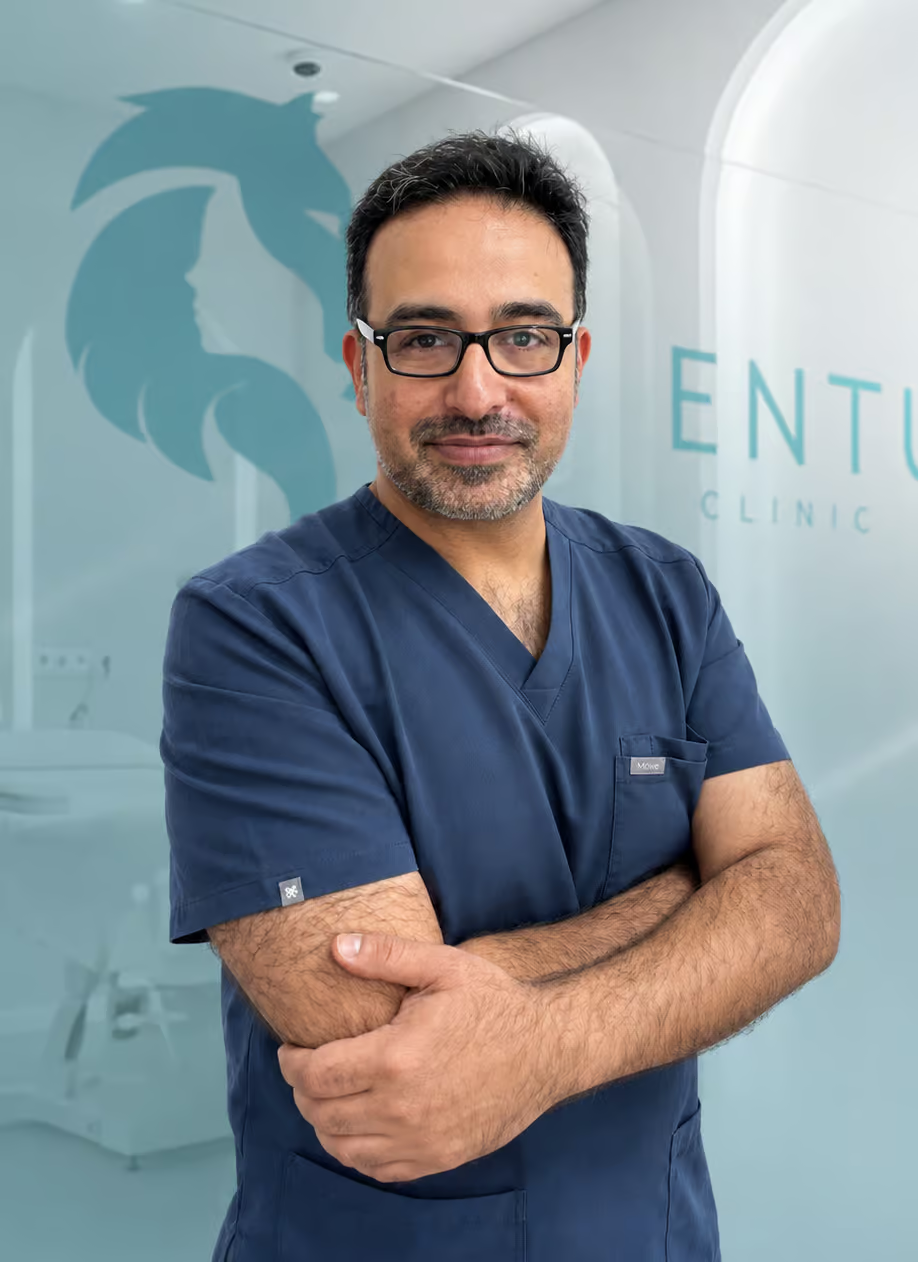
Meet the Aventus team
At Aventus Clinic, we provide private actinic keratosis diagnosis and treatment carried out by GMC-registered dermatologists and skin specialists. Using advanced dermoscopy and clinical examination, we assess rough, scaly patches of sun-damaged skin and precancerous skin lesions to confirm the diagnosis and recommend the most appropriate treatment.
Actinic keratosis (solar keratosis) is a common sign of chronic sun damage and can increase the risk of developing squamous cell carcinoma (SCC). Our specialists provide professional assessment, treatment and monitoring advice, with fast access to appointments for patients across Hertfordshire, Bedfordshire and the surrounding areas.
Advanced dermoscopy helps assess rough, scaly patches and areas of sun-damaged skin.
Fast access to specialist care without lengthy waiting times.
Actinic keratosis is a common precancerous skin condition caused by long-term sun exposure. It is most common in adults over 50, with more than 23% of people aged 60 and over in the UK estimated to have at least one lesion. These rough, scaly patches can persist for years and, while many remain stable, some can develop into squamous cell carcinoma (SCC). Early assessment can help confirm the diagnosis and determine whether treatment is recommended.
If possible, avoid applying heavy make-up, moisturisers or other skincare products to the area being assessed on the day of your appointment. It can also be helpful to bring details of any previous skin treatments, skin cancer diagnoses or medications you are currently taking.
Please bring details of any relevant medical history, current medications and previous skin treatments where applicable. If you have noticed changes in a skin lesion over time, photographs can also be helpful during your consultation.
Yes. Where clinically appropriate, assessment, biopsy, treatment and follow-up care can often be arranged through the same consultant-led clinic, helping provide a clear and streamlined patient journey. Aventus Clinic offers specialist diagnosis, treatment and minor skin surgery for a wide range of skin lesions and conditions.
If actinic keratosis is diagnosed, we’ll explain the findings, assess the extent of any sun-damaged skin and discuss the most appropriate next steps based on your individual assessment.
Some actinic keratoses can be safely monitored over time to assess for any changes in appearance or symptoms.
Treatment may be recommended based on the size, location and characteristics of the lesion, as well as your individual risk factors.
Additional investigation may be recommended if the diagnosis is uncertain or the lesion has features requiring closer assessment.
We'll provide clear advice and create a personalised plan tailored to your diagnosis, skin health and treatment goals.
Actinic keratosis may appear red, pink, skin-coloured or hyperkeratotic.
Actinic keratosis can present in different ways and may not always have the same appearance. These precancerous skin lesions are caused by sun damage and, in some cases, can progress to Squamous Cell Carcinoma (SCC) if left untreated, which is why assessment is important.
Actinic keratosis often feels rough or sandpaper-like and may be more noticeable by touch than appearance.
Lesions can vary in colour and may appear red, pink, brown or similar to the surrounding skin.
The affected area may repeatedly flake, scale or develop a persistent crust despite the use of moisturisers.
Some actinic keratoses become sore, sensitive, itchy or uncomfortable, particularly when rubbed or exposed to sunlight.
Patches that remain present for weeks or months without resolving should be assessed by a clinician.
Actinic keratoses most commonly develop on the face, scalp, ears, forearms and backs of the hands due to long-term sun exposure.
After your treatment, we’ll provide personalised aftercare guidance and explain what to expect during the healing process. Any follow-up appointments will be arranged as needed, and you’ll have the opportunity to discuss any questions or concerns with your specialist.
If a biopsy or histological analysis has been performed, we’ll review the results with you once available and explain any recommendations for further treatment, monitoring or ongoing skin surveillance.
For many patients, treatment is completed in a single visit. However, those with extensive sun damage, recurrent actinic keratoses or a history of precancerous skin changes may benefit from periodic skin assessments to help monitor their skin health over time.
Upload photographs of the affected area using our secure form. We’ll review your information and advise whether a specialist appointment is recommended.
Your clinician will assess the lesion, use dermoscopy where appropriate and discuss their findings, diagnosis and treatment options with you.
We’ll explain the outcome of your assessment and recommend the most appropriate next steps, which may include monitoring, biopsy or treatment.
Our GMC-registered dermatologists and skin surgeons provide consultant-led assessment, diagnosis and treatment for actinic keratosis, sun-damaged skin and other suspicious skin lesions.
Upload photographs from the comfort of your home. Our specialists will review your skin concern and advise whether further assessment or treatment may be beneficial.
Find answers to common questions about actinic keratosis, including diagnosis, treatment and long-term skin monitoring.
Most patients are able to return to normal daily activities shortly after treatment. However, specific advice may vary depending on the treatment performed and the location of the lesion. Your clinician will explain any temporary restrictions during your appointment.
Protecting your skin from further ultraviolet (UV) exposure is important. This may include using broad-spectrum sunscreen, wearing protective clothing and avoiding excessive sun exposure, particularly during periods of strong sunlight.
Yes. Actinic keratosis becomes more common with age and is most frequently diagnosed in adults over 50. The risk increases with cumulative sun exposure over many years.
Yes. Actinic keratosis commonly develops on the scalp, particularly in individuals with thinning hair or baldness. The face, ears, scalp, forearms and backs of the hands are among the most frequently affected areas.
This depends on the reason for your appointment and the findings during assessment. If appropriate, your clinician may recommend examination of additional areas of sun-damaged skin or other concerning lesions.
No. Many cases of actinic keratosis can be diagnosed clinically. However, a biopsy may be recommended where the diagnosis is unclear or if there is concern that the lesion may represent a more advanced skin condition.
In many cases, treatment recommendations can be discussed during the same consultation. If a biopsy or histological analysis is required, your final treatment plan may be confirmed once those results are available.
Yes. Patients can access consultant-led assessment and treatment directly through Aventus Clinic without needing a GP referral.