


phone
TP Logo

Beard Transplant Hertfordshire UK

Get fuller, thicker beard

Doctor-led FUE beard transplant surgery in the UK.


Specialist FUE Beard Transplant Clinic

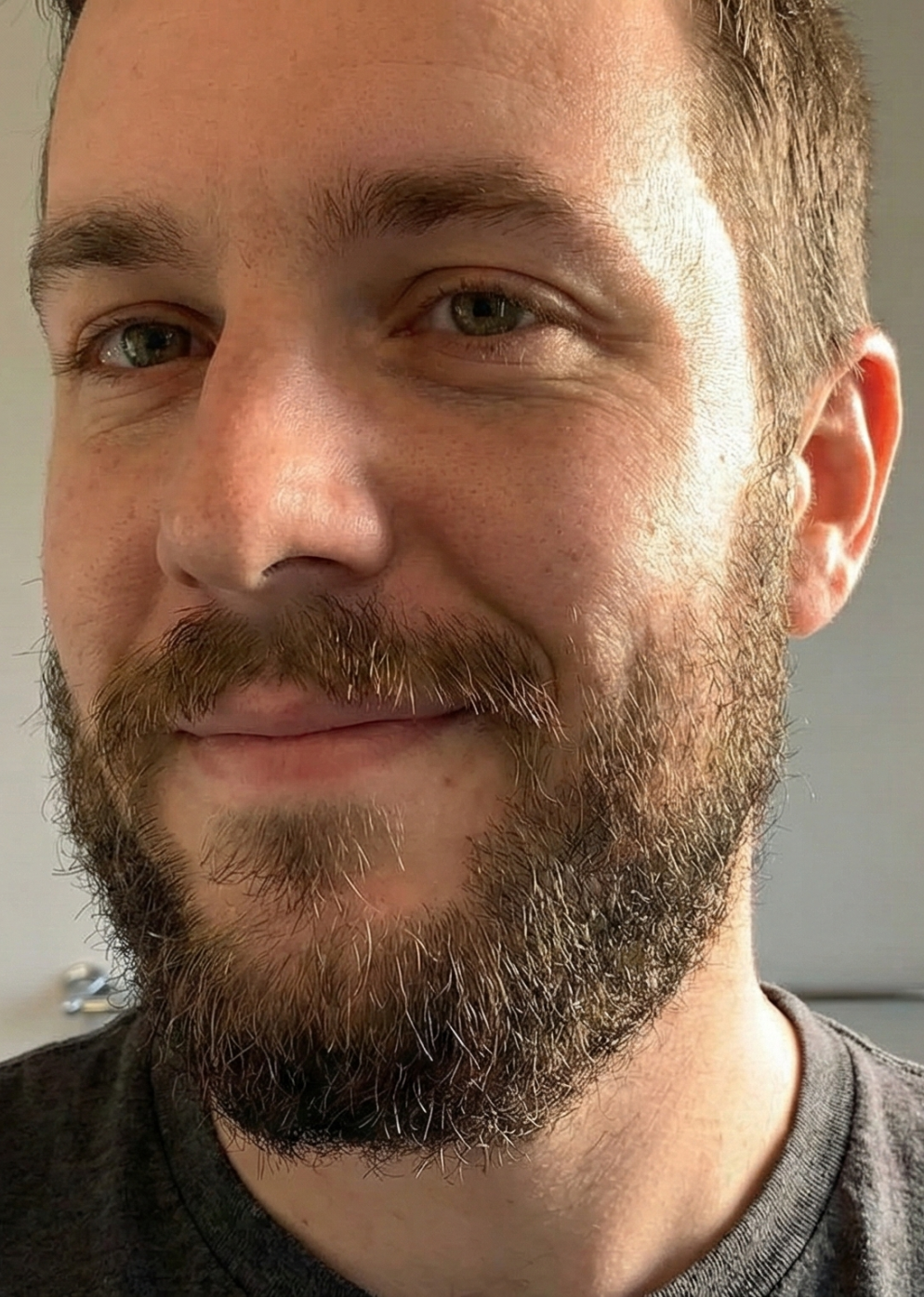
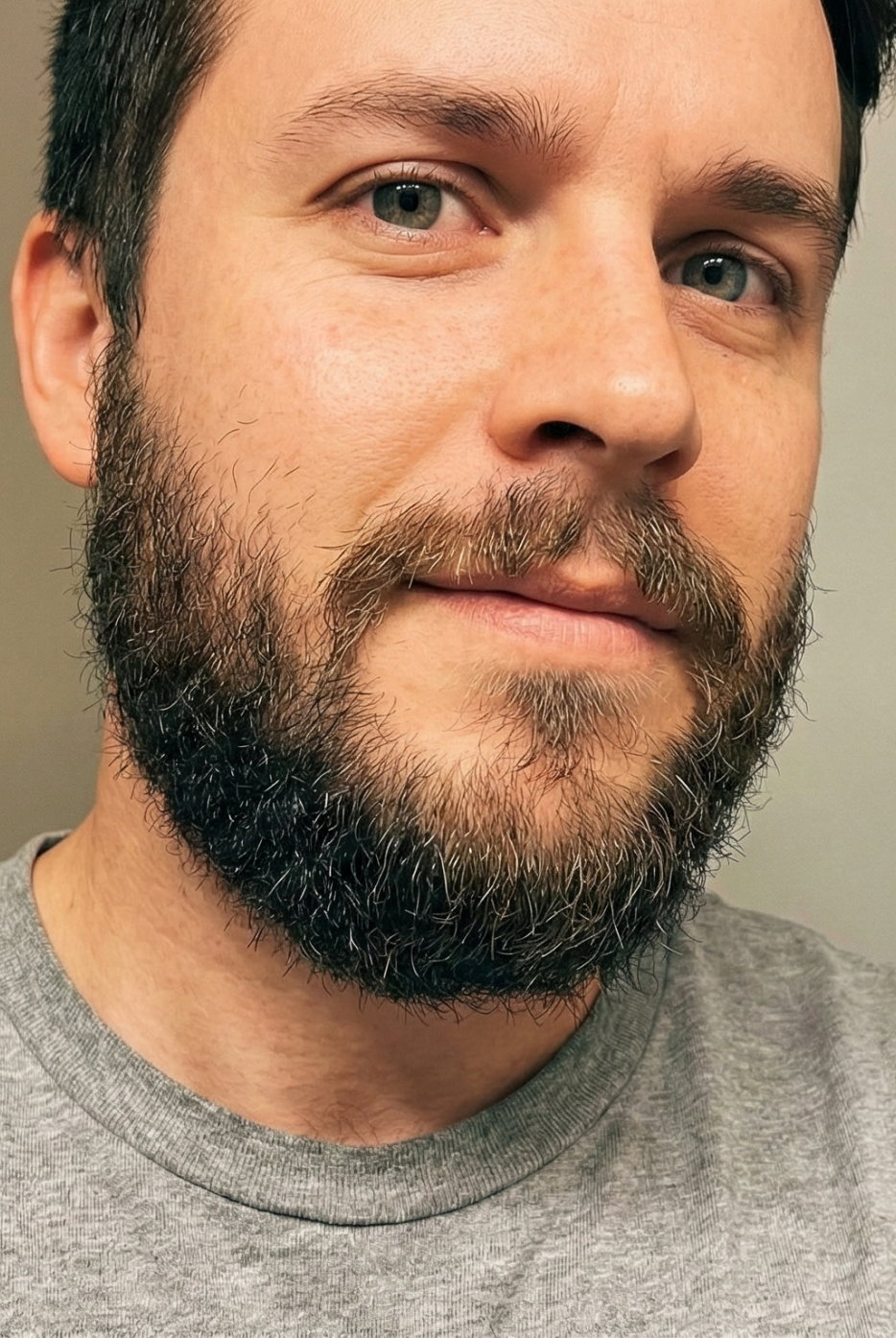
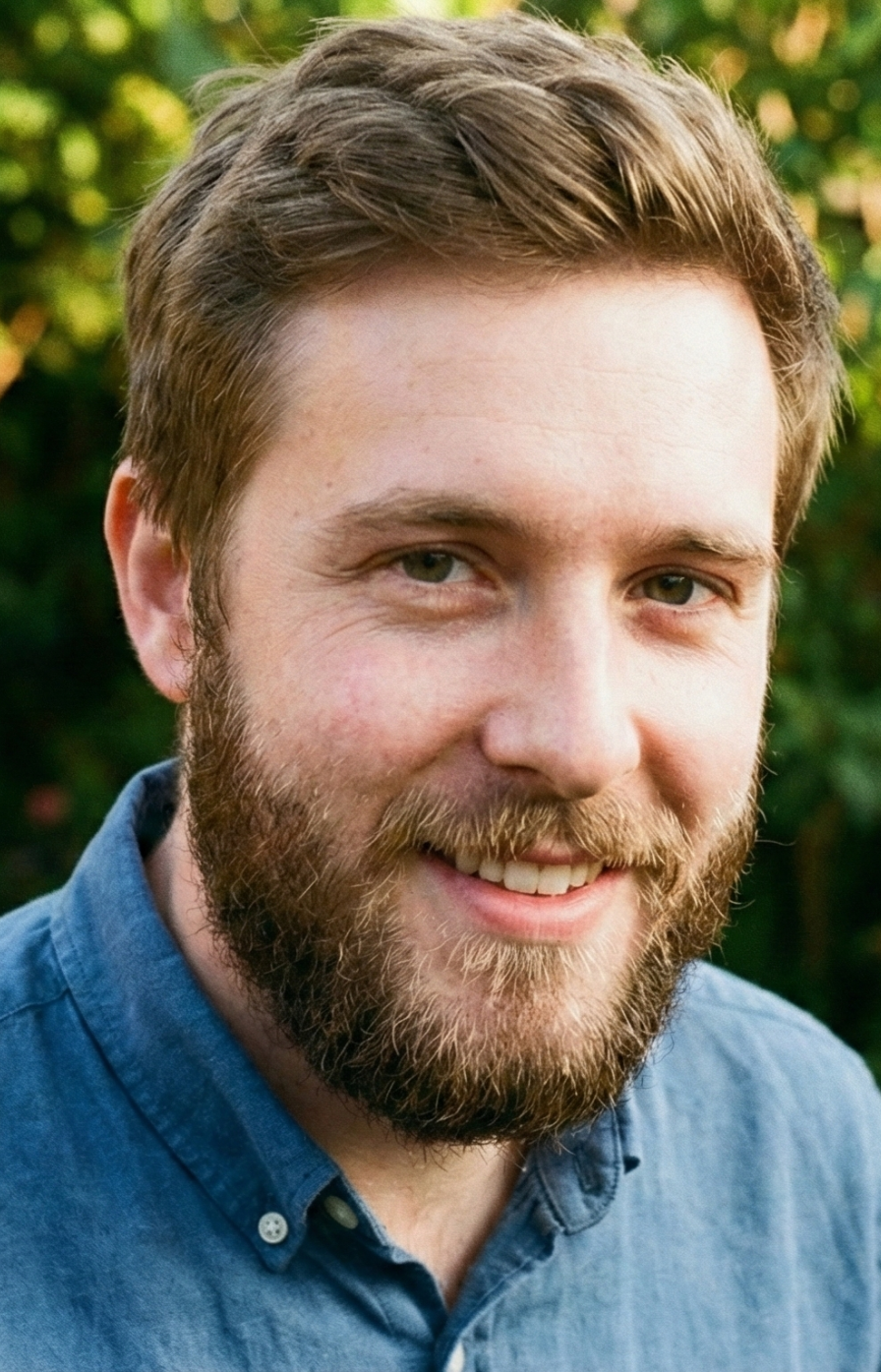
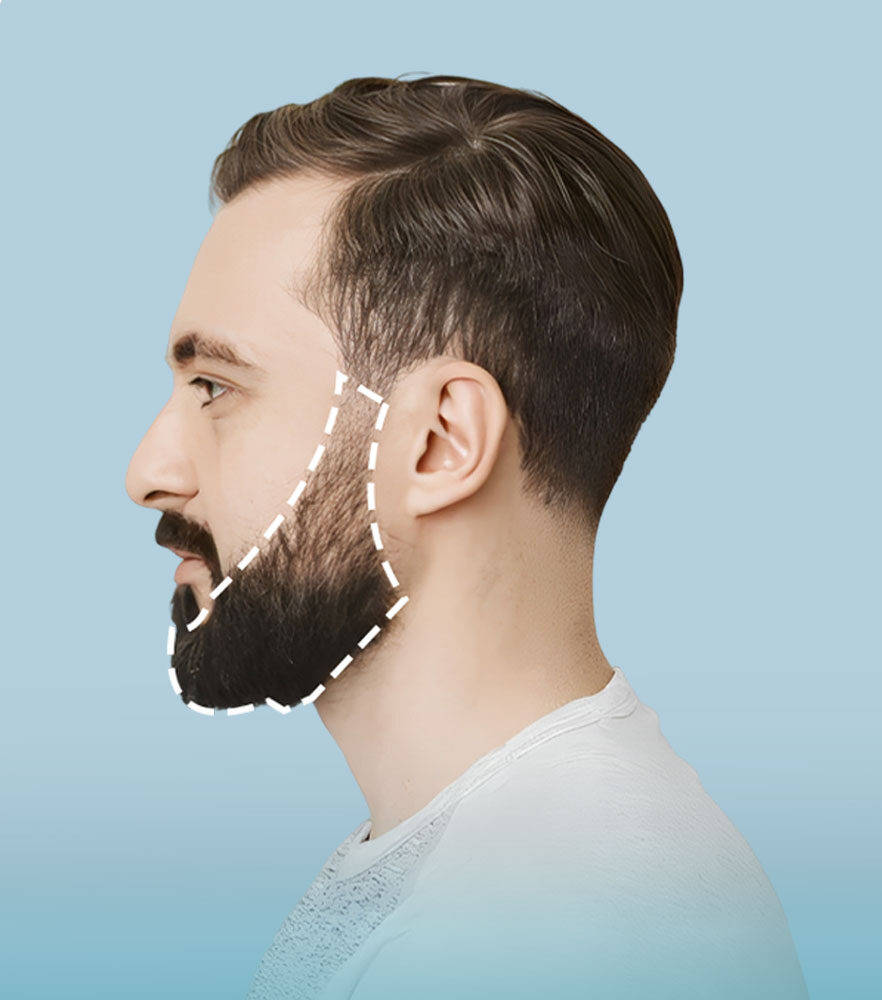
Transform your facial hair with precision FUE beard transplant surgery at our doctor-led clinic across the UK. Using advanced follicular extraction techniques, our specialists carefully transplant each hair to blend seamlessly with your natural beard, creating fuller, well-defined facial hair that lasts.

Every procedure begins with a one-to-one consultation. Our specialists assess your existing facial hair, donor hair quality, and desired style to create a customised treatment plan. Each follicle is implanted with precision to follow your natural growth pattern, ensuring a realistic and aesthetically pleasing finish that enhances your facial features.

Performed under local anaesthetic, FUE is minimally invasive and avoids the need for hospital stays. Most patients resume normal activities within a week. The transplanted follicles establish naturally, producing robust, permanent hair growth over the following months.

Beard transplants start from £2,500, with clear, upfront pricing and no hidden fees. Our dedicated aftercare team guides you through recovery, monitoring your progress to ensure optimal results and a natural, full beard.

What to Expect From Your Beard Transplant Appointment

Your treatment is a safe, minimally invasive FUE procedure designed to create a natural, fuller beard.

Your Initial Consultation

Before the transplant, one of our specialists will examine your facial hair, donor site, and overall health to design a personalised plan. This ensures your beard grows in a natural pattern, with the shape, density, and direction tailored to your face.

Your Treatment Session

On the day, local anaesthetic is applied for comfort. Using precise FUE techniques, individual hair follicles are carefully extracted from the donor area (usually the back or sides of the scalp) and implanted into the beard.

Follow Up & Aftercare

After treatment, you’ll receive detailed aftercare guidance. Mild redness, swelling, or scabbing may occur initially but typically subsides within days. Most patients return to normal activities within a week, and our team remains available for follow-up support.

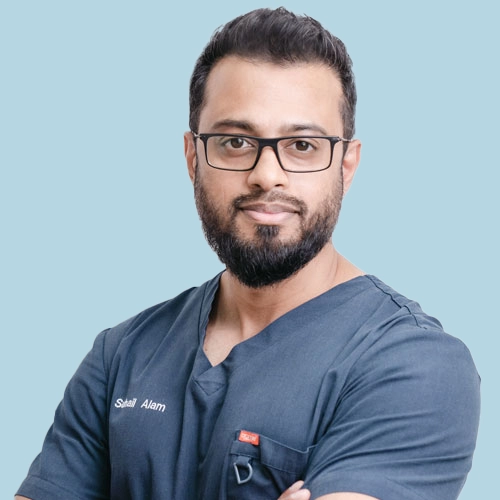
Meet Dr. Suhail Alam, Hair Transplant Surgeon & Medical Director

Medical Director of Aventus Clinic, Dr. Alam is an award-winning specialist with extensive experience performing precise FUE beard transplants.

Dr.Alam

Medical Director

 
Our Mission

“To make expert medical care accessible, reassuring, and life changing for every patient we serve.”

Professional memberships

Award Winning Clinic

Voted Specialist Hair & Skin Clinic of the Year

CQC Registered & Rated Good

Independent quality inspection

Our Mission

“To make expert medical care accessible, reassuring, and life changing for every patient we serve.”

Professional memberships

6,500+​

Life changing treatments successfully delivered with care.


Are you suffering with patchy facial hair? Low facial hair density can be a result of genetics or facial scars. With the advancements in Follicular Unit Extraction (FUE) technology, enhancing your beard has never been more possible. This technique allows for the precise transplantation of hair follicles from the scalp to the beard area, seamlessly integrating with your existing facial hair to create a natural and fuller look.


Follicular Unit Extraction (FUE) is a sophisticated technique designed for the precise removal and transplantation of hair follicles from one area of the body to another, ideal for those seeking a facial hair transplant. This beard transplant process is especially beneficial for enhancing the density of facial hair, addressing areas of sparse facial hair, and cultivating a healthy beard. The process begins with the careful selection of a donor site, typically areas with abundant, healthy hair follicles such as the lower back of the scalp or the sides of the head.

During hair transplant surgery, the designated donor site is prepared by shaving, followed by the meticulous extraction of individual hair follicles using a specialised surgical tool known as a micro punch. To ensure patient comfort, a local anaesthetic is administered, minimising discomfort during the extraction phase.

The core of the procedure lies in the precise transplantation of these healthy hair follicles into the targeted facial areas. Small incisions are made to accommodate the insertion of the follicles, which are then positioned to blend seamlessly with existing facial hair, promoting the growth of new, robust strands. Over time, these transplanted follicles will establish themselves in their new location, contributing to a fuller, more defined beard.


Identifying suitable candidates for beard transplant surgery involves evaluating facial hair’s current state and donor site hair quality. Candidates often include those with sparse or uneven beard growth due to genetics, medical conditions, or scarring. Beard transplant surgery aims to enhance beard fullness and stimulate new growth, suitable for those with patchy areas or individuals, including transgender men, looking to grow facial hair for the first time.

Success depends on a sufficient amount of healthy donor hair. For those considering this option, consulting with a specialist is crucial to assess eligibility and tailor the treatment for optimal results.

Before opting for a beard transplant, it’s crucial to have a comprehensive consultation with a specialist in hair restoration. This step is vital to ensure you fully understand the procedure and its implications.

During this consultation, the surgeon will carefully examine your facial hair and skin, review your health history, and discuss your aesthetic goals. This in-depth evaluation allows the surgeon to formulate a customised treatment plan that aligns with your specific desires for beard density and shape. Tailoring the approach in this manner ensures the results not only look natural but also meet your expectations, setting a clear path toward achieving the fuller, more defined beard you’re aiming for.

Dr Alam

Every patient deserves care that feels personal.

At Aventus Clinic, our focus is always on you. Your goals, your comfort, and your safety. Every treatment plan is designed with precision and compassion, so you can feel confident in both your results and your journey with us.

RECOVERY

Your FUE Beard Transplant Timeline

Here’s what to expect in the weeks and months following a FUE beard transplant:

1 Week

In the first few days after the procedure, small scabs and crusts may form around the transplanted follicles. You may experience some redness, swelling, itchiness, or mild soreness. Over-the-counter pain relief can be used if necessary.

1 Week

2 Weeks

By the second week, most swelling and redness will have reduced, though some mild irritation may remain. Some of the transplanted hairs may shed naturally, which is a normal part of the growth cycle. New follicles are beginning to form beneath the skin.

2 Weeks

1–4 Months

The donor area will have healed, with any small scars becoming less noticeable. The recipient area may still look patchy as new hairs grow at different rates. Gradually, the beard starts filling in and becoming more even.

1–4 Months

6 Months

At around six months, the transplanted hairs thicken, and the beard begins to appear fuller and more uniform. Growth continues steadily, improving overall coverage.

6 Months

9-12 Months

During this period, your beard grows longer, stronger, and darker. The transplanted hairs continue to blend naturally with your existing facial hair, giving a well-defined and natural look.

9-12 Months

12-18 Months

The beard reaches full maturity, with maximum thickness, length, and density. The final results reveal a natural, permanent beard that complements your facial features.

12-18 Months

Beard Treatment Options

At Aventus Clinic, we specialise in a range of non-surgical hair loss treatments, including Platelet-Rich Plasma (PRP) therapy, laser light therapy, and medication, all designed to enhance follicle vitality and encourage your hair’s natural regrowth.

If you are not ready for a beard transplant but you are experiencing thinning on your beard, we have a range of other non-surgical options available to help you achieve your goal.

Treatment Options

What Other Beard Treatments Do We Offer at Our Clinic?

Your beard may require a combination of treatments depending on hair density, growth patterns, and desired style. Our specialists will assess your facial hair and recommend the most suitable option.

PRP Therapy

Stimulate hair follicles naturally with our advanced Platelet-Rich Plasma (PRP) treatments for lasting beard density.

Laser Light Therapy

Revitalise your beard with non-invasive laser light therapy to encourage growth and strengthen existing hair.

Medication

Achieve a thicker, more defined beard with our medically approved hair growth solutions.

Have any question?

Frequently Asked Questions

Patients can resume most of their daily activities, such as driving, after one day has passed since their beard transplant. However, there are some important aftercare instructions that you must observe in the weeks following your surgery to ensure that your new beard grows healthily.

For example, patients must avoid touching or washing their beard for five days after the procedure. Small crusts will appear around the transplanted follicles at this time, and patients must resist the urge to wash or scratch these off: they are a natural part of the body’s healing process. Additionally, it is important that patients avoid vigorous exercise, saunas and hot tubs for two weeks after the transplant, as sweat can disrupt the growth of the transplanted hair follicles and exacerbate itchiness. A full aftercare package will be provided to you, including all the information you need to properly heal your new transplant. 

You will begin to see the growth of new, natural hair after approximately four to six months have passed since the beard transplant was conducted. The final results of the treatment will be visible after one year has passed.

A local anaesthetic is used during the hair transplant procedure.

FUE beard transplants create circular scars around the hair follicles that were harvested from the donor site. These scars are very small (typically, they are no larger than 1 mm in diameter). Although the scars may fade with time, they do not disappear completely. However, they can be concealed easily with the surrounding hair, rendering them essentially invisible.

A beard transplant can cause discomfort or pain. A local anaesthetic is used during the procedure to reduce this as much as possible.

Patients will experience some scabbing and crustiness in the areas where the hair follicles were inserted for roughly two weeks after the surgery. After this time, the scabs will drop off.

Additionally, some itchiness, swelling and redness will occur within the first one to two weeks after the transplant. This is sometimes accompanied by feelings of tightness or numbness. However, these symptoms will disappear with time.

The price of beard implants depends on the number of hair follicles that are required to be transplanted to cover the area suffering from hair loss. The average price of a beard transplant in the UK is £3000-£7000.

Beard hair transplants can be booked via filling out our free assessment form. Before any hair transplant treatment we will have an in depth conversation with you to discuss your unique situation.