






Scalp bumps are typically benign cysts, inflamed follicles, or minor injuries that pose no serious health risk. Monitoring size, texture, and symptoms helps determine when professional evaluation becomes necessary.
A bump on head under hair can feel alarming, but the reality is reassuring. The vast majority of scalp lumps are benign and common, typically caused by cysts, inflamed hair follicles, or minor injury you may not remember. Let us helps you identify what signs to look for and when to seek medical advice rather than worrying unnecessarily.
Remember that informational content never replaces proper medical evaluation when you have genuine concerns.
Key Takeaways
- Many scalp bumps are benign conditions such as pilar cysts, epidermoid cysts, inflamed follicles, lipomas, or minor trauma swellings.
- Epidermoid cysts are keratin-filled nodules that usually grow slowly, remain harmless for years, but need monitoring for unusual changes.
- Self-treatment by squeezing or popping scalp bumps increases infection and recurrence risk, whereas professional removal ensures safer treatment and lower complication rates.
Table of Contents
What is a bump on the head under hair?
A bump under the hair refers to any lump, swelling, or raised area felt on the scalp, which may arise from the skin, soft tissue, or occasionally deeper structures.
Many people do not notice these bumps early because hair conceals small changes until they grow, become tender, or are felt while washing or combing.
The majority of scalp lumps are benign and develop slowly, often linked to blocked follicles, small cysts, or mild inflammatory conditions rather than serious disease.
Scalp bumps can originate from the skin itself (such as cysts or inflamed follicles), soft-tissue structures like fatty growths, or rarely underlying bone changes.
Because growth is usually gradual and painless, they may remain unnoticed for months.
If you are unsure about a new or changing lump, we can assess it, at Aventus clinic, during a scalp health consultation for hair and skin conditions, ensuring accurate diagnosis and appropriate guidance.
Common causes of red or hard bumps on the scalp
Red or hard bumps on the scalp can develop for several reasons, ranging from harmless cysts and follicle irritation to less common infections or structural growths. The texture, speed of growth, tenderness, and mobility of the lump often provide useful clues about the underlying cause.
Benign and common causes
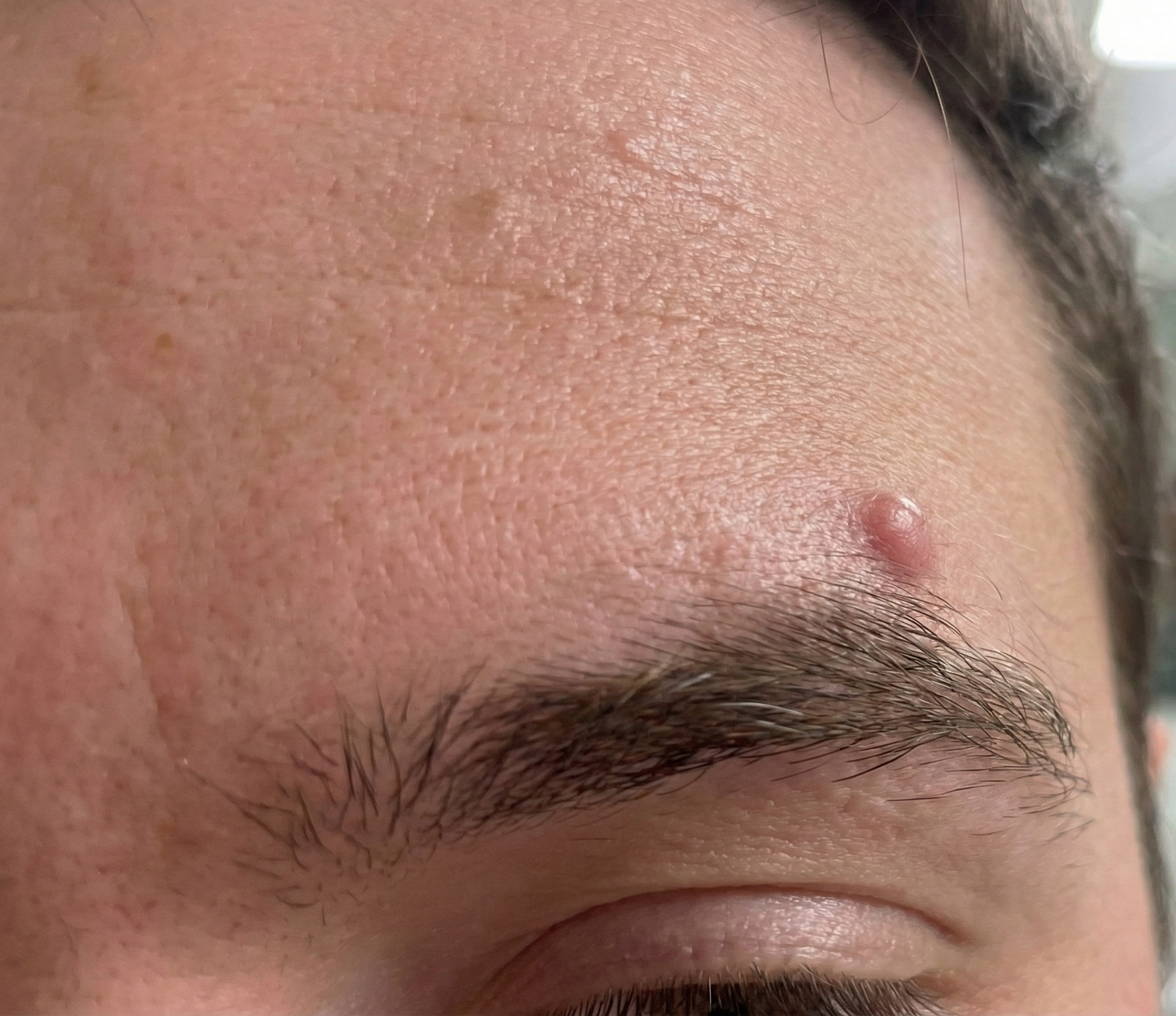
- Benign scalp lumps are non-cancerous growths that usually enlarge gradually, remain localised, and rarely cause serious health concerns. Many everyday scalp bumps fall into this category.
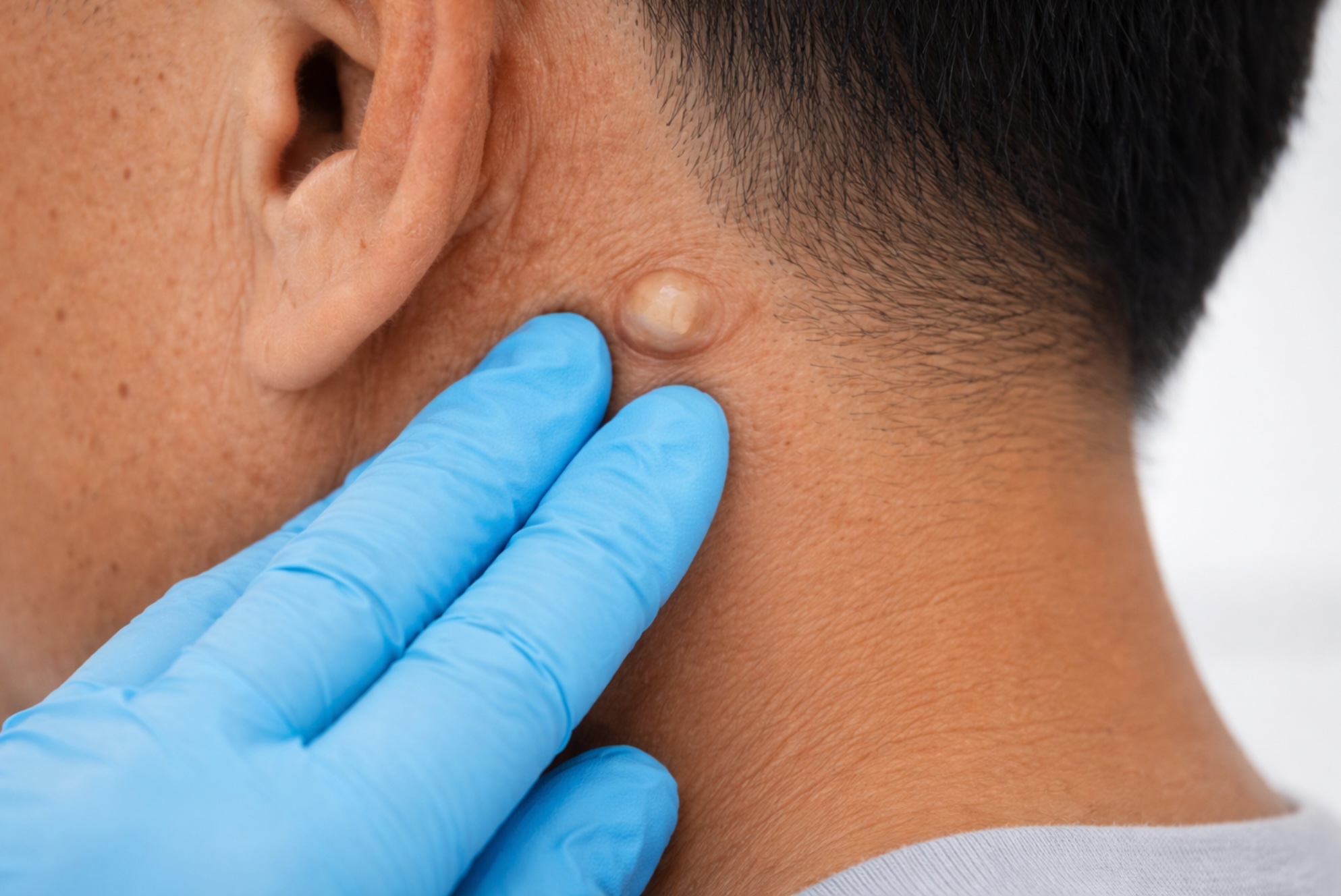
- Pilar cysts are among the most frequently identified examples, developing from hair follicle roots and usually growing slowly without discomfort.
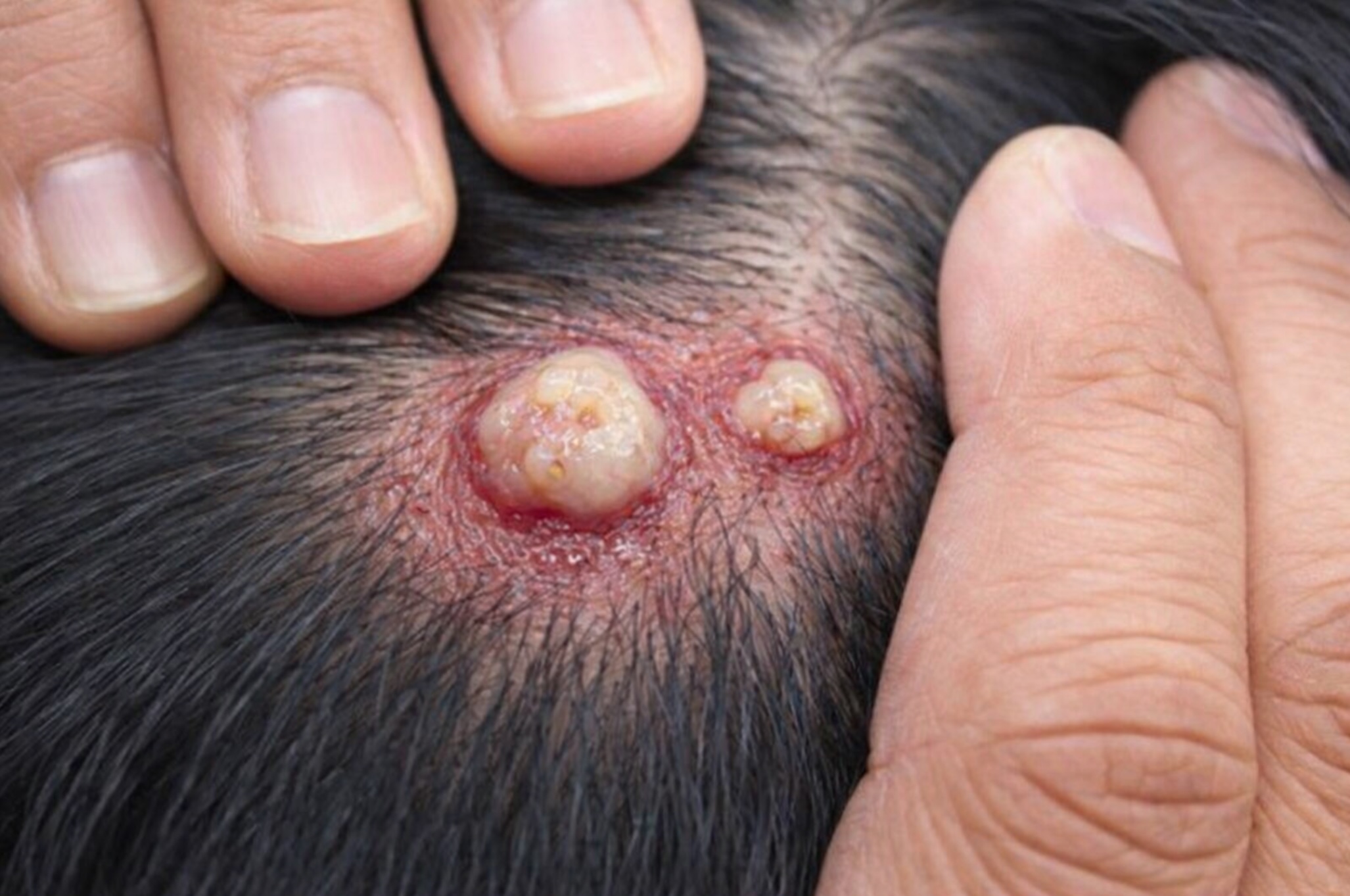
- Epidermoid cysts contain keratin and form when skin cells multiply in enclosed spaces beneath the surface. They grow slowly and feel firm but movable.
- Inflamed hair follicles or ingrown hairs create tender red bumps that may develop pus and resolve within days to weeks. These feel painful when touched and often appear after haircuts or shaving.
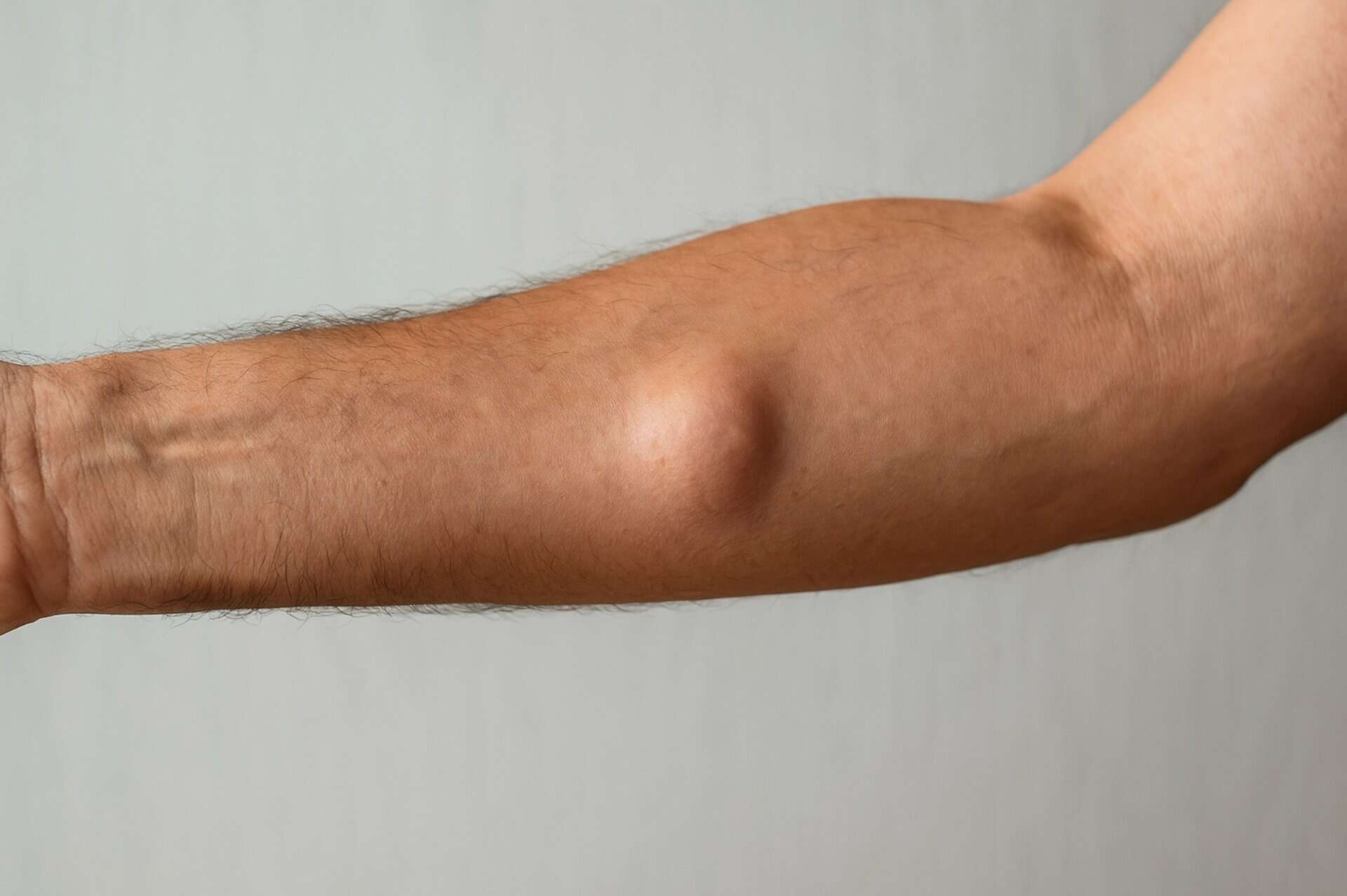
- Lipomas are soft fatty lumps that move easily under the skin and grow very slowly. They feel rubbery rather than firm and rarely cause discomfort.
- Minor trauma or haematoma results from bumping your head without realising it, creating a localised blood collection under the skin that feels tender and may change colour as it heals.
Less common but important causes
Skin infections or abscesses develop when bacteria enter follicles or wounds, creating painful, swollen lumps with warmth, redness, and sometimes pus discharge requiring antibiotic treatment.
Enlarged lymph nodes behind the ears or at the skull base swell in response to scalp infections, appearing as firm mobile lumps that shrink once infection resolves.
Bone growths called osteomas are hard immobile bumps fixed to the skull surface, growing extremely slowly and usually causing no symptoms beyond their physical presence.
Rare tumours, including skin cancers or other growths, remain uncommon but require evaluation when lumps show rapid change, ulceration, or bleeding. Mentioning this calmly helps awareness without creating unnecessary alarm.
When to worry about a scalp bump
Many scalp bumps remain stable for years without causing harm, but certain changes signal the need for timely medical evaluation. Recognising these warning features early helps ensure potentially serious conditions are not overlooked.
The table below shows red flag symptoms requiring professional assessment rather than continued home monitoring.
| Warning Sign | What It Suggests | Action Needed |
|---|---|---|
| Rapid enlargement (days to weeks) | Infection, haematoma, or aggressive growth | Medical evaluation within days |
| Increasing pain, redness, swelling | Active infection or inflammation | Seek medical advice promptly |
| Hard, fixed lump (does not move) | Possible bone involvement or deep tissue growth | Professional assessment required |
| Bleeding, discharge, or ulceration | Infection or potential malignancy | Medical evaluation essential |
| Neurological symptoms after injury | Possible skull fracture or brain injury | Emergency evaluation immediately |
| Lump persisting longer than 4–6 weeks | Requires diagnosis and monitoring | Schedule medical appointment |
| History of cancer or immune suppression | Higher risk of serious pathology | Prompt specialist referral |
Diagnostic guidance emphasises that whilst most scalp lumps are benign, these red flag features warrant investigation to exclude serious conditions and ensure appropriate treatment.
Seek urgent care if you experience severe headache, confusion, vision changes, or weakness after discovering a scalp bump following head trauma, as these symptoms may indicate intracranial injury.
Diagnosis and treatment options
Clinical evaluation usually begins with a careful physical examination, allowing the doctor to assess size, texture, mobility, tenderness, and surrounding skin changes. When deeper structures need evaluation, imaging such as ultrasound or CT scanning may be advised to clarify the nature of the lump.
- Stable benign cysts that cause no discomfort are often monitored through periodic observation.
- Signs of bacterial infection may require targeted antibiotic therapy to control inflammation and prevent complications.
- Larger cysts, lipomas, or persistent abscesses may be treated through minor surgical removal or drainage performed under local anaesthesia.
Pressure, squeezing, or home attempts to puncture a scalp lump can worsen infection, cause scarring, or delay proper diagnosis, therefore medical assessment is recommended before any treatment decisions.
We provide professional scalp cyst removal consultation if treatment becomes necessary, ensuring safe diagnosis and appropriate management tailored to the specific cause.
Conclusion
Many scalp bumps are benign and monitored without immediate treatment. Size changes, persistent pain, discharge, or rapid growth require professional evaluation. Medical assessment confirms diagnosis and guides safe management. If you have noticed a scalp lump, contact us for a free professional scalp assessment today.
FAQs
Is a bump on the head under hair usually cancerous?
Most scalp lumps are benign cysts or follicle issues. Cancerous causes remain uncommon but should be evaluated if the lump changes rapidly, bleeds, or shows other warning signs.
Why do I have a red bump on head under hair that hurts?
Often caused by inflamed follicles, infection, or minor injury you may not remember. Painful red bumps typically indicate inflammation requiring monitoring and sometimes antibiotic treatment.
What does a hard bump on the scalp mean?
Could be a cyst, lipoma, or bone-related growth depending on mobility and duration. Hard immobile lumps fixed to the skull warrant evaluation to determine their nature.
Can a scalp cyst go away without treatment?
Some remain stable for years without intervention. Inflamed cysts may require drainage or removal, but uncomplicated cysts often need only monitoring.
Should I pop a bump on my scalp?
No. Squeezing causes infection, scarring, and recurrence because cyst walls remain intact and refill. Professional removal provides definitive treatment when needed.

Book Free Skin Assessment
Get assessment and personalised scalp cyst treatment to ease discomfort, reduce inflammation, and protect your scalp health.
 CALL US
 WHATSAPP