Overview
What is a fibroma?
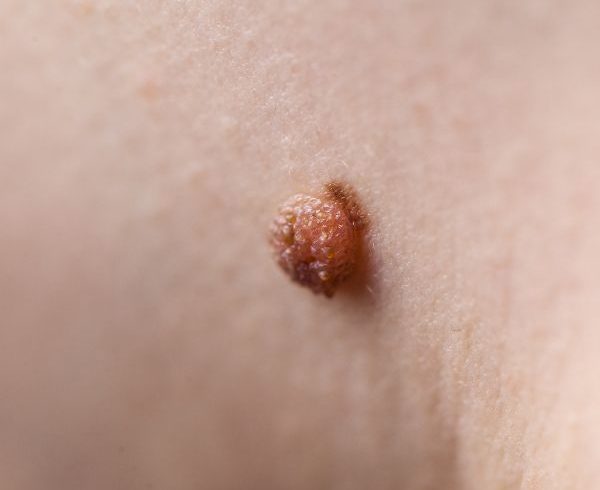
Fibromas are non-cancerous tumours that form from fibrous or connective tissue. Connective tissue supports and binds structures throughout the body, which is why fibromas can occur in many different areas.
Most fibromas remain localised, do not spread and grow slowly over time. They are often discovered incidentally during a skin examination or when a lump is noticed.
Are fibromas cancerous?
Fibromas are benign and do not turn into cancer. They are distinct from malignant tumours of fibrous tissue, such as fibrosarcoma. However, because some malignant growths can initially resemble a fibroma, any new, enlarging or unusual lump should be assessed by a healthcare professional to confirm the diagnosis.
Who can develop fibromas?
Fibromas can affect people of any age, although certain types are more common in adults.
- Dermatofibromas often appear in young to middle-aged adults
- Plantar fibromas are more frequent in middle age
- Ovarian fibromas tend to occur in women during middle adulthood
Some fibromas are associated with local irritation or minor injury, while others may have a genetic or hormonal component.
Where do fibromas usually occur?
Fibromas may develop in areas such as:
- The skin and tissues beneath the skin
- The soles of the feet
- The lining of the mouth
- Bones (uncommon)
- Certain organs, including the uterus
How are fibromas different from cysts or lipomas?
Fibromas are solid growths made of fibrous or connective tissue. In contrast, cysts are fluid-filled sacs, and lipomas are soft growths made of fatty tissue. Although these lumps can look similar, they differ in structure, feel and behaviour, which is why assessment by a healthcare professional is important for an accurate diagnosis.
Symptoms and Causes
What symptoms can fibromas cause?
Many fibromas cause no symptoms and are painless.
When symptoms occur, they usually relate to pressure or irritation and may include:
- A firm, well-defined lump
- Mild tenderness if pressed
- Discomfort when walking (plantar fibroma)
- Cosmetic concern
- A sensation of fullness or pressure (ovarian fibroma)
Most cutaneous fibromas are small, often less than 1–2 centimetres in diameter. Plantar fibromas may enlarge slowly and feel firm within the arch of the foot. Ovarian fibromas may grow larger before detection and can occasionally cause abdominal discomfort.
Rapid enlargement, persistent pain, ulceration or bleeding is not typical and requires medical review.
Common types of fibromas
Dermatofibroma
A small, firm skin nodule often found on the legs. It may feel fixed within the skin and can dimple inward when pinched.
Soft fibroma (skin tag)
A soft, flesh-coloured growth commonly found in skin folds such as the neck, underarms or groin.
Plantar fibroma
A firm nodule in the arch of the foot, arising from the plantar fascia.
Oral fibroma
A smooth lump inside the mouth, often related to repeated irritation such as cheek biting.
Ovarian fibroma
A benign tumour of fibrous tissue within the ovary. Most are asymptomatic but larger tumours may cause pelvic pressure.
What causes fibromas?
The exact cause of many fibromas is not known. They may develop due to localised overgrowth of fibrous tissue. In some cases, contributing factors include repeated minor trauma or irritation, genetic predisposition, or hormonal influences.
Can fibroma grow or change over time?
Most fibromas remain stable in size and appearance, but some may grow slowly over time. Rapid growth, sudden changes in shape or colour, pain, or ulceration are not typical and should be assessed to confirm the diagnosis and rule out other conditions.
Are fibroma linked to any underlying conditions?
Most fibromas occur on their own and are not associated with underlying illness. In rare cases, multiple fibromas may be linked to genetic conditions or local factors such as repeated irritation, but this is uncommon. A healthcare professional can advise if further assessment is needed.
Diagnosis and Tests
How are fibromas diagnosed?
Fibromas are usually diagnosed through a clinical examination. A healthcare professional will assess the size, shape, firmness, mobility and duration of the lump, along with any associated symptoms.
Are tests needed?
Further investigations are not always necessary. Imaging such as ultrasound or MRI may be recommended if a lesion is deep, atypical or causing symptoms. A biopsy may be advised if the diagnosis is uncertain or to exclude other conditions.
Management and Treatment
Do fibromas need treatment?
Many fibromas do not need treatment if they are small, painless and stable. In these cases, monitoring may be recommended.
When is treatment considered?
Treatment may be advised if a fibroma:
- Causes pain or discomfort
- Interferes with movement or daily activities
- Becomes repeatedly irritated or inflamed
- Changes in size or appearance
- Causes cosmetic or psychological concern
How are fibromas treated?
Treatment depends on the fibroma’s type and location. Options may include observation, surgical removal under local anaesthetic, or selected treatments such as cryotherapy or laser therapy for certain skin lesions. Supportive measures, such as footwear modification, may help with plantar fibromas.
Attempting to remove fibromas at home is not recommended due to the risk of infection and scarring.
Can fibromas come back after removal?
Fibromas can recur after treatment, particularly if the growth is not completely removed. Complete surgical excision usually reduces the risk of recurrence, although the likelihood varies depending on the type and location of the fibroma.
Outlook/Prognosis
Fibromas are benign and usually do not cause serious health problems. Many remain unchanged over time. When treatment is required, outcomes are generally very good. Recurrence can occur in some cases, particularly if removal is incomplete.
Most fibromas do not require long-term monitoring if they are stable and symptom-free. Follow-up may be recommended if a fibroma changes, causes symptoms, or has been treated and needs review to check healing or recurrence.
Prevention
There is no proven method to prevent fibromas. Minimising repeated irritation or pressure to the skin may help in some cases, although many fibromas develop without an identifiable cause.
When to seek medical advice
You should see a GP or specialist if a lump:
- Is new or increasing in size
- Becomes painful, inflamed or ulcerated
- Changes in colour, size or texture
- Interferes with daily activities
- Causes concern or uncertainty
Early assessment helps ensure an accurate diagnosis and appropriate management.