






Cysts on the scalp are closed sacs beneath the skin, usually caused by blocked follicles or keratin buildup. They are generally harmless but should be checked if painful, growing, or inflamed.
Cysts on the scalp refer to small sacs that develop beneath the skin, commonly linked to blocked hair follicles, trapped keratin, or minor irritation. Many remain harmless and treatable, yet recognising warning signs helps ensure timely care. This guide explains causes, symptoms, and when medical assessment becomes advisable.
Key Takeaways
- Most scalp cysts, particularly pilar and epidermoid types, are benign, slow-growing, and painless, requiring no immediate treatment unless symptomatic.
- Redness, warmth, rapid growth, pain, or discharge around a scalp lump may indicate infection or inflammation and should be professionally evaluated without delay.
- While drainage and antibiotics offer temporary relief, complete surgical excision of the cyst wall is the only reliable way to prevent recurrence.
Table of Contents
What Is a Scalp Cyst?
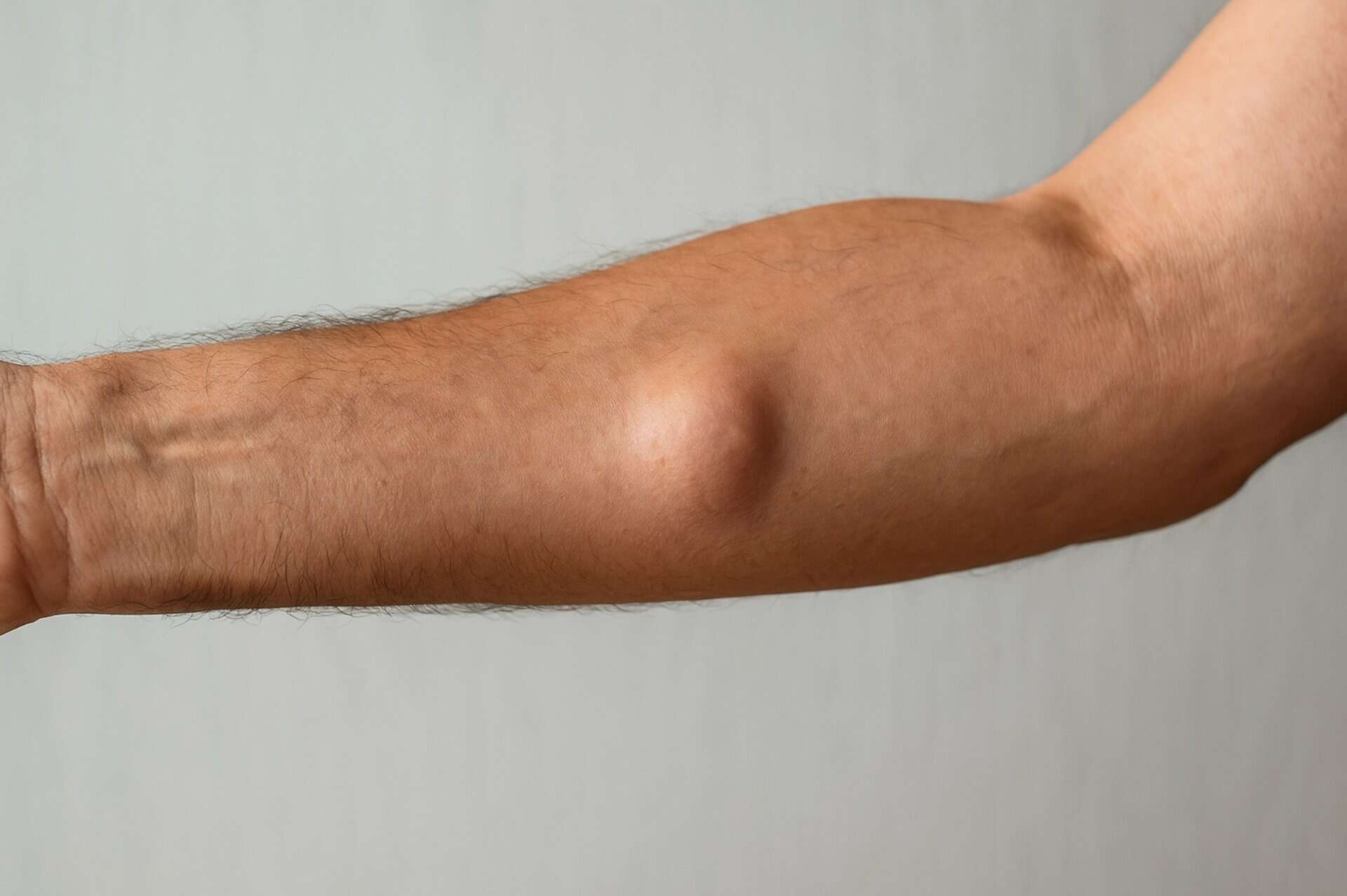
A scalp cyst is a closed sac beneath the skin that contains keratin, fluid, or semi-solid material. These lumps often feel smooth, rounded, and slightly movable because they form within the upper skin layers rather than attaching deeply to underlying tissue.
The scalp is a frequent location for cyst formation due to its high concentration of hair follicles and oil-producing glands.
What Causes Cysts on the Scalp?
When follicles become blocked, material that would normally exit through the skin surface becomes trapped, gradually forming a cyst.
Clinical dermatology sources describing follicular blockage as a common cause of cysts explain that accumulated keratin and skin debris create the firm structure typically felt under the hair.
Additional contributing factors include minor trauma, repeated irritation from grooming or tight hairstyles, and inherited tendencies affecting follicle behaviour.
Not every lump under the hair represents a cyst, so persistent or changing bumps benefit from professional assessment.
Types of Cysts Found on the Scalp
Several types of cysts can develop beneath the scalp, each with slightly different origins and characteristics. Recognising these variations helps explain why some lumps feel firmer, softer, or grow at different speeds.
Pilar Cysts
Pilar cysts (also called trichilemmal cysts) are the predominant scalp cyst type.
They originate from hair follicle outer root sheath cells, explaining why they occur almost exclusively on the scalp where hair follicles are densest. The texture feels firm and smooth beneath the skin, with slow growth occurring over months to years.
Studies confirm the widespread prevalence of these lesions, occurring across all ages with a mean age around 37.6 years and no significant sex difference. These cysts often show hereditary patterns, running in families through multiple generations.
Epidermoid Cysts
Epidermoid cysts can occur anywhere on the body including the scalp.
The texture feels slightly softer than pilar cysts in many cases, though both can vary. Sometimes a central punctum (tiny opening) appears on the surface, though this is not always visible.
The contents consist of shed skin cells and keratin, creating a characteristic cheesy or paste-like material if the cyst ruptures or gets drained.
Other Less Common Scalp Lumps
Dermoid cysts contain hair follicles and skin glands within the cyst wall, making them structurally different from pilar or epidermoid types.
Lipomas are soft fatty growths beneath the skin that move easily and feel rubbery. Abscesses represent infected collections of pus rather than true cysts, presenting with pain, warmth, and redness.
Professional assessment helps determine which type of lump you have when uncertainty exists, as some lesions initially thought to be cysts were actually different tumors, emphasising the importance of biopsy and pre-operative evaluation.
What are the Warning Signs of Scalp Cysts
Scalp cysts often develop gradually and may remain unnoticed until felt while washing or brushing hair. Recognising typical features helps distinguish harmless lumps from those needing prompt medical attention.
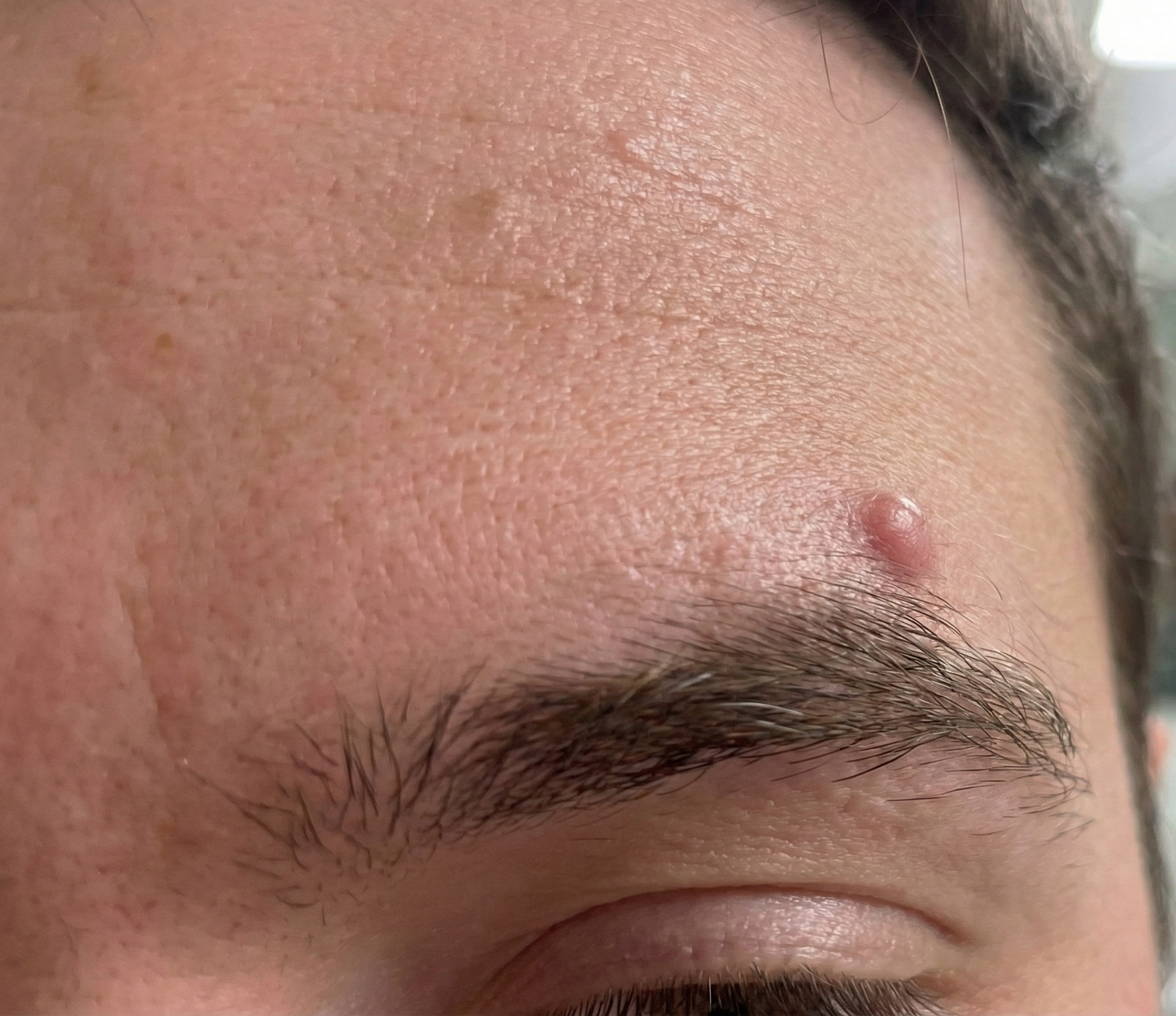
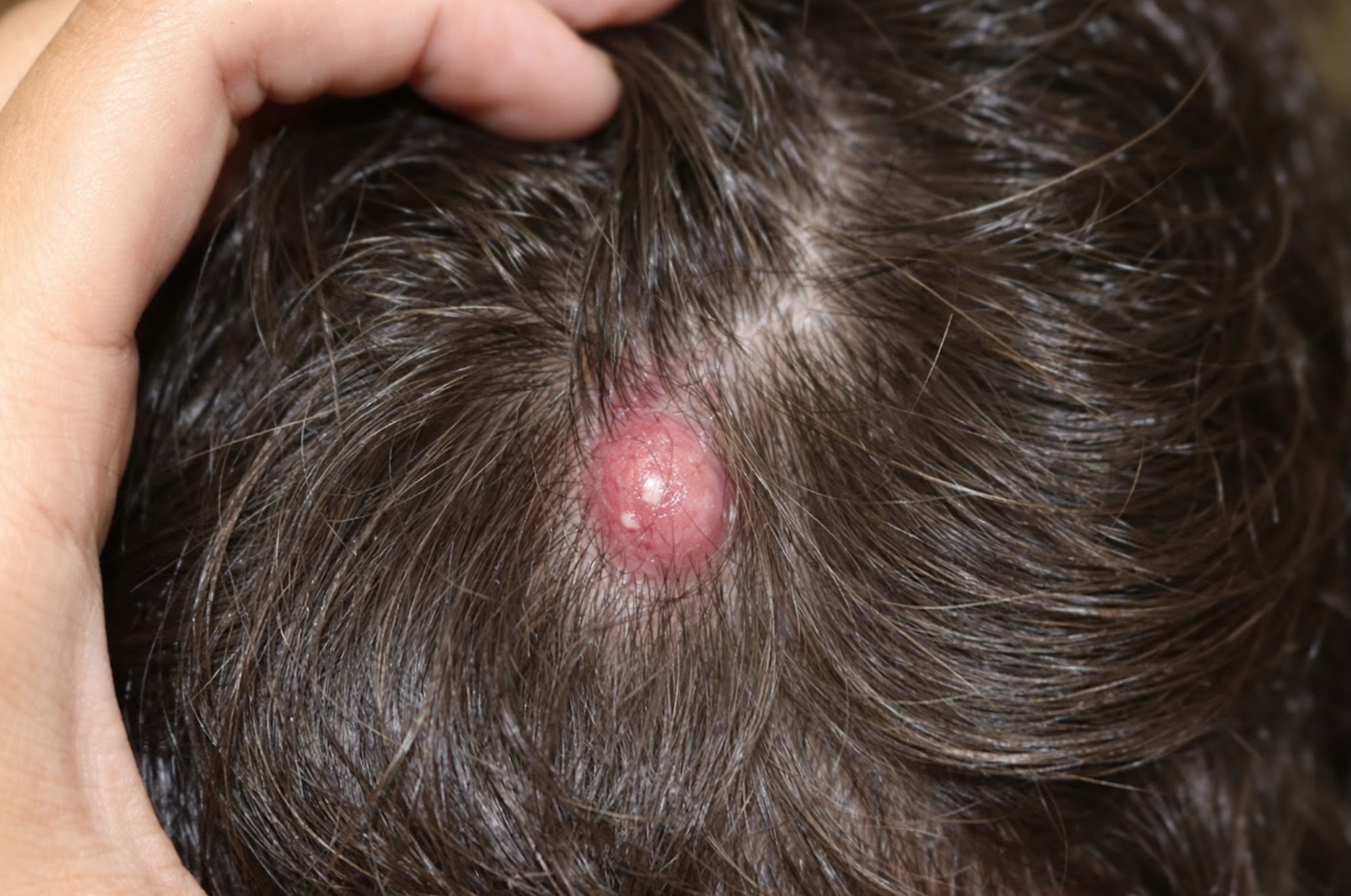
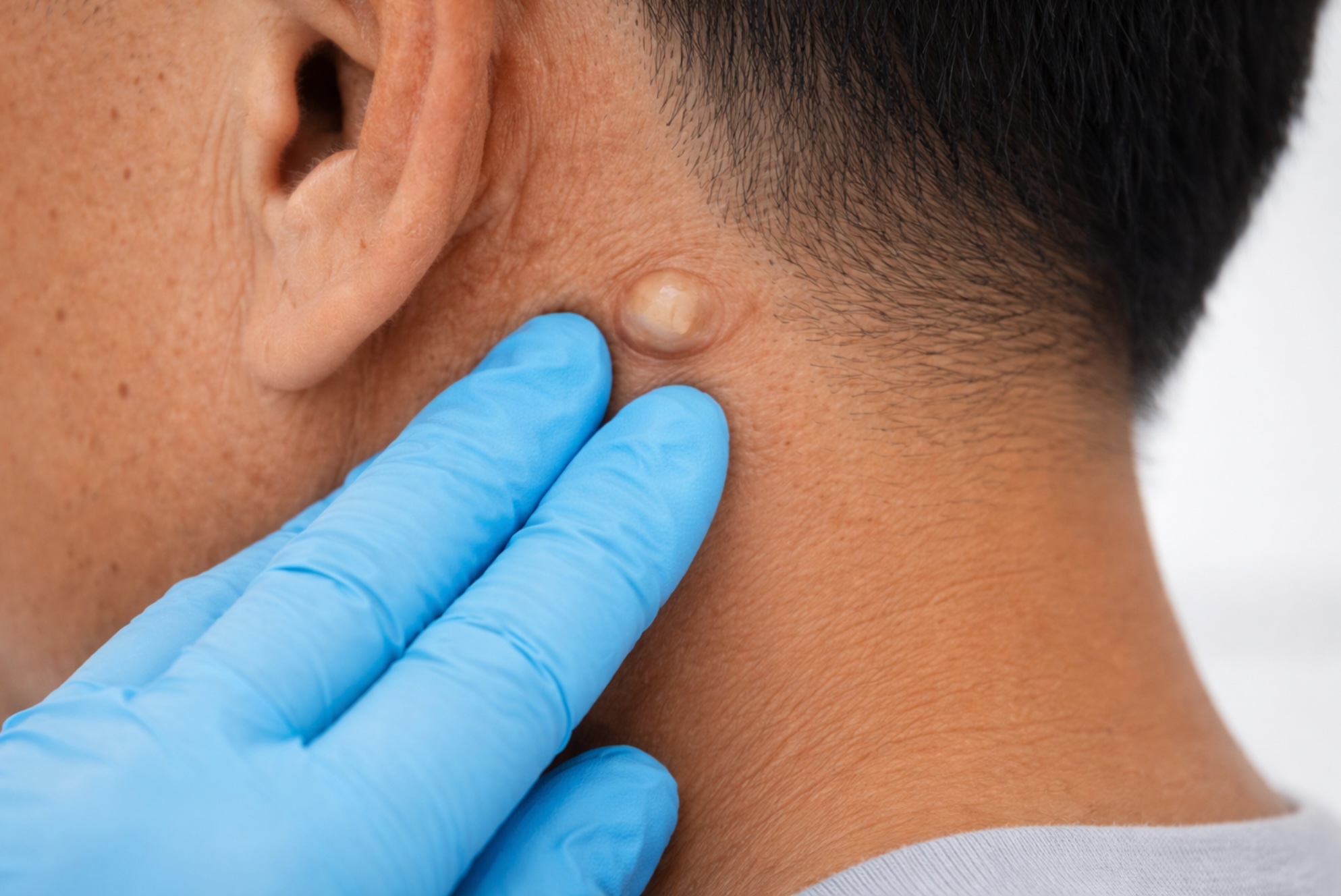
Typical cyst characteristics include a round or oval lump beneath the scalp, a smooth surface, and normal skin covering the area. Many cysts are painless and move slightly when pressed, reflecting their position within the skin rather than deeper tissues.
Changes suggesting infection or inflammation require closer evaluation. These include increasing redness, tenderness, warmth around the lump, swelling, or discharge of fluid or pus.
Fever can occur in more advanced infections, although this remains uncommon. Clinical guidance on evaluating suspicious skin symptoms recommends medical review when these warning signs appear.
Rapid enlargement, persistent pain, or a lump that becomes fixed rather than movable should also prompt professional assessment.
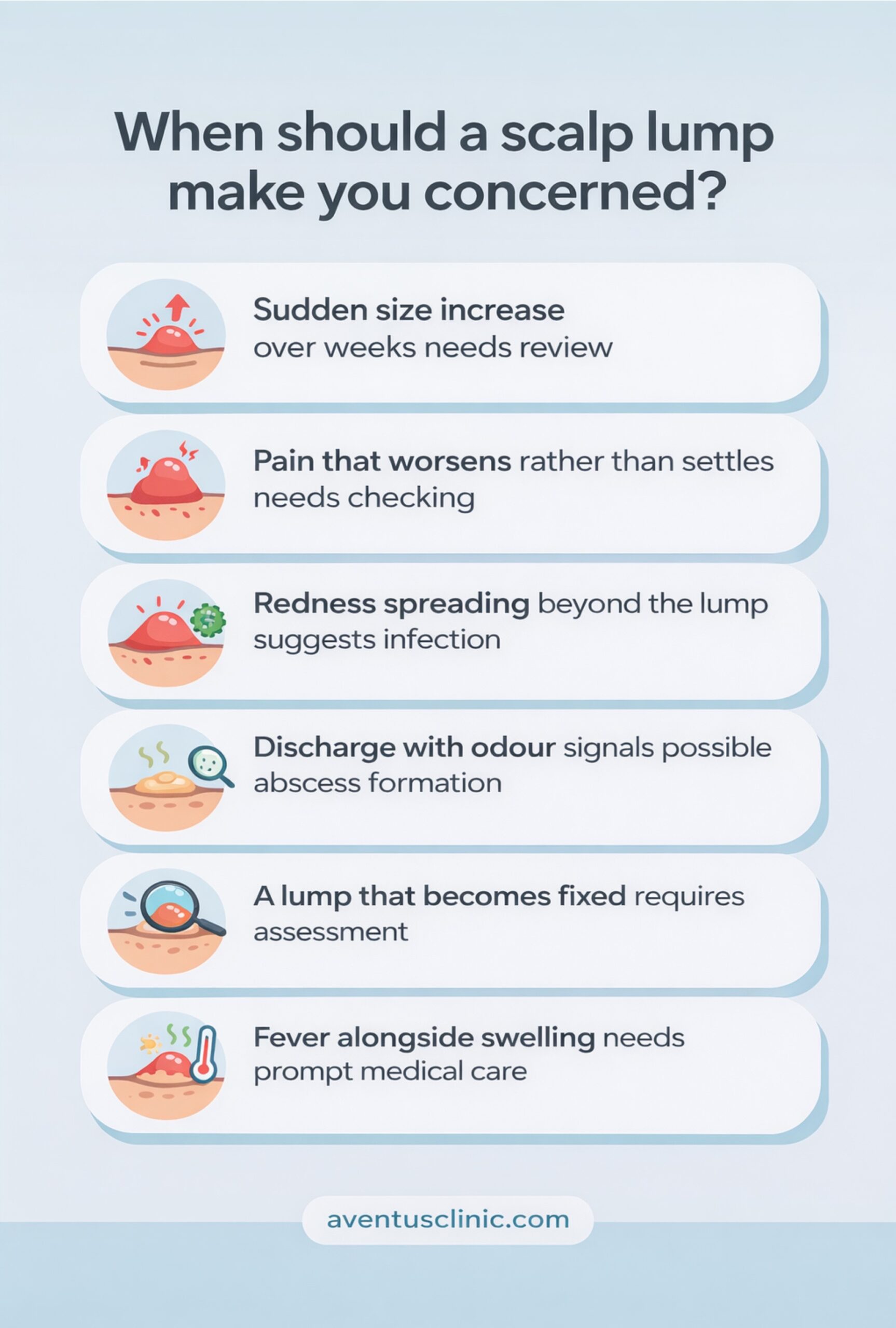
Early evaluation helps confirm whether the swelling is a cyst, infection, or another condition and ensures appropriate treatment before complications develop.
How to Care for a Scalp Cyst and Prevent Recurrence
Simple care measures can reduce discomfort and help lower the risk of complications or recurrence. The following steps are especially important when managing scalp cysts:
- Avoid squeezing or puncturing the cyst, as this can push material deeper into the skin, increase the risk of infection, and lead to scarring.
- Use warm compresses to ease tenderness and improve comfort, understanding that they may soothe symptoms but will not remove the cyst itself.
- Be mindful of repeated scalp trauma, such as tight hairstyles, frequent scratching, or ongoing friction, which can block hair follicles and contribute to new cyst formation.
- Manage underlying scalp conditions early, including dandruff, folliculitis, or other inflammatory issues, to support healthier follicles and reduce recurrence risk.
- Consider family history, particularly with pilar cysts, as genetic predisposition can increase the likelihood of recurrence.
Recurrence most often happens when the cyst wall remains intact beneath the skin. For cysts that are persistent, enlarging, or repeatedly inflamed, professional evaluation is recommended. Complete surgical removal remains the only reliable method for preventing regrowth.
What are the Treatment Options Available for Scalp Cysts
Clinical examination usually provides sufficient diagnosis for typical scalp cysts.
Doctors palpate the lump, assess size and mobility, examine overlying skin, and take medical history to determine the likely cyst type. Imaging becomes necessary when lumps feel atypical or show concerning features, with CT scans showing epidermoid cysts as hypodense lesions aiding differential diagnosis from malignant conditions.
Treatment pathways depend on symptoms and cyst characteristics. Watch and wait suits harmless cysts causing no symptoms, pain, or cosmetic concerns. Annual monitoring ensures no concerning changes develop.
- Antibiotics treat infected cysts when bacteria cause surrounding inflammation. Oral antibiotics resolve infection within one to two weeks, though the cyst itself remains.
- Drainage provides temporary relief by removing cyst contents through needle aspiration or small incision. This reduces size and discomfort immediately but recurrence is common within months because the cyst wall remains intact.
- Surgical removal prevents recurrence by excising the entire cyst including its wall. We offer scalp cyst removal treatment to safely remove persistent cysts with minimal scarring, ensuring complete excision that prevents reformation.
The comparison below shows treatment options and their long-term outcomes.
| Treatment Approach | Procedure | Recurrence Risk | Best For |
|---|---|---|---|
| Observation | Monitor size and symptoms | Not applicable | Asymptomatic stable cysts |
| Antibiotics | Oral medication for infection | Cyst remains after infection clears | Infected cysts |
| Drainage | Needle or incision to empty contents | High (50–80%) | Temporary symptom relief |
| Surgical excision | Complete removal of cyst and wall | Low (5–10%) | Definitive treatment, symptomatic cysts |
Complete surgical removal offers the only reliable way to eliminate scalp cysts permanently.
If intervention becomes necessary, we offer scalp cyst removal treatment to safely remove persistent or uncomfortable cysts and restore normal scalp comfort.
Conclusion
Scalp cysts are usually harmless but should be monitored for growth, pain, or infection. Persistent, enlarging, or uncomfortable lumps benefit from professional assessment and, where needed, safe removal.
If you notice a persistent lump, contact us for a free consultation to assess your scalp cyst safely.
FAQs
Do itchy red scalp patches always mean infection?
No. While fungal or bacterial infections can cause itchy red patches, most cases result from non-infectious conditions like psoriasis, seborrhoeic dermatitis, or allergic reactions. Only proper diagnosis can determine the exact cause.
Can hair dye or shampoo trigger this condition?
Yes. Hair products often contain potential allergens like parabens, fragrances, PPD in hair dyes, and preservatives that can trigger allergic contact dermatitis, causing red, itchy patches on the scalp.
Is scalp psoriasis lifelong?
Scalp psoriasis is typically chronic with periods of remission and flare-ups throughout life. While not curable, it can be effectively managed with proper treatment, lifestyle adjustments, and trigger avoidance.
Can stress make symptoms worse?
Absolutely. Stress triggers inflammatory responses and can worsen most scalp conditions, particularly psoriasis and eczema. Stress management techniques like meditation or exercise may help reduce flare frequency and severity.
Should I stop using hair products?
Don’t stop all products immediately. Instead, switch to gentle, fragrance-free formulations and reintroduce products one by one to identify potential triggers. Dermatologist-recommended products are often safer for sensitive scalps.
What treatments do UK dermatologists usually recommend?
UK dermatologists typically prescribe topical corticosteroids for inflammation, antifungals for fungal infections, coal tar preparations for psoriasis, and sometimes systemic medications for severe cases. Treatment plans are customised based on specific diagnosis.

Book Free Skin Assessment
Get assessment and personalised scalp cyst treatment to ease discomfort, reduce inflammation, and protect your scalp health.
- Sources
1. https://pmc.ncbi.nlm.nih.gov/
2. https://www.dovepress.com/
3. https://jcadonline.com/
4. https://journals.lww.com/
5. https://www.sciencedirect.com/
 CALL US
 WHATSAPP