






Facial eczema that improves and then returns is a recognised pattern of a chronic inflammatory skin condition. Many people experience periods where their skin appears normal, followed by flare-ups of redness, dryness or itching. This cycle can feel unpredictable and discouraging.
- Dr Sharon Crichlow
- Reading Time: 10 Mins
Facial eczema that improves and then returns is a recognised feature of atopic eczema, a chronic inflammatory skin condition affecting up to 20 percent of children and around 5 to 10 percent of adults worldwide. According to the NHS overview of atopic eczema, the condition typically follows a relapsing and remitting course, meaning flare-ups alternate with periods of relative calm.
Many people feel discouraged when their facial skin clears and then suddenly becomes red, dry or itchy again. However, this cycle is a defining characteristic of eczema rather than a sign that treatment has failed.
Key Takeaways
- Facial eczema commonly improves and then flares again because the skin barrier remains vulnerable, even when the surface appears clear.
- Recurring flare-ups are often triggered by skincare products, environmental factors, stress or hormonal changes.
- Moisturisers help repair the skin barrier, but active inflammation may require short-term prescription treatment.
- Seek medical advice if symptoms persist, worsen or show signs of infection such as oozing, crusting or increasing pain.
Table of Contents
Why Does Facial Eczema Come and Go?
Eczema is driven by two core processes: skin barrier dysfunction and immune system overactivity.
Research into epidermal barrier dysfunction has shown that people with atopic eczema experience increased transepidermal water loss and reduced structural barrier integrity. The National Eczema Society explains that this weakened barrier allows irritants and allergens to penetrate more easily, triggering inflammation.
Even when visible redness settles, the barrier may remain compromised beneath the surface. Without continued barrier support and trigger management, flare-ups can recur.
What Are the Typical Symptoms of Facial Eczema?
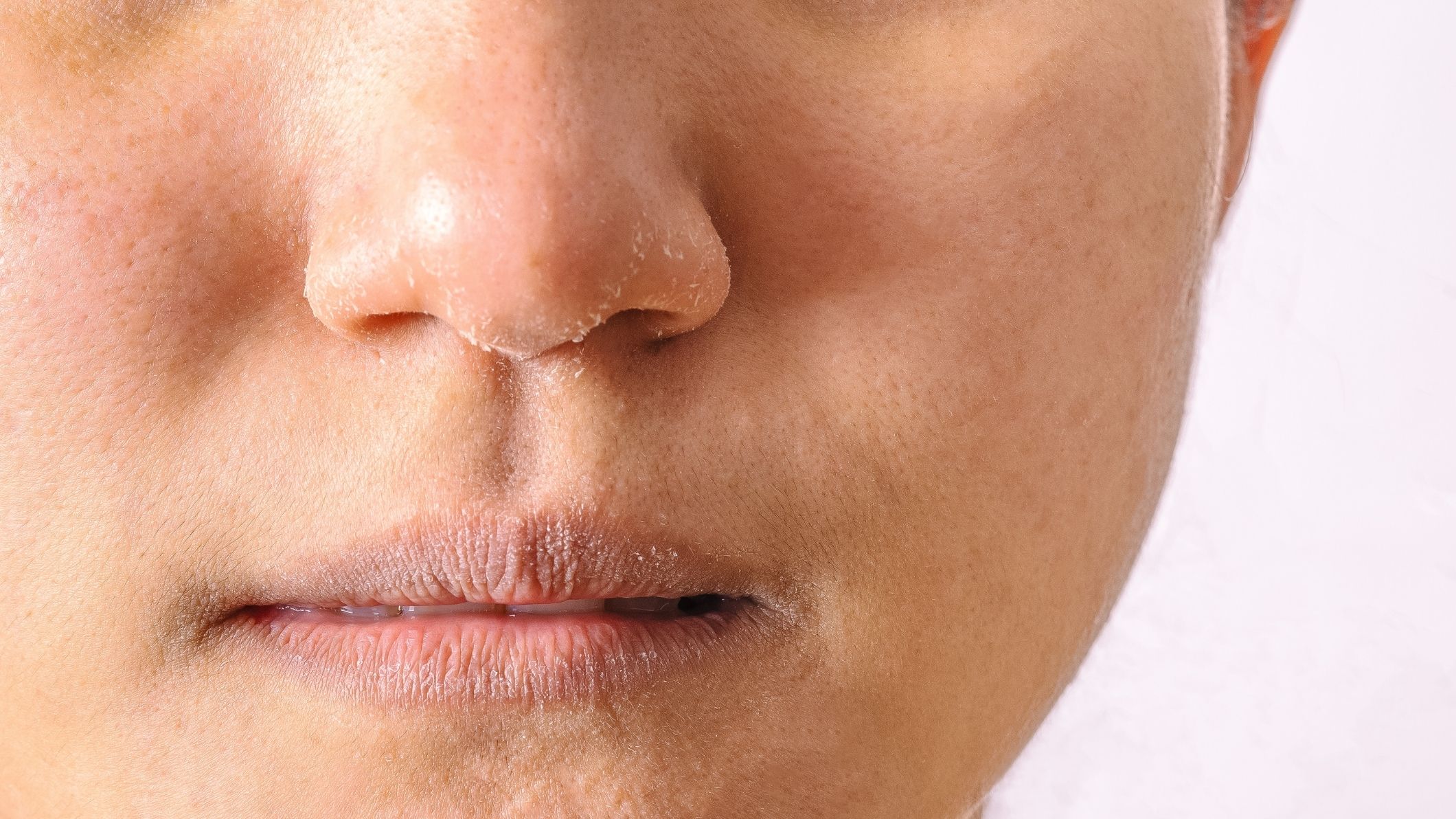
Facial eczema can present in different ways depending on the individual and the type of eczema involved.
| Feature | Typical Eczema Flare | Possible Infection | Seborrhoeic Dermatitis |
|---|---|---|---|
| Redness | Common and patchy | Increasing and spreading | Often around nose and brows |
| Itching | Common and sometimes intense | May reduce if pain increases | Usually mild |
| Pain | Usually mild irritation | Increasing tenderness or soreness | Uncommon |
| Skin texture | Dry, rough or flaky | Oozing, crusting | Greasy or yellowish scale |
| Swelling | Mild | May be significant | Mild |
| Systemic symptoms | None | Fever or feeling unwell in severe cases | None |
What Commonly Triggers Recurring Facial Eczema?
Weakened Skin Barrier
Barrier weakness is central to recurrence. People often report tightness after washing, stinging when applying products or persistent dryness even when redness has settled.
Skincare Ingredients
Skincare ingredients frequently play a role. Fragrance, foaming cleansers, alcohol-based toners and certain preservatives may irritate sensitive skin. In some cases, allergic contact dermatitis develops. If flare-ups affect the same area repeatedly, particularly around the eyes or cheeks, allergy testing may be appropriate.
Atopic Eczema
Atopic eczema is the most common type affecting the face and is often linked with asthma and hay fever. It commonly affects the cheeks, eyelids and area around the mouth.
Seborrhoeic Dermatitis
Seborrhoeic dermatitis, which affects oil-rich areas such as the eyebrows and sides of the nose, is linked to a reaction to naturally occurring yeast and often causes flaky or greasy scaling.
Stress and Hormonal Triggers
Stress and hormonal changes can also influence flare patterns. Emotional strain, poor sleep and hormonal fluctuations may increase inflammatory activity.
Environmental Triggers
Environmental factors such as cold air, indoor heating, heat, sweating and pollution can further weaken the skin barrier.
Why Does Moisturiser Help but the Eczema Returns?
Moisturisers are essential because they reduce water loss and help restore the skin barrier. However, they do not directly suppress inflammation.
During active flare-ups, anti-inflammatory treatment is often required. This may include short courses of mild topical corticosteroids or non-steroidal anti-inflammatory creams suitable for delicate areas such as the eyelids.
Without controlling inflammation, moisturising alone may not prevent recurrence.
When Should You See a Doctor?
Medical assessment is recommended if:
- Symptoms persist for more than two to three weeks despite regular moisturising
- Itching significantly disrupts sleep
- The eyelids become swollen or painful
- There is increasing tenderness rather than itch
- Yellow crusting or oozing develops
- Redness spreads rapidly
- You feel unwell
Recurrent or persistent facial eczema may require professional treatment, allergy testing or review to confirm the diagnosis. Conditions such as rosacea, perioral dermatitis or contact allergy can sometimes mimic eczema.
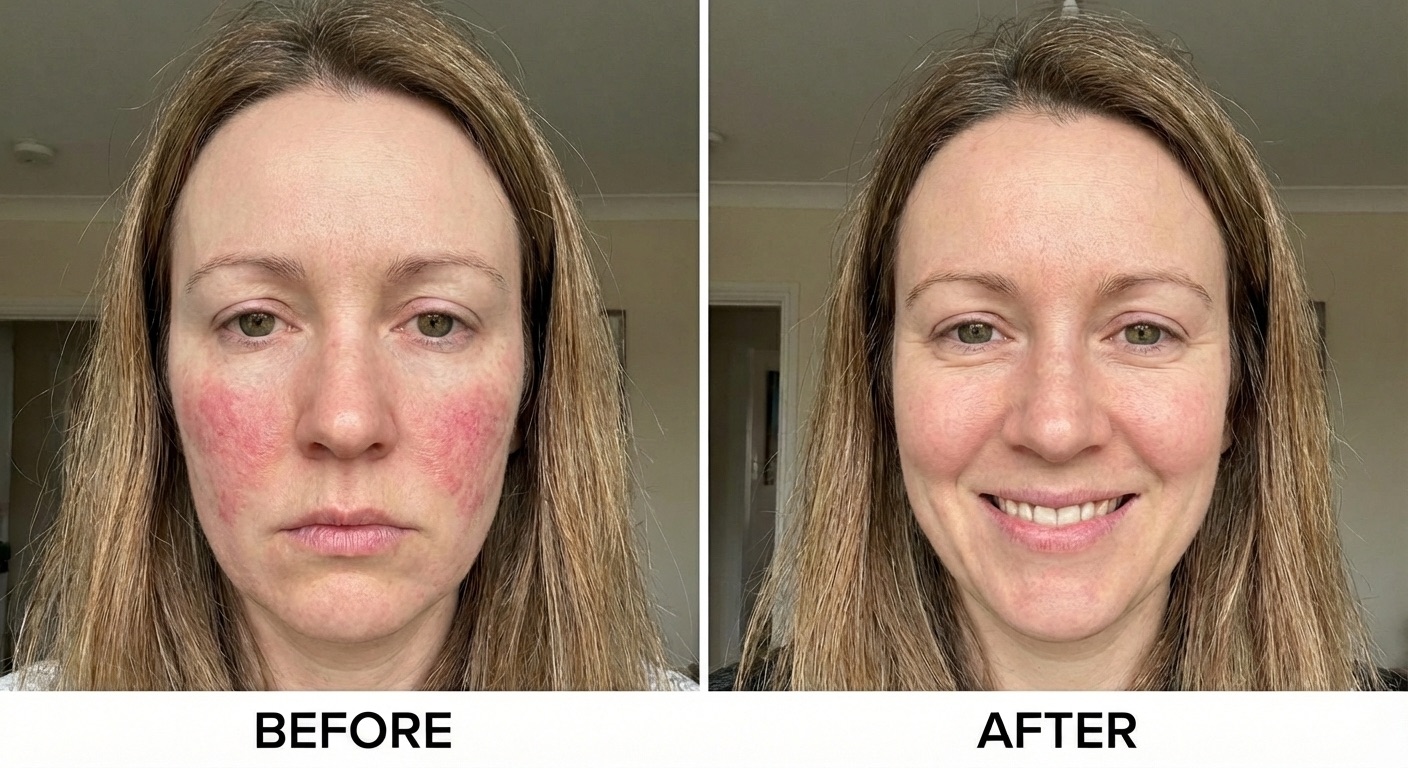
Can Facial Eczema Be Cured?
Eczema is a chronic condition, meaning the underlying tendency for the skin to react usually remains. However, with appropriate treatment, consistent moisturising and early intervention during flare-ups, many people achieve long periods of stable skin.
Conclusion
Facial eczema that comes and goes reflects the relapsing nature of the condition. Recurrence does not indicate treatment failure. It usually means the skin barrier remains vulnerable and has been exposed to a trigger.
By protecting the barrier, identifying irritants and treating inflammation promptly, most individuals can significantly reduce the frequency and severity of flare-ups.
If symptoms are persistent or worsening, professional assessment is advised.
Frequently Asked Questions
Is facial eczema linked to gut health?
Research into the gut–skin axis suggests interactions between gut bacteria and immune function. Differences in gut microbiota have been observed in individuals with eczema, particularly in early life. However, in adults, evidence remains limited.
Maintaining a balanced diet supports general health, but improving gut health alone has not been shown to reliably control facial eczema. The primary drivers remain skin barrier dysfunction and immune inflammation.
Can anxiety cause flare-ups?
Stress and anxiety can worsen eczema. Stress hormones influence immune responses and may impair barrier repair. Many individuals report flare-ups during emotionally demanding periods.
Anxiety does not directly cause eczema but can act as a trigger.
Why does eczema get worse at night?
Inflammatory processes follow circadian rhythms and may increase in the evening. Body temperature also rises slightly at night, which can intensify itching. With fewer distractions, itch perception becomes more noticeable, increasing scratching behaviour.
Can retinol trigger eczema?
Retinoids increase skin cell turnover and may disrupt the barrier in sensitive individuals. In eczema-prone skin, this may result in redness, dryness and stinging. Retinol should be introduced cautiously and avoided during active flare-ups.
Could my pillowcase be contributing?
Yes. Pillowcases may retain detergent residue, hair products, sweat and allergens such as dust mites. These may irritate facial skin overnight. Using fragrance-free detergents and washing bedding regularly may help.
Can face masks trigger eczema?
Prolonged mask use can cause friction, warmth and moisture build-up. In people with eczema-prone skin, this may trigger irritant dermatitis on the cheeks and around the mouth.
Not sure what’s causing your facial eczema flare-ups? Get personalised advice from our experienced dermatology team with a free online assessment.
- Sources
- https://www.utahallergies.com/
- https://www.bad.org.uk/
- https://www.nhs.uk/
- https://eczema.org/
 CALL US
 WHATSAPP