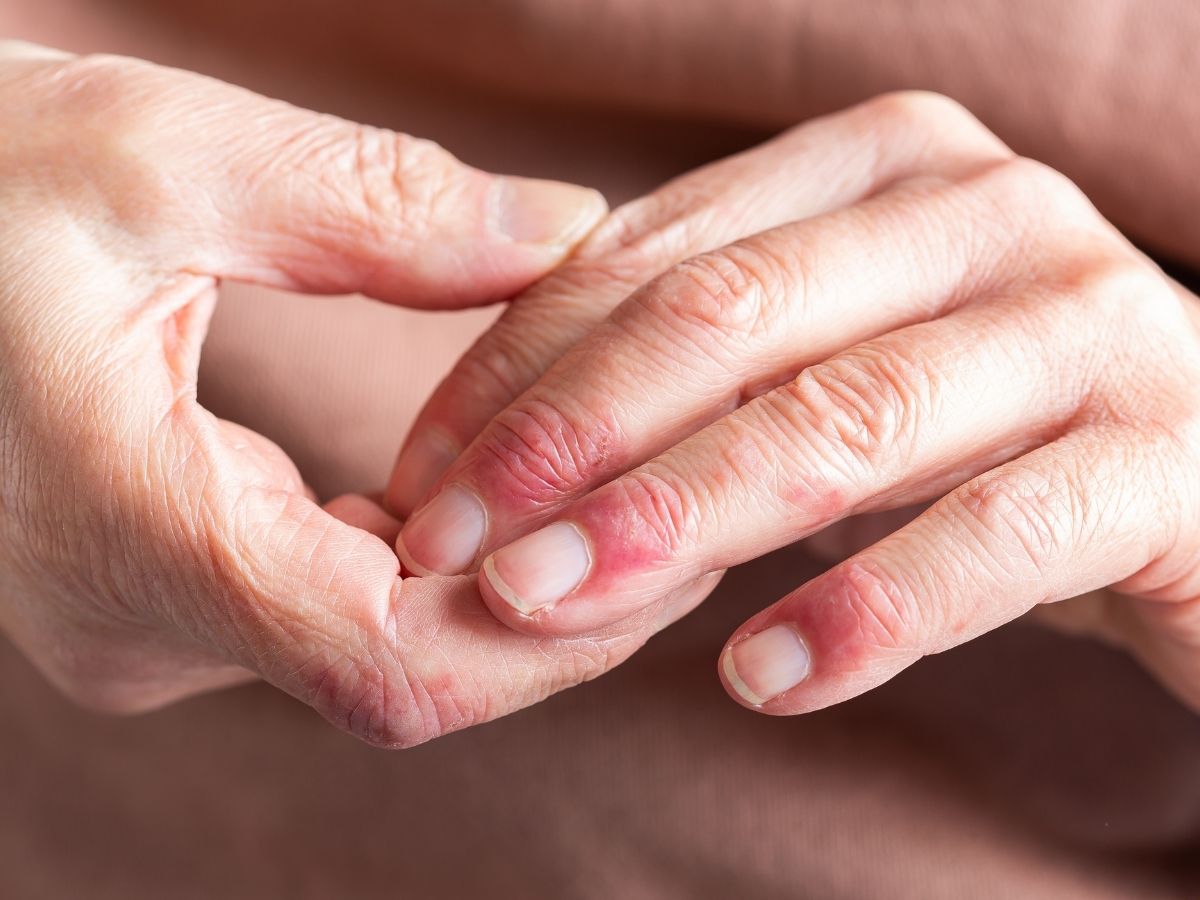



Eczema is a chronic inflammatory skin condition, often referred to medically as dermatitis, that causes dryness, itching, redness, cracking and irritation. Flare-ups can occur when the skin barrier becomes compromised and reacts to triggers such as allergens, irritants, stress, central heating, cold temperatures or seasonal changes. Symptoms may range from occasional mild dryness to persistent inflammation that affects sleep and everyday comfort.
During your consultation, we examine your skin to determine the specific type and severity of eczema present. This may include atopic dermatitis, contact dermatitis, hand eczema or other inflammatory skin conditions. We review flare frequency, seasonal patterns, possible triggers, previous treatments and any signs of secondary infection. This detailed assessment allows us to tailor treatment to your individual presentation rather than applying a general approach.
Clinician-led care in a regulated UK clinic focused on calming inflammation and restoring skin barrier function.
Start by uploading clear photographs of the affected areas using our secure online form. Our clinical team will review your symptoms and advise whether an in-clinic consultation is recommended for further assessment.
At your appointment, we assess the type and severity of your eczema and check for any signs of infection. We review your previous treatments and recommend appropriate medical management.
Following your consultation, we provide clear instructions on prescribed treatments, moisturising routines and flare prevention. Where required, follow-up appointments are arranged to monitor progress and adjust your treatment plan safely.
Discreet, doctor led treatment in a state of the art clinic designed around your comfort.
Consultant Plastic Surgeon
Consultant Dermatologist
“My mission is simple. To deliver natural results that restores confidence and changes lives.“
Voted Specialist Hair & Skin Clinic of the Year
Independent quality inspection
“My mission is simple. To deliver natural results that restores confidence and changes lives.“
Trusted by thousands across the UK.
From consultation to treatment, you’ll be supported by a medical-led team dedicated to delivering safe and effective results.
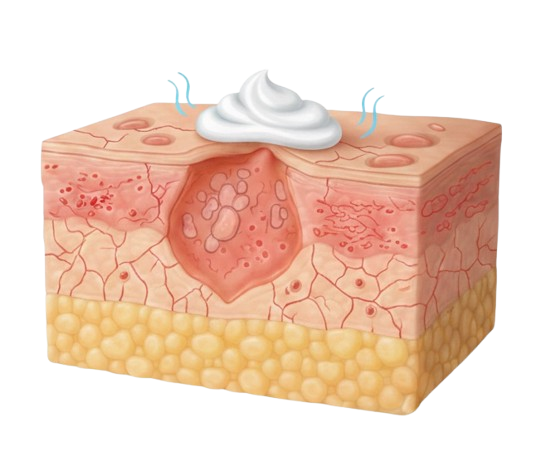
Management typically includes regular emollients to maintain hydration and topical corticosteroids to control active inflammation. Non-steroidal treatments may be used where appropriate. In more severe cases, options such as phototherapy or systemic medication may be considered under specialist supervision.
We take a detailed medical history and examine your skin to confirm the diagnosis, assess severity and identify potential triggers. We review any previous treatments before recommending an appropriate management plan.
Our treatment recommendations follow established dermatology guidelines. The difference is access, appointment flexibility and consultation time.
We aim to offer prompt appointments following your online assessment, helping you start treatment without long waits.
Eczema includes several types such as atopic eczema, contact dermatitis, varicose eczema, seborrhoeic eczema, dyshidrotic eczema and discoid eczema, all of which can be assessed and managed with appropriate care.
We aim to offer prompt appointments following your online assessment, helping you start treatment without long waits.
Treatments
We treat eczema with a personalised, clinician-led approach based on your skin’s severity and flare pattern. Book an assessment with our dermatology team to discuss your treatment options.
Regular application helps restore the skin barrier, improve hydration and reduce irritation. We provide structured advice on selecting appropriate formulations and maintaining consistent use to support long-term skin stability.
Topical corticosteroids are prescribed in appropriate strengths to control inflammation and relieve itching during flare-ups. Where appropriate, non-steroidal treatments such as topical calcineurin inhibitors may be recommended, particularly for sensitive areas or ongoing management.
For more persistent or severe eczema, additional options may be discussed. These can include wet wrap therapy to support hydration, antihistamines where itching affects sleep, referral for phototherapy or consideration of systemic treatment under specialist supervision where clinically indicated.
Whatever type of eczema you are experiencing, we are here to provide clear diagnosis and structured, clinician-led care.
As a doctor-led dermatology clinic, we assess the specific type of eczema you have, identify contributing triggers and recommend evidence-based treatment appropriate to its severity.
Your management plan is personalised to your symptoms, affected areas and flare pattern, whether you are experiencing facial eczema, hand dermatitis, widespread inflammation or recurrent flare-ups.
Yes. Avoiding known triggers such as harsh soaps or irritant fabrics, maintaining hydration and gentle skin care can reduce flare-ups and support overall management.
No. Eczema is not infectious and cannot be passed from one person to another.
Some treatments, especially topical corticosteroids or light therapy, can have associated side effects, and your consultant will explain these and monitor you appropriately.
Moisturisers and some topical products can help with mild symptoms, but prescription-strength treatments are often needed for moderate to severe eczema.
Common signs include dry, itchy, inflamed skin that can weep, crust or bleed. Severe itching may disrupt sleep and contribute to infection risk.