


phone

Eyebrow Transplant and Restoration

Restoration for sparse, thinning or overplucked brows

Specialist FUE eyebrow transplant surgery in the UK.


About Eyebrow Transplant

An eyebrow transplant is a surgical hair restoration procedure used to treat thinning or loss of eyebrow hair caused by conditions such as alopecia, scarring, hormonal changes or long-term over-plucking. Rather than relying on temporary cosmetic solutions like make-up or tattooing, the procedure restores natural hair growth using your own healthy hair follicles.

During your consultation, we take time to understand your goals, assess the cause of eyebrow thinning and evaluate donor hair suitability. We explain how the FUE eyebrow transplant procedure works, what results you can realistically expect and how growth develops over time, ensuring you feel fully informed before making a decision.

As a CQC-registered clinic in the UK, all procedures are carried out by GMC-registered doctors using advanced Follicular Unit Extraction (FUE) techniques. From initial assessment through to structured aftercare, our focus is on safe, precise treatment and natural-looking restoration tailored to your features.

What to Expect From Your Eyebrow Transplant Appointment

Your treatment is a safe, doctor-led procedure designed to restore natural, fuller brows .

Initial Consultation

Before the procedure, one of our specialists will assess your brow area and donor hair to create a design that suits your features. This careful planning ensures a natural shape, thickness and direction of growth for the best long-term results.

During the Procedure

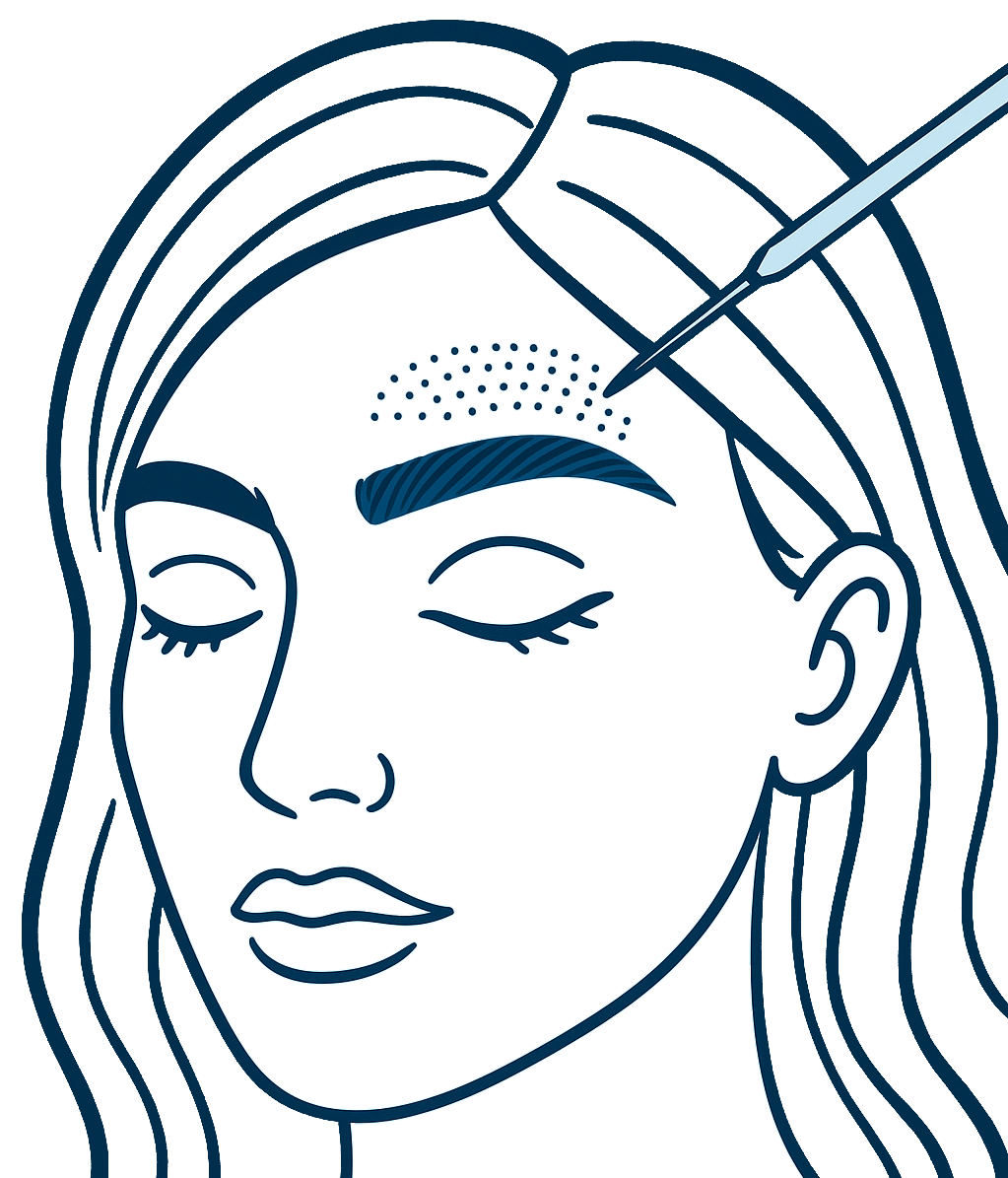
On the day, the area is numbed with local anaesthetic for comfort. Using precise FUE techniques, individual hairs are extracted from the back of the scalp and delicately implanted into the brows. The process is straightforward, minimally invasive and takes only a few hours.

Follow Up & Aftercare

After treatment, you’ll receive clear aftercare advice. Any minor redness or scabbing fades within days, and most patients return to their routine quickly. Our team remains available for follow-up guidance as your new brows continue to take shape naturally.

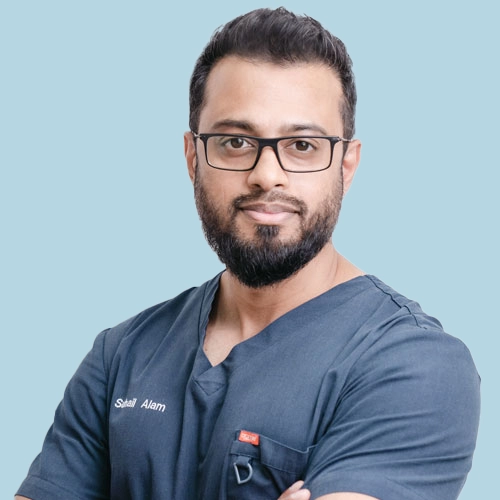
Meet Dr. Suhail Alam, Hair Transplant Surgeon & Medical Director

Medical Director of Aventus Clinic, Dr. Alam is an award-winning specialist with extensive experience performing precise FUE eyebrow transplants.

Dr.Alam

Medical Director

 
Our Mission

“To make expert medical care accessible, reassuring, and life changing for every patient we serve.”

Professional memberships

Award Winning Clinic

Voted Specialist Hair & Skin Clinic of the Year

CQC Registered & Rated Good

Independent quality inspection

Our Mission

“To make expert medical care accessible, reassuring, and life changing for every patient we serve.”

Professional memberships
2,000+​

Trusted by thousands across the UK.

An FUE eyebrow hair transplant restores thinning or sparse brows by transferring individual hair follicles from a donor area to the eyebrow. The donor hair is usually taken from the back or sides of the scalp, where follicles are typically more stable. Using Follicular Unit Extraction (FUE), each follicle is removed separately with specialised instruments to maintain graft quality before implantation.


Before the procedure, your clinician will review your brow design, donor area and treatment plan to ensure the shape and density are clearly defined. On the day of surgery, local anaesthetic is administered for comfort.

Using Follicular Unit Extraction (FUE), individual hair follicles are carefully removed from a donor area, usually the back or sides of the scalp, and implanted into the eyebrow. Each graft is placed at a precise angle to follow the natural direction of eyebrow hair growth.

The procedure typically takes several hours and is completed in a clinical setting. Mild redness or small scabs may be present in the early days following treatment, and aftercare guidance is provided to support healing.

People consider eyebrow transplant surgery for a variety of reasons. Some have naturally thin brows, while others may have suffered damage from beauty routines like over-plucking. Still, others may be dissatisfied with the appearance of their brows.

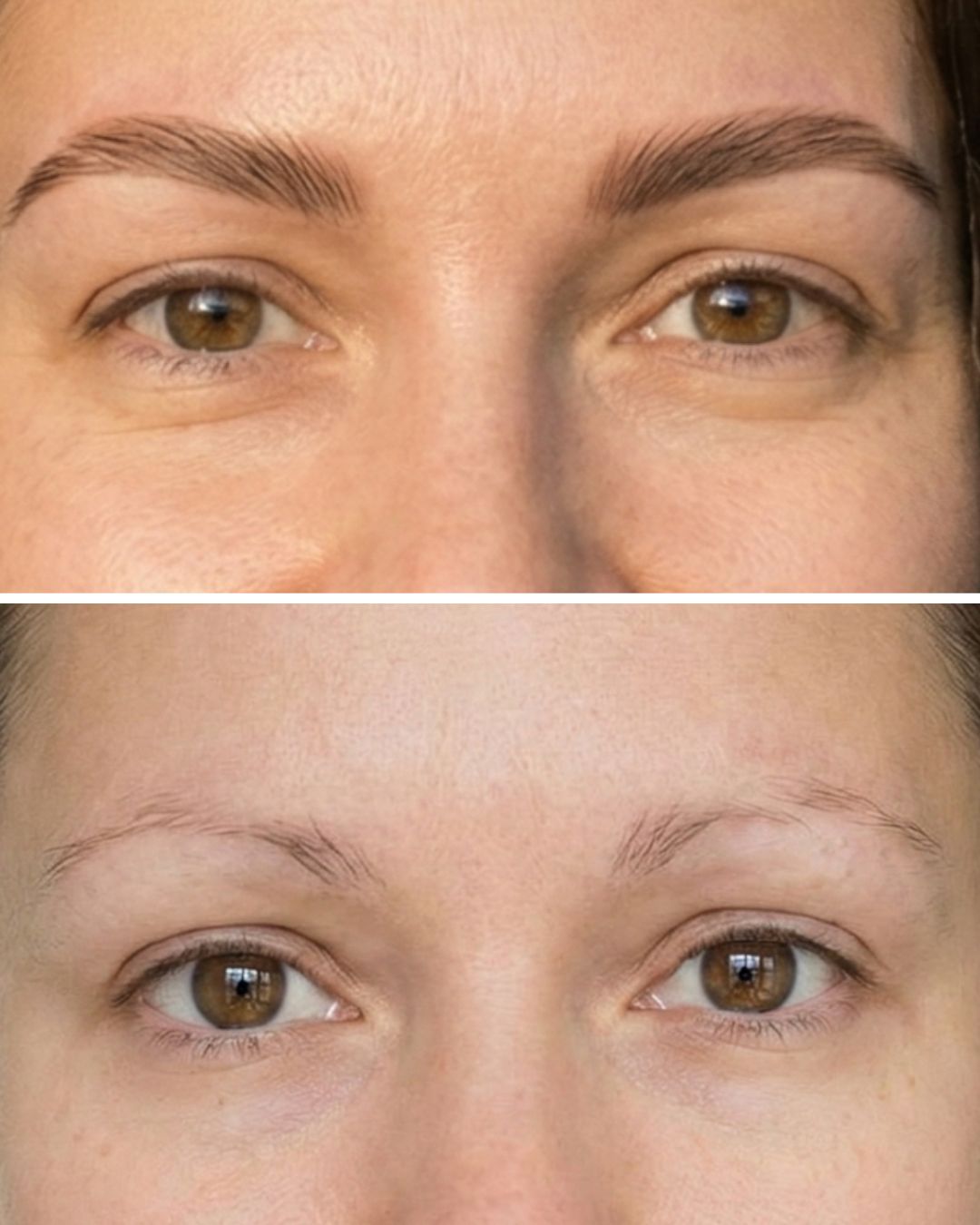
Ideal candidates for eyebrow transplants are typically those with sparse eyebrows due to genetics, injury, or habits such as over plucking. They should be in good general health and have realistic expectations about their eyebrow shape. As evidenced by a patient of Texas Facial Aesthetics, eyebrow transplants can result in increased density without the need for tattooing.

Before considering an eyebrow transplant, it’s crucial to have a thorough consultation with a hair restoration specialist. This step ensures you grasp the procedure and its implications fully.

During the consultation, the surgeon examines your brows and skin, reviews your health history, and discusses your aesthetic goals. This evaluation helps tailor a customised treatment plan aligned with your desires for brow density and shape. By personalising the approach, we ensure natural-looking results that meet your expectations, paving the way for the fuller, more defined brows you desire.

Transplanted follicles are taken from areas genetically resistant to hair loss. Once established, they typically continue to grow in their new location. However, underlying medical conditions affecting hair loss should be properly assessed before treatment.

Dr Alam
Every patient deserves care that feels personal.

At Aventus Clinic, our focus is always on you. Your goals, your comfort, and your safety. Every treatment plan is designed with precision and compassion, so you can feel confident in both your results and your journey with us.

RECOVERY

Eyebrow Transplant Recovery & Growth

Here’s what to expect in the weeks and months following a eyebrow transplant:

1 Week

Mild redness, swelling, and small scabs may appear around the transplanted hairs. Any discomfort fades quickly, and most patients resume normal routines within a few days.

1 Week

2 Weeks

Swelling and redness ease, while some transplanted hairs naturally shed. This is part of the normal growth cycle as new follicles begin to form beneath the skin.

2 Weeks

1–4 Months

The donor area fully heals and hair begins to regrow. Brows may appear patchy as new hairs start to grow at different rates, gradually filling in over time.

1–4 Months

6 Months

You will begin to notice greater evenness and uniformity of growth in the recipient area, and the new hairs will begin to look thicker.


6 Months

9-12 Months

You will notice further thickening during this time, as your hair continues to grow longer, stronger and darker.

9-12 Months

12-18 Months

The final results of the procedure will become visible during this time, as the transplanted hairs reach full maturity.

12-18 Months
FAQ'S

Eyebrow Transplant FAQs

An eyebrow transplant in the UK can cost anywhere from £2,500 to £7,000, depending on individual needs, the provider, and location. Prices vary based on these factors.

Eyebrow transplants are a permanent solution using the FUE technique, and they can last a lifetime, with noticeable growth at 4-6 months and final cosmetic result at around 10 months.

Yes, because the transplanted follicles come from the scalp, they will continue to grow hair in the eyebrow region. This means the new hairs may grow longer than natural eyebrow hair and may require regular trimming to maintain a desired length.

You may not be a good candidate for an eyebrow transplant if you have conditions such as trichotillomania or alopecia areata, which involve hair loss. These conditions can impact the success of the transplant.

The number of grafts required varies according to the area of thinning and the desired thickness and shape of your eyebrows. During consultation, a clinician will evaluate your eyebrow area and donor hair to estimate how many follicles are needed to achieve your goals.

The potential risks and side effects of eyebrow transplants include bruising, redness, swelling, scarring, and the possibility of some follicles not producing new hairs. However, with proper aftercare, these risks can be managed effectively.