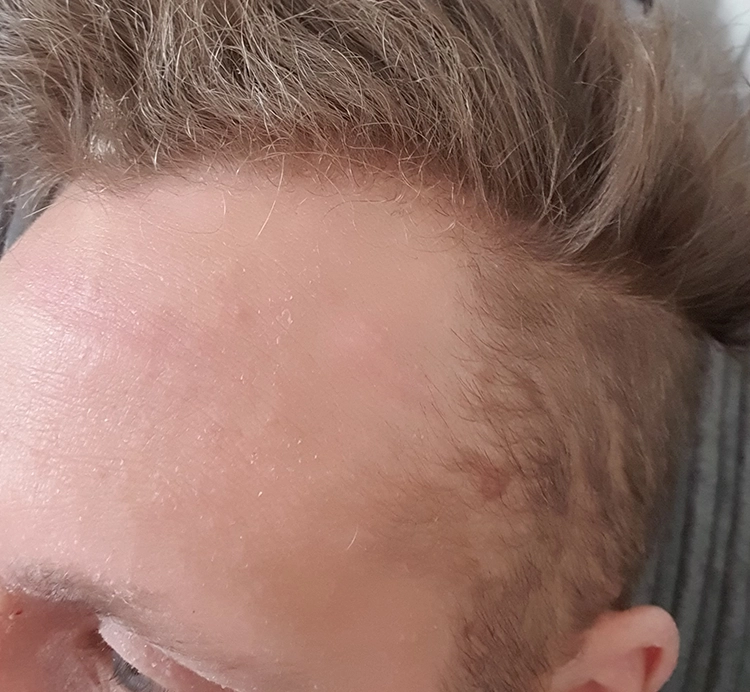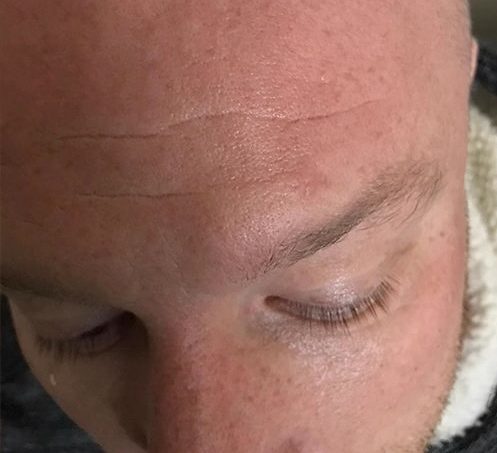



Noticed a small bump or lump on your forehead, a pea-sized cyst above your eyebrows, or a swelling near your temple? At Aventus Clinic, our expert team provides safe, specialist-led removal of forehead cysts, including sebaceous, epidermoid, and dermoid types. We ensure careful assessment, precise treatment, and a smooth, comfortable recovery.
Skip long NHS waiting times. Our specialists offer same-day consultations and removal procedures for forehead cysts, using modern, minimally invasive techniques that prioritise safety and comfort.
Our focus is on minimal scarring and excellent cosmetic results. With attentive aftercare, you can be confident your treatment and recovery are fully supported.
At Aventus Clinic, we offer clear, upfront pricing for forehead cyst removal. There are no hidden fees, and your consultation will outline all costs and treatment options, helping you make an informed decision.
A clear guide to your visit, from initial assessment to post-treatment care.
Share clear photos of any bumps, pea-sized lumps, or swelling on your forehead via our secure online form. A specialist will review your images and advise if an in-clinic consultation is necessary.
If further assessment is needed, you’ll visit the clinic for a thorough examination. Our clinicians will identify the type of cyst such as sebaceous, epidermoid, or dermoid, and recommend the safest, most effective removal method .
Post-procedure, you’ll receive detailed guidance on caring for the treated area. Our team provides support throughout your recovery to ensure smooth healing, natural-looking results, and answers to any questions.
Discreet, doctor led treatment in a state of the art clinic designed around your comfort.
Consultant Plastic Surgeon
Consultant Dermatologist
“My mission is simple. To deliver natural results that restores confidence and changes lives.“
Voted Specialist Hair & Skin Clinic of the Year
Independent quality inspection
“My mission is simple. To deliver natural results that restores confidence and changes lives.“
Trusted by thousands across the UK.
From consultation to treatment, you’ll be supported by a medical-led team dedicated to delivering safe and effective results.
Forehead cysts are small, benign lumps that develop under the skin of the forehead. They may be epidermoid, sebaceous, or dermoid in type. While usually harmless, these cysts can become noticeable or uncomfortable, especially if they grow, stretch the skin, or are in a visible area.
Cysts on the forehead often develop when skin cells, keratin, or oil become trapped beneath the surface. Sebaceous cysts form when an oil gland within a hair follicle becomes blocked, while epidermoid cysts occur when skin cells are trapped under the skin. Dermoid cysts are congenital, present from birth, and may contain skin, hair, or other tissue.
Removal is recommended if a cyst is growing, causing discomfort, inflamed, or cosmetically concerning. Early removal ensures a smaller, cleaner scar and reduces the risk of infection or recurrence.
Yes. The procedure is performed under local anaesthetic by experienced specialists. The cyst and its lining are carefully removed to minimise recurrence, and the treatment is generally quick, safe, and well-tolerated.
All surgical procedures carry some risk of scarring, but expert removal focuses on fine incisions and careful technique. Most patients experience minimal, discreet scarring that blends naturally with the surrounding skin.
Yes. Occasionally, a forehead cyst can become red, swollen, or tender if irritated or infected. Prompt assessment by a medical professional is important to prevent further complications.
Cyst Types
Our doctors safely treats all common types of forehead cysts. Procedures are performed to minimise scarring, reduce the risk of recurrence, and ensure a comfortable experience.
A benign, slow-growing lump located just under the skin. These cysts contain keratin and are usually painless, but may become noticeable or affect appearance as they enlarge over time.
Develops when an oil gland in a hair follicle becomes blocked, causing a smooth, firm lump. It can become tender or inflamed if irritated, but professional removal is straightforward and minimises scarring.
A congenital cyst that forms during development and is present from birth. Dermoid cysts may contain skin, hair follicles, or other tissue, and can become more noticeable with age.
This before and after comparison shows the difference our forehead cyst removal treatment can make. From your initial consultation to recovery, our specialist team at Aventus Clinic ensures the procedure is safe, discreet, and effective.
The results highlight how quick and comfortable the treatment is, giving you peace of mind and the confidence to take the next step toward a smooth, clear forehead.
No. Attempting to remove a cyst at home can lead to infection, scarring, and recurrence. Professional excision ensures the entire cyst sac is removed safely.
Yes. Dermoid cysts, which are often present from birth and may contain skin or hair tissue, are usually removed with a carefully planned surgical approach to ensure safe excision and minimal scarring.
A small, firm lump on the forehead is often a benign cyst, such as an epidermoid, sebaceous, or dermoid cyst. While generally harmless, any new, persistent, or rapidly growing bump should be examined by a specialist to rule out other conditions.
Not necessarily. Slow-growing, asymptomatic cysts do not always require treatment. However, removal may be recommended if the cyst is enlarging, causing discomfort, or affecting appearance. Early treatment generally results in a smaller, cleaner scar.
During consultation, a clinician examines the lump and considers medical history and, if necessary, imaging. Identifying the cyst type, epidermoid, sebaceous, or dermoid, helps determine the safest and most effective removal method.
Cysts can develop from blocked hair follicles, skin trauma, or minor injuries. Some people may also have a genetic tendency to form cysts in certain areas of the face or body.
Yes. Dermoid cysts, which are present from birth, can contain a mixture of tissues such as skin, hair follicles, and sometimes fat. These are different from more common sebaceous or epidermoid cysts.