






Eyelid skin tags are benign (non-cancerous) growths that dermatologists remove using snip excision, cryotherapy (freezing), or electrocautery. Because the eyelid is a delicate and functional area, removal is performed under local anaesthetic with careful protection of the eye to ensure safety and optimal cosmetic results.
Skin tags on the eyelid are common and typically harmless, but their location requires accurate diagnosis and precise treatment. The eyelid contains thin, highly mobile skin that plays a critical role in protecting the eye and maintaining normal tear function. Even small lesions must therefore be assessed carefully.
Dermatologists follow a structured approach:
- Confirm the lesion is benign and not another eyelid condition
- Assess whether removal is clinically necessary or elective
- Select a technique that minimises trauma and scarring
- Protect surrounding structures, including the eye itself
Although removal is usually quick, the eyelid is not suitable for self-treatment. Professional care ensures both safety and correct diagnosis.
What is a skin tag on the eyelid?
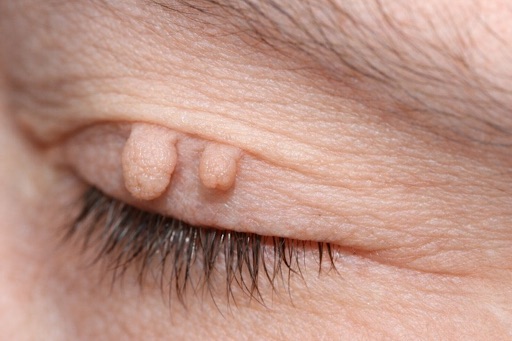
A skin tag, or acrochordon, is a benign growth composed of loose collagen fibres and small blood vessels. On the eyelid, these lesions usually appear as soft protrusions attached by a thin stalk or small base.
They are typically:
- Flesh-coloured or slightly pigmented
- Soft and compressible
- Smooth or mildly wrinkled
- Stable and slow-growing
Eyelids are prone to skin tags because of constant blinking, friction, and minor irritation. While harmless, they may become noticeable due to their location or cause irritation if they come into contact with the eye.
Clinical evidence has also identified associations between multiple skin tags and metabolic conditions such as insulin resistance and type 2 diabetes. This does not apply to every case, but it may be relevant when multiple lesions are present.
Risk Factors and Causes
Eyelid skin tags develop through a combination of mechanical friction and biological factors. Repeated movement and skin contact play a central role, particularly in areas with thin or folded skin.
Key contributing factors include:
- Age-related changes in skin structure
- Genetic predisposition
- Obesity and increased skin folds
- Insulin resistance and diabetes
- Metabolic syndrome
- Hormonal influences such as pregnancy
- Chronic rubbing due to allergies or irritation
These factors often act together, which explains variation between individuals.
When should an eyelid skin tag be removed?
Many eyelid skin tags do not require treatment. However, removal is recommended when the lesion affects comfort, function, or raises diagnostic concern.
Medical indications include:
- Recurrent irritation or bleeding
- Contact with the eye surface causing discomfort
- Interference with vision
- Pain or inflammation
More urgent evaluation is required if the lesion:
- Changes in size, shape, or colour
- Grows rapidly
- Appears irregular or atypical
Cosmetic removal is also common, particularly given the visibility of the eyelid. A dermatologist can determine whether removal is appropriate and which method is safest.
Dermatologist removal methods for eyelids
The specific removal method depends on the skin tag’s size, stalk width, proximity to the eyeball, and patient comfort. Dermatologists select techniques carefully to ensure safety in the delicate eyelid area.
Snip removal
Sterile surgical scissors excise small clearly defined tags after numbing the area with topical or injected local anaesthetic. Dermatologists control minor bleeding through pressure or chemical cautery, completing removal within minutes for simple pedunculated growths with narrow stalk attachments.
Cryotherapy
Freezing techniques using liquid nitrogen or forceps chilled in liquid nitrogen provide safe inexpensive effective removal near sensitive structures including around eyes. The freeze thaw cycle destroys tissue causing blister formation or scab development before the tag falls off naturally over one to two weeks.
Electrocautery or electrodessication
Heat-based removal around eyelids uses topical anaesthetic, forceful eyelid closure, gentle traction, and controlled electrodessication reducing involuntary eyelid movement during precise tissue destruction. This method provides excellent control for tags close to eyelid margins where bleeding control and tissue preservation matter most.
What makes eyelid removal different
Dermatologists protect the eyeball using shields or careful patient positioning and reduce involuntary blinking through topical anaesthetics or patient cooperation. They also select the least traumatic removal method to minimise scarring risk and post-procedure irritation. Eyelid skin heals well but requires gentler technique than body locations where tissue trauma causes fewer complications. The thin mobile eyelid tissue demands precision, avoiding damage to surrounding structures, including eyelashes, tear ducts, and delicate skin, creating visible cosmetic results.Talk to our team about eyelid skin tag removal and the specific technique best suited to your growth location, size, and individual healing characteristics.
Recovery After Eyelid Skin Tag Removal
Normal healing includes mild scab formation, slight redness fading within one to two weeks, and temporary tenderness. Aftercare involves gentle washing, avoiding harsh products, applying petroleum jelly if advised, and protecting the area from rubbing or makeup during recovery.
The following practices that you can follow after eyelid skin tag removal help promote proper healing and reduce complications:
- Keeping the removal site clean through gentle twice daily washing with mild fragrance free soap and lukewarm water
- Avoiding touching, picking, or rubbing the healing area because mechanical disruption increases scarring and infection risks
- Applying antibiotic ointment if prescribed by your dermatologist to prevent bacterial colonization during vulnerable healing phases
- Skipping eye makeup, lotions, and skincare products near the site until complete healing occurs and the dermatologist approves resumption
- Protecting healing tissue from direct sun exposure using sunglasses or gentle sunscreen once initial scabbing resolves
These simple measures prevent most complications and support cosmetically favourable outcomes in the thin visible eyelid region.
Can eyelid skin tags come back
Skin tags that are removed typically do not regrow from the same location when excision removes the complete growth, including stalk and base attachments.
New skin tags can develop later at different eyelid locations or nearby areas if the same risk factors, including friction, metabolic conditions, or genetic predisposition continue affecting skin behaviour.
Studies examining growth factors in skin tags found stronger local growth signalling and genetic associations, suggesting biological mechanisms driving new tag formation rather than incomplete removal causing recurrence.
Prevention strategies include:
- Reducing eyelid friction through gentle cleansing
- Avoiding excessive rubbing
- Managing weight and metabolic health
- Addressing underlying diabetes or insulin resistance
- Treating allergies or irritation to reduce chronic inflammation
Research linking skin tags to diabetes risk concluded patients with multiple skin tags showed higher diabetes prevalence, recommending screening for impaired carbohydrate metabolism when numerous tags appear across body sites.
Prevention and risk reduction
Although it is not always possible to prevent skin tags entirely, certain measures may help reduce their likelihood. Minimising repeated friction on the eyelids, for example by avoiding excessive rubbing, can be beneficial. Managing underlying conditions such as diabetes or insulin resistance may also reduce risk.
Maintaining overall skin health through gentle skincare practices and addressing sources of irritation, such as allergies, can further support prevention. In individuals with multiple skin tags, consideration of metabolic health may be appropriate as part of a broader clinical assessment.
Conclusion
Eyelid skin tags are usually harmless but need professional assessment, as the delicate eye area can host growths mimicking other conditions. Dermatologists safely remove them, confirming diagnosis, choosing proper techniques, and providing aftercare for optimal cosmetic results.
Contact us today to book your skin tag removal consultation for safe eyelid evaluation and expert removal using techniques protecting vision and minimising scarring risks.
FAQs
Is skin tag removal on the eyelid painful?
Usually only mild discomfort occurs because dermatologists numb the area with topical or injected anaesthetic and keep procedures brief, lasting just minutes for simple removals.
Do dermatologists remove eyelid skin tags in one visit?
Often yes, because office treatment commonly completes in single appointments when diagnosis appears certain and patient tolerates the brief procedure without complications.
Will removing a skin tag leave a scar?
Scarring risk remains low when dermatologists treat growths carefully using appropriate techniques, though eyelid locations need precise handling to protect surrounding delicate visible skin.
Are eyelid skin tags dangerous?
Usually no, though anything new, changing, painful, or unusual deserves checking because other eyelid lesions, including warts, moles, and skin cancers, can appear similar.
Can I remove a skin tag on my eyelid at home?
No, because home removal products risk bleeding, infection, scarring, or missed diagnosis when other conditions mimic skin tag appearance, requiring professional evaluation.
Medical Disclaimer: This content is for general information only and does not replace medical advice. Any new, changing, or concerning eyelid lesion should be assessed by a qualified healthcare professional. Do not attempt self-removal.

Seek professional assessment for any concerning or changing eyelid skin tag. Safe diagnosis and precise removal with optimal cosmetic results.
 CALL US
 WHATSAPP