




Have you noticed a raised, firm scar that continues to grow or causes discomfort? Keloid scars are an overactive type of scarring that can be itchy, tender, and more prominent than normal scars. At Aventus Clinic, our specialists provide safe, effective and discreet treatment designed to reduce the size of keloids, improve their appearance, and support a comfortable recovery.
At Aventus Clinic, a doctor-led, CQC-registered dermatology centre trusted by patients across Hertfordshire and London, we provide same-day consultations and treatment for keloid scars. Our personalised approach ensures your scar is carefully assessed and treated with the most effective options, including steroid injections, surgical removal, and laser therapy.
Each appointment begins with a detailed assessment of your keloid, its history, and any symptoms such as discomfort, itching, or tenderness. Our specialists then create a tailored treatment plan designed to reduce the scar’s size, improve appearance, and minimise the risk of recurrence.
We provide transparent information about keloid scar removal costs during your consultation, so you can understand your options and make an informed decision. Our team also offers ongoing support to ensure the best possible outcome.
Our specialists guide you from online assessment to in-clinic evaluation and personalised aftercare for your keloid scar.
You can securely upload clear photos of your keloid scar using our online form. A specialist will review them within 24 hours and advise whether an in-clinic consultation is recommended. This confidential service saves you time and gives reassurance about the next steps.
If a closer examination is needed, you’ll be invited to Aventus Clinic for a detailed assessment. Using advanced imaging and expert evaluation, our clinicians carefully assess your scar to determine the most suitable treatment, whether that’s laser therapy, steroid injections, surgical removal, or ongoing monitoring.
After your consultation or procedure, you’ll receive clear, personalised guidance. Our team explains all treatment options and provides support throughout your recovery to ensure it is comfortable, safe, and effective.
Discreet, doctor led treatment in a state of the art clinic designed around your comfort.
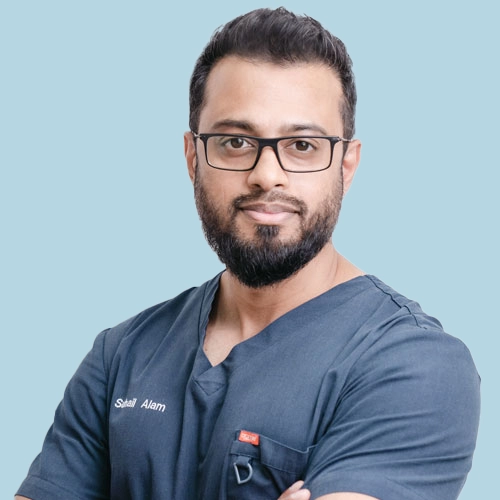
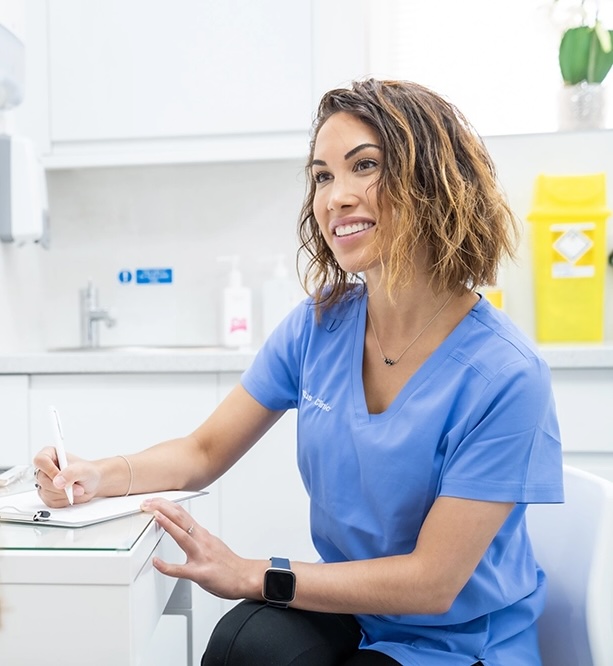
Consultant Plastic Surgeon
Consultant Dermatologist
“My mission is simple. To deliver natural results that restores confidence and changes lives.“
Voted Specialist Hair & Skin Clinic of the Year
Independent quality inspection
“My mission is simple. To deliver natural results that restores confidence and changes lives.“
Trusted by thousands across the UK.
From consultation to treatment, you’ll be supported by a medical-led team dedicated to delivering safe and effective results.
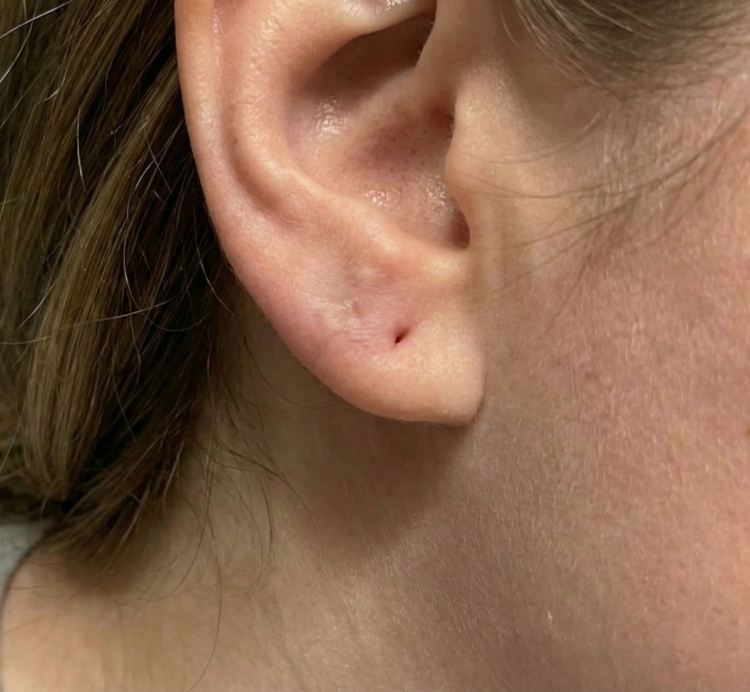
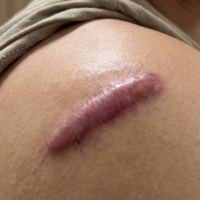
Keloid scars are raised, firm scars that form when the skin produces excess collagen after an injury or trauma. Unlike normal or hypertrophic scars, keloids can grow beyond the original wound and may cause discomfort, itchiness, or tenderness.
Keloids are more common in people with darker skin, areas where the skin heals under tension, and regions such as the ears, chest, shoulders, upper arms, or over joints. They can also develop following surgery, burns, acne, piercings, or small cuts.
Keloids occur when the body’s normal healing process continues unchecked. Cells responsible for healing produce too much collagen, leading to an overgrown scar. This ongoing activity can cause redness, inflammation, itching, and pain.
Yes. Keloid scars can be managed with a variety of methods, including steroid injections, laser therapy, cryotherapy, or surgical removal. Treatment is tailored to the scar’s size, location, and symptoms, often using a combination of approaches for the best results.
There is a risk that keloids may recur, especially after surgery alone. Combining different treatments and following a personalised aftercare plan can help reduce the likelihood of recurrence and improve the scar’s appearance over time.
Keloid Scar
At Aventus Clinic, we provide a range of treatments to help manage and improve the appearance of keloid scars. Your specialist will assess your scar and recommend the most suitable approach based on its size, location, and stage of development.
Steroid injections are delivered directly into the scar to reduce inflammation, soften tissue, and flatten the keloid.
Silicone products applied daily help soften and flatten the scar, reduce redness, and relieve itchiness.
Cryotherapy with liquid nitrogen can shrink small keloids, often combined with steroid injections.
Improves texture, reduces redness, and can help flatten keloids, often used alongside other treatments.
Removal of larger keloids is combined with steroid, silicone, or pressure therapy to lower recurrence risk.
Pressure garments and proper aftercare, such as sun protection and moisturising, support healing and help prevent recurrence.
Get expert assessment and treatment for keloid scars at our Hitchin, Hertfordshire clinic. Our clinicians provide a detailed evaluation and recommend the most effective treatment options to help reduce thickness, improve comfort, and enhance the appearance of your scar.
It’s a personal decision. If the lesion is benign but you find it unattractive or it causes irritation (e.g. catches on clothes), removal is a valid option. A qualified clinician should assess it first to ensure it’s safe to remove.
Keloids can develop on any part of the body, but they are most commonly seen on the chest, shoulders, chin, neck, ears, and lower legs. Scars near joints may also cause discomfort or make movement difficult.
Keloids form when the skin produces too much collagen during the healing process. People are more at risk if they are of South Asian, Chinese, African Caribbean, or Black African descent, aged between 10 and 30, pregnant, or have had keloids before. Any injury to the skin, including cuts, burns, surgery, acne, or piercings, can trigger keloid formation.
There is no guaranteed way to prevent keloids. However, avoiding tattoos and piercings if you are prone, and seeking early treatment for acne or minor injuries, may help reduce the risk of keloid formation.
Yes. A pre-operative consultation is required for all patients. This allows your clinician to assess the keloid, explain the most suitable treatment options, discuss expected results, and provide a personalised quote.
Yes. Our clinicians are experienced in treating keloids across all skin types and tones, and will tailor your treatment plan to suit your skin’s needs.
Most patients experience very little downtime. You may notice mild swelling or tenderness for a few days, and wound care may be required following surgery. Your clinician will provide personalised aftercare instructions.