






Itchy red scalp spots can stem from psoriasis, dermatitis, eczema, fungal infections, or allergic reactions. Treatment depends on proper diagnosis and may include medicated shampoos, prescription creams, or lifestyle changes.
Red, itchy spots on your scalp demand attention. They can disrupt daily life and cause embarrassment due to visible flaking or constant scratching. Proper identification of the cause is necessary for effective treatment and relief. Many scalp conditions share similar symptoms but require different approaches to manage.
Key Takeaways
- Most itchy red scalp spots result from common conditions like psoriasis, seborrheic dermatitis, or allergic reactions that can be effectively managed with proper treatment.
- Identifying triggers such as stress, hair products, or weather changes is crucial for preventing flare-ups and managing symptoms long-term.
- See a dermatologist if symptoms persist beyond two weeks, cause hair loss, or show signs of infection for accurate diagnosis and targeted treatment.
Table of Contents
What Do Red Itchy Spots on the Scalp Mean?
Red, itchy spots on your scalp typically indicate inflammation or irritation of the skin. This reaction occurs when your scalp responds to internal or external triggers. The spots may appear as raised bumps, flat patches, or scaly areas that can feel tender to the touch.
These symptoms rarely signal serious health concerns, but they can significantly impact your comfort and confidence. Most cases stem from common skin conditions that affect the scalp’s natural balance.
The pattern, appearance, and accompanying symptoms often provide clues to the underlying cause. Some conditions produce distinct circular patches, while others create widespread redness with flaking.
Common Causes of Itchy Red Scalp Patches
Several scalp disorders can produce redness, scaling, or itching, but each has distinct patterns and triggers. The following are the most common medical causes of red itchy scalp patches.
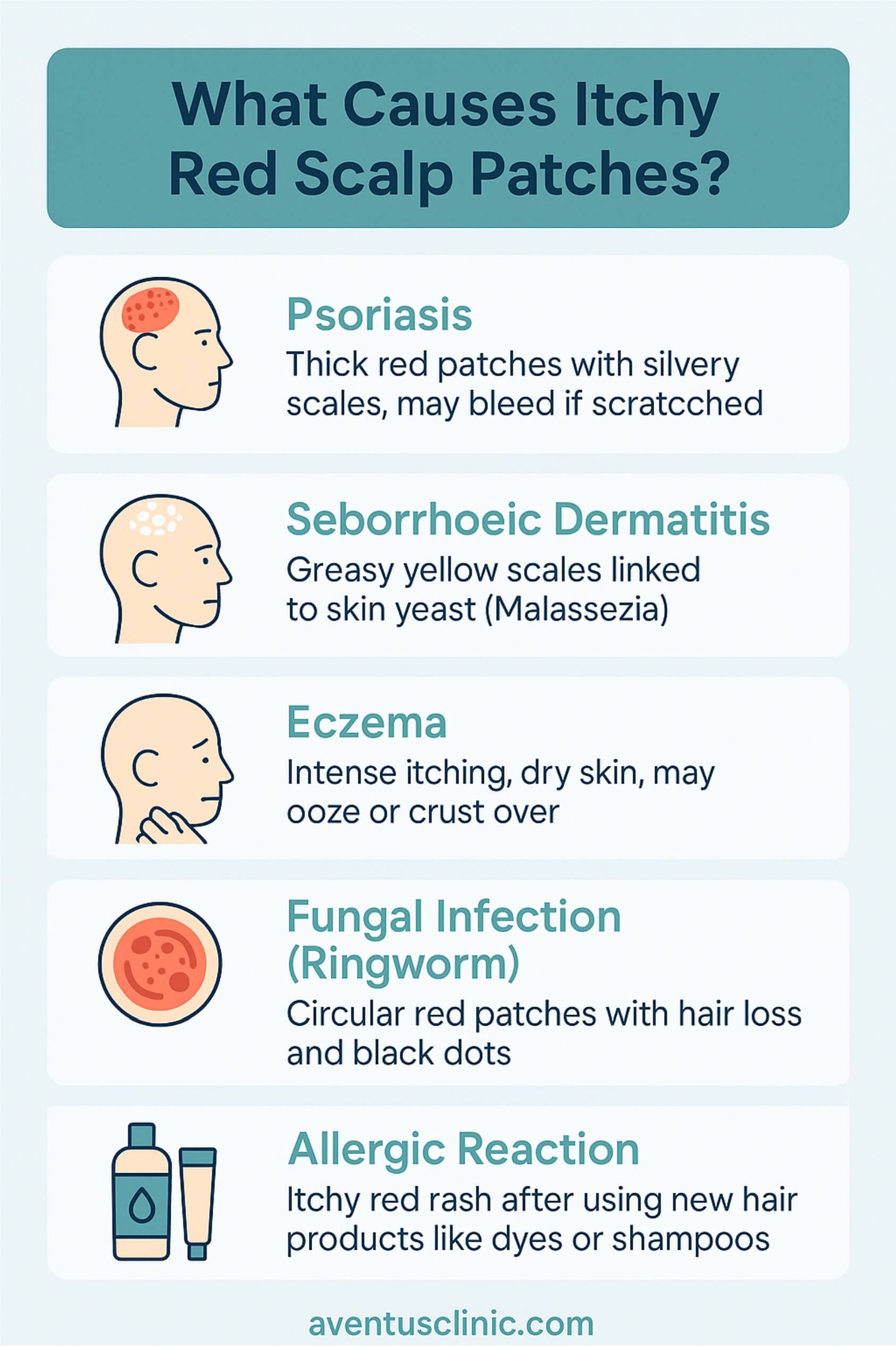
Psoriasis
Scalp psoriasis creates well-defined red patches covered with silvery-white scales. This autoimmune condition speeds up skin cell growth, causing cells to build up rapidly on the scalp surface.
The patches often extend beyond the hairline and can feel intensely itchy. Unlike some other scalp conditions, psoriasis patches tend to be thicker and more clearly defined. They might bleed slightly if scales are removed.
About 50% of people with psoriasis experience scalp involvement. The condition tends to flare periodically with periods of improvement followed by worsening symptoms.
Seborrhoeic Dermatitis
Seborrhoeic dermatitis produces red, greasy-looking patches with yellowish scales. This common condition affects areas rich in oil glands, with the scalp being a primary target.
The British Association of Dermatologists notes that this condition often causes dandruff and can make the scalp feel itchy and sore. It’s believed to be linked to a yeast called Malassezia that naturally lives on our skin.
Unlike psoriasis, seborrhoeic dermatitis patches appear more yellow-toned and greasy rather than dry and silvery. The condition typically affects the hairline, behind the ears, and the central scalp.
Eczema
Scalp eczema creates intensely itchy, inflamed patches that may ooze or crust over. This chronic inflammatory skin condition often appears alongside eczema on other body parts.
The scalp becomes extremely sensitive, and scratching can lead to thickened, leathery skin. People with eczema often have very dry skin and may experience flare-ups during stress or exposure to irritants.
The main difference between eczema and other scalp conditions is the intense itch and the potential for clear fluid weeping from affected areas.
Fungal Infection
Fungal infections like tinea capitis (scalp ringworm) cause circular, red, scaly patches that may include hair loss. Despite its name, no worms are involved; the term comes from the ring-like appearance of the rash.
These infections spread through direct contact with infected people, animals, or contaminated items. Children are particularly susceptible to scalp ringworm.
Fungal infections often feature a more distinct border than other scalp conditions and may show small black dots where hair has broken off at the surface.
Allergic Reaction
Allergic contact dermatitis on the scalp appears as red, intensely itchy areas that develop after exposure to an allergen. Common triggers include hair dyes, shampoos, conditioners, and styling products.
The reaction typically begins within hours or days after exposure. The scalp may feel burning or stinging alongside the itchiness, and tiny blisters might form in severe cases.
Unlike other scalp conditions, allergic reactions often have a clear timeline connected to using a new product.
Symptoms to Watch For
Beyond the obvious red spots and itching, several other symptoms might accompany scalp conditions:
| Symptom | Possible Indication | When to Be Concerned |
|---|---|---|
| Flaking or scaling | Most scalp conditions | Large amounts or yellow crusting |
| Hair loss | Fungal infections, severe seborrhoeic dermatitis | Patches larger than a coin |
| Pain or tenderness | Infection or severe inflammation | Intense pain or spreading redness |
| Swollen lymph nodes | Infection | Any noticeable swelling of neck nodes |
| Fever | Systemic infection | Temperature above 38°C |
Pay attention to the pattern of symptoms. Do they worsen after washing your hair or using certain products? Do they improve with some treatments but not others? These clues help determine the cause.
The location of spots also matters. Psoriasis often appears on the back of the head, while seborrhoeic dermatitis commonly affects the hairline and behind the ears.
What Can Trigger or Worsen the Condition?
Several factors can trigger or intensify scalp conditions. Stress ranks among the most common culprits, potentially worsening psoriasis and eczema flare-ups through its effects on the immune system.
Weather changes also play a significant role, with cold, dry winters often exacerbating scalp dryness and irritation, while humidity can promote fungal growth. Hormonal fluctuations during pregnancy, menopause, or due to medication can increase sebum production, potentially worsening seborrhoeic dermatitis.
Poor hygiene habits might allow build-up on the scalp, but overzealous washing can strip natural oils and worsen irritation. Diet may influence some conditions, with some people reporting that high-sugar or high-dairy consumption worsens their symptoms.
Home Care & Over-the-Counter Options
For mild scalp conditions, several home care strategies can provide relief:
- Gentle cleansing with fragrance-free, hypoallergenic shampoos helps maintain scalp health without further irritation. Look for products labelled for sensitive skin.
- Medicated shampoos contain active ingredients targeting specific conditions:
| Condition | Recommended Ingredient | How It Works |
|---|---|---|
| Seborrhoeic dermatitis | Ketoconazole, selenium sulfide, zinc pyrithione | Reduces yeast on the scalp |
| Psoriasis | Salicylic acid, coal tar | Removes scales, slows cell turnover |
| Eczema | Colloidal oatmeal | Soothes inflammation |
| Fungal infection | Ketoconazole, ciclopirox | Kills fungal organisms |
3. Cool water rinses help reduce inflammation and itching. Avoid very hot water, which can strip natural oils and worsen irritation.
4. Moisturising treatments like coconut or jojoba oil can help hydrate a dry scalp. Apply to damp hair and leave on for 20 minutes before washing out.
Note that home remedies provide temporary relief but might not address the underlying cause of chronic conditions.
When Should You See a Dermatologist?
If you notice any of the signs below, consult a dermatologist in Hertfordshire or your local area.

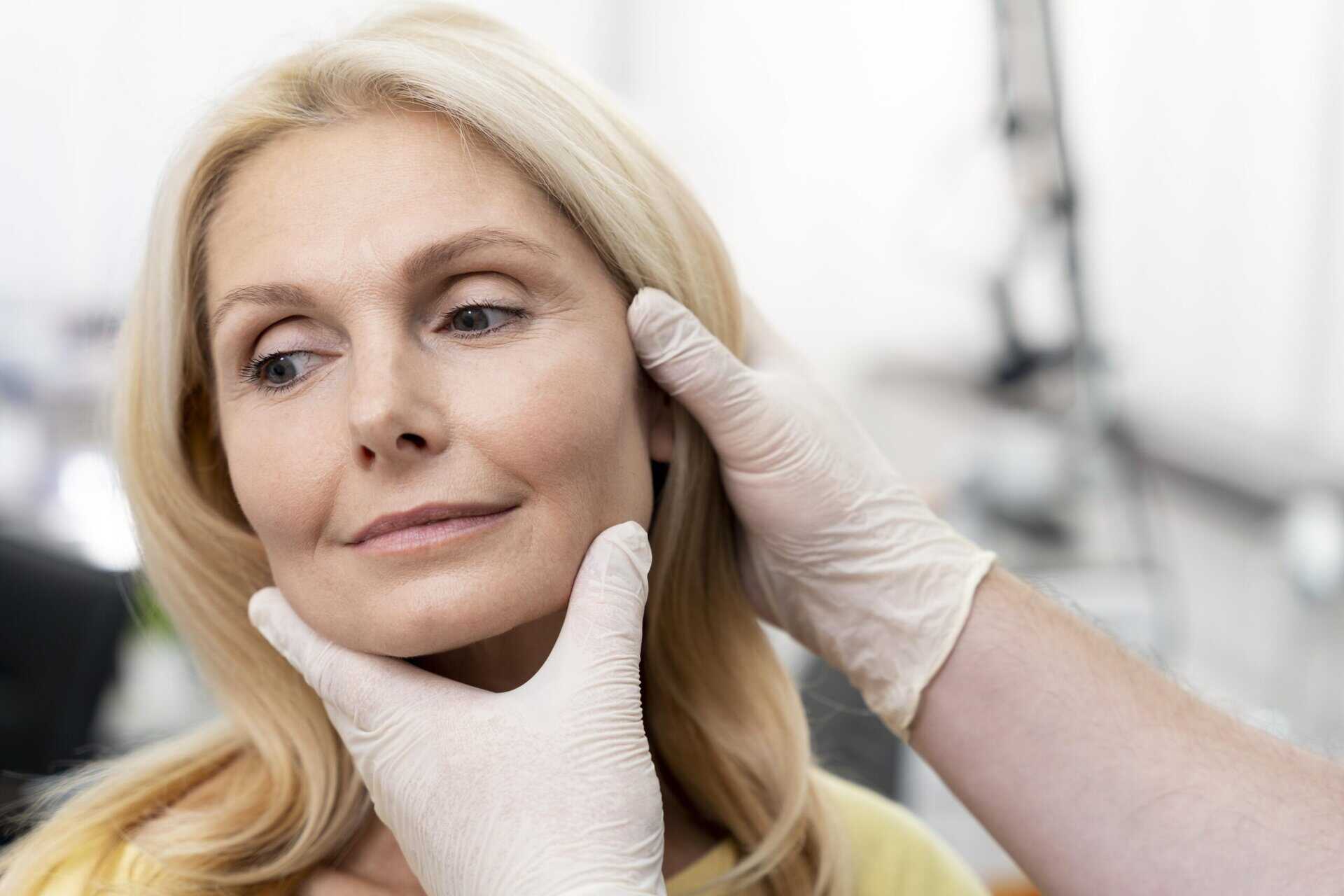
A dermatologist will examine your scalp, possibly taking samples for microscopic examination or culture. They might also perform a small biopsy in cases where the diagnosis remains unclear.
Professional diagnosis ensures you receive the appropriate treatment rather than merely managing symptoms. Many scalp conditions look similar but require different approaches.
Conclusion
Red, itchy spots on your scalp deserve proper attention and care. With the right diagnosis, most scalp conditions respond well to treatment, providing relief and preventing complications. If home remedies aren’t helping, professional care makes all the difference. We offer comprehensive scalp assessments and personalised treatment plans for all scalp conditions. Book a free online assessment today to take the first step toward a healthier, more comfortable scalp.
FAQs
Do itchy red scalp patches always mean infection?
No. While fungal or bacterial infections can cause itchy red patches, most cases result from non-infectious conditions like psoriasis, seborrhoeic dermatitis, or allergic reactions. Only proper diagnosis can determine the exact cause.
Can hair dye or shampoo trigger this condition?
Yes. Hair products often contain potential allergens like parabens, fragrances, PPD in hair dyes, and preservatives that can trigger allergic contact dermatitis, causing red, itchy patches on the scalp.
Is scalp psoriasis lifelong?
Scalp psoriasis is typically chronic with periods of remission and flare-ups throughout life. While not curable, it can be effectively managed with proper treatment, lifestyle adjustments, and trigger avoidance.
Can stress make symptoms worse?
Absolutely. Stress triggers inflammatory responses and can worsen most scalp conditions, particularly psoriasis and eczema. Stress management techniques like meditation or exercise may help reduce flare frequency and severity.
Should I stop using hair products?
Don’t stop all products immediately. Instead, switch to gentle, fragrance-free formulations and reintroduce products one by one to identify potential triggers. Dermatologist-recommended products are often safer for sensitive scalps.
What treatments do UK dermatologists usually recommend?
UK dermatologists typically prescribe topical corticosteroids for inflammation, antifungals for fungal infections, coal tar preparations for psoriasis, and sometimes systemic medications for severe cases. Treatment plans are customised based on specific diagnosis.

Book Free Skin Assessment
Get expert advice and personalised treatment to relieve irritation and protect your scalp.

 CALL US
 WHATSAPP