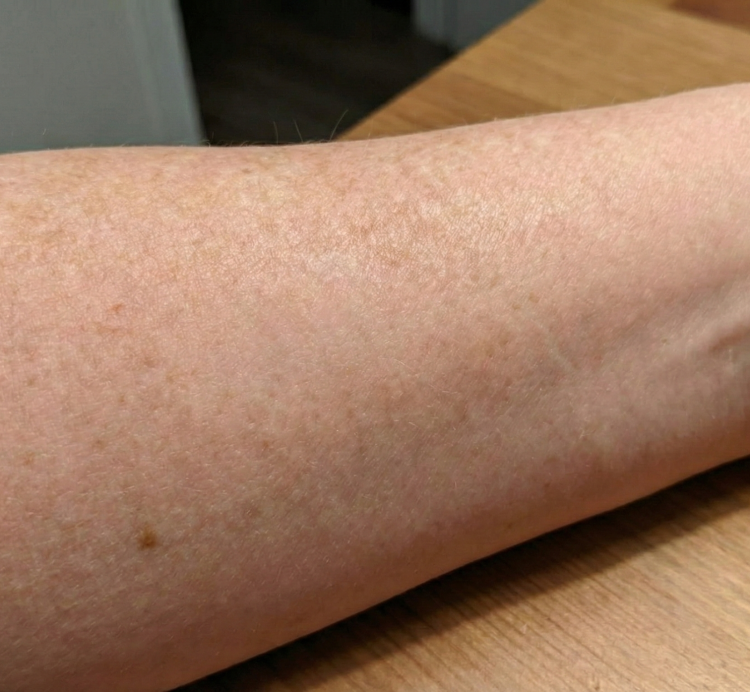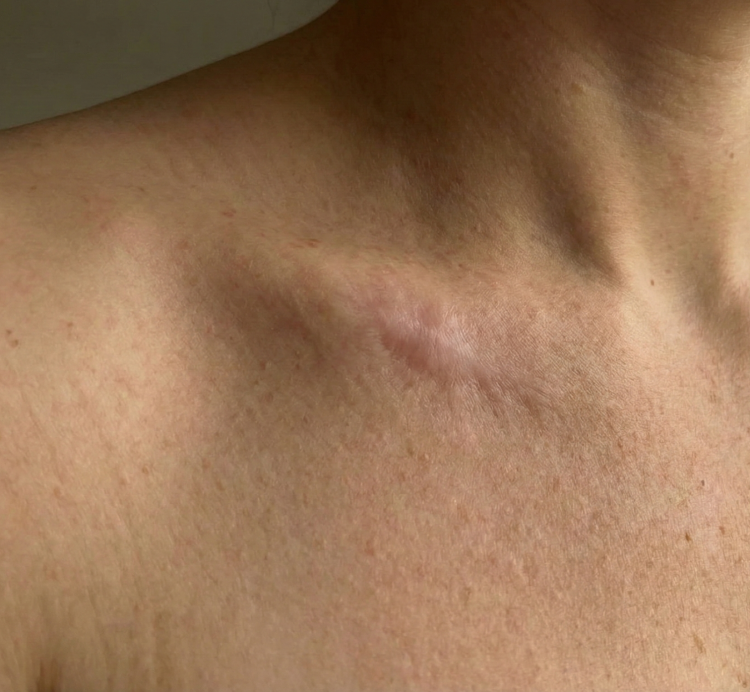





At Aventus Clinic, we provide advanced, consultant-led skin cancer treatment with a strong focus on safe, effective surgical removal. If you’ve been diagnosed with a skin cancer or have a lesion that requires excision, our GMC-registered dermatologists and surgeons offer rapid access to expert care without the need for a GP referral.
At Aventus Clinic, a doctor-led, CQC-registered dermatology and surgical centre trusted by hundreds of patients, we provide rapid, consultant-led skin cancer treatment with safe and effective surgical removal. No GP referral is required, and same-day appointments are available at our Hertfordshire and London clinics.
Our GMC-registered dermatologists and surgeons carry out thorough evaluations and tailor your skin cancer treatment plan to the type of lesion, its location, and your personal needs.
We explain every stage of your treatment, from excision to healing, with advice on follow-up care and cosmetic outcomes, all in a safe, private, and professional environment.
Comprehensive, consultant-led care for the diagnosis and removal of skin cancers.
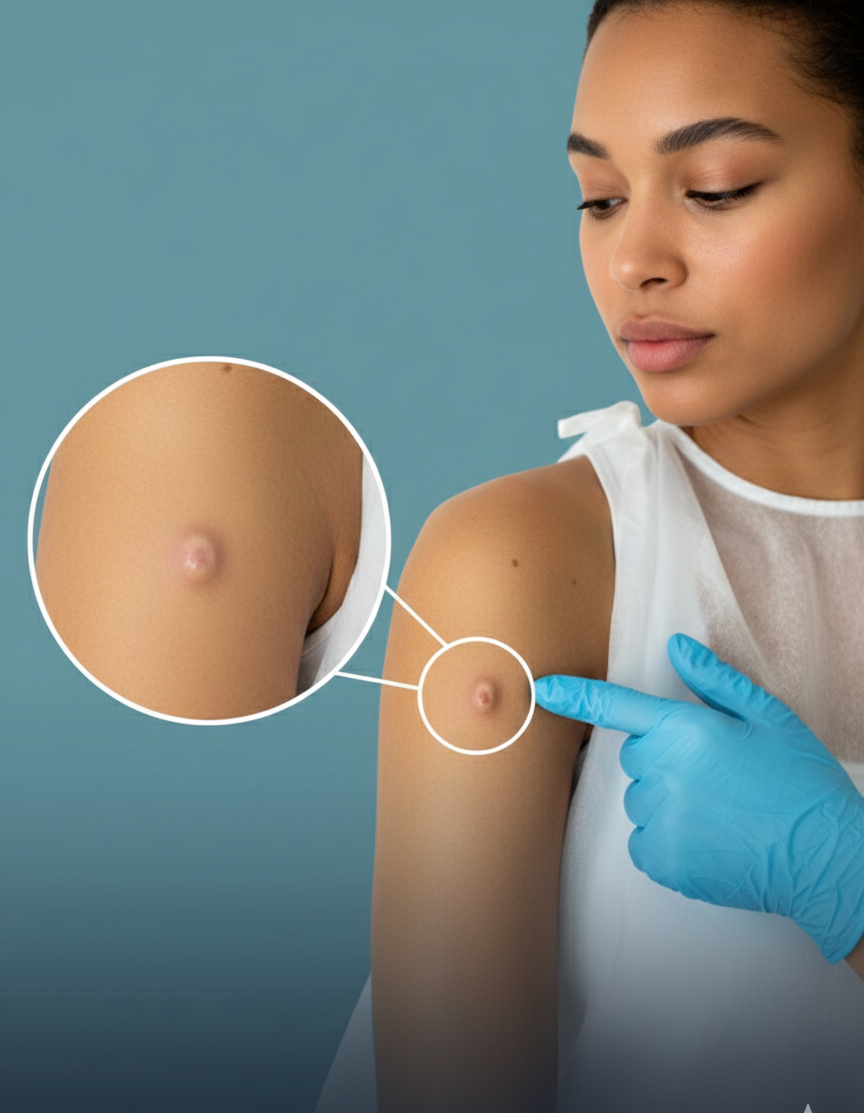
Upload photos of any suspicious mole or lesion through our secure form. A specialist reviews them within 24 hours and advises if an in-clinic consultation is needed. This quick, confidential step provides reassurance and guidance.
If required, attend our London or Hertfordshire clinic for a full, consultant-led examination. Using dermoscopy and advanced imaging, your clinician assesses every area and explains treatment options, including surgical removal if necessary.
Your consultant will explain whether a lesion should be monitored, removed, or biopsied. You will receive a clear treatment plan and ongoing support, so you know exactly what to expect throughout your skin cancer treatment.
Discreet, doctor led treatment in a state of the art clinic designed around your comfort.
Consultant Plastic Surgeon
Consultant Dermatologist
“My mission is simple. To deliver natural results that restores confidence and changes lives.“
Voted Specialist Hair & Skin Clinic of the Year
Independent quality inspection
“My mission is simple. To deliver natural results that restores confidence and changes lives.“
Trusted by thousands across the UK.
From consultation to treatment, you’ll be supported by a medical-led team dedicated to delivering safe and effective results.
A specialist performs a thorough skin examination, often covering the entire body including scalp, palms, soles, and between toes. If a suspicious lesion is found, a biopsy is taken — a small tissue sample examined under a microscope to confirm the type, depth, and severity of the cancer.
Yes. Non-melanoma skin cancers and early-stage melanomas are highly treatable when diagnosed and treated promptly. Early removal significantly reduces the risk of spread and recurrence.
Surgery may leave scars, with size and appearance depending on lesion size and location. Recovery varies: small excisions may allow return to normal activities within days, while larger procedures require longer healing. Non-surgical treatments may cause temporary redness, irritation, or skin changes.
Yes. Regular follow-up appointments monitor healing, detect recurrence, and identify new lesions early. Specialists also provide advice on skin protection and long-term skin health.
Depending on size, depth, and location, multiple lesions can often be treated in a single session. The treatment plan is tailored to each patient.
Untreated skin cancer can grow, invade surrounding tissue, and, in the case of melanoma or aggressive non-melanoma cancers, spread to other parts of the body. Early treatment is critical for best outcomes.
Skin Treatment
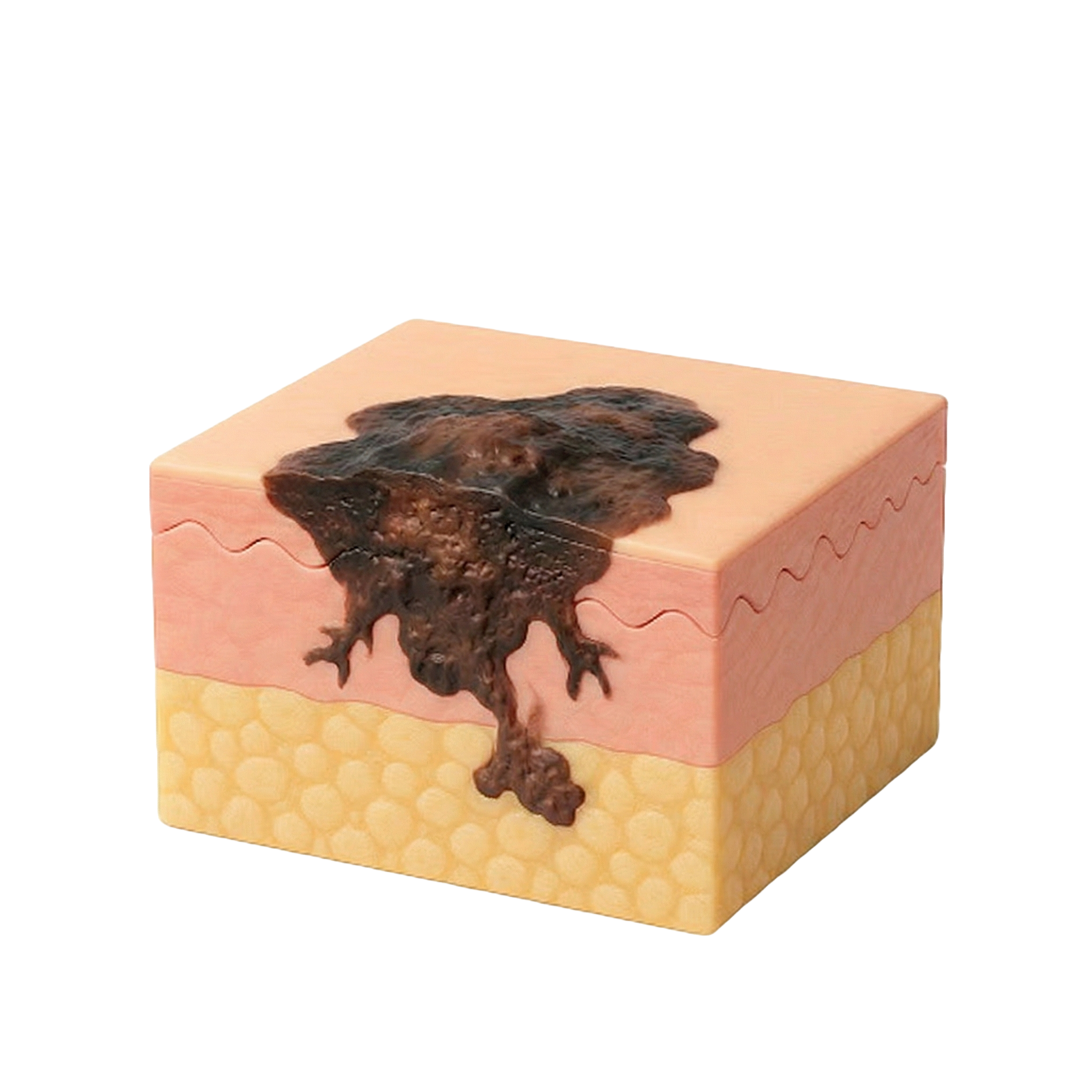
At Aventus Clinic, our specialists provide expert assessment and treatment for all common types of skin cancer, including melanoma and non-melanoma cancers.
A biopsy is usually performed first to confirm the diagnosis and determine the type and depth of the cancer, which helps guide the most effective treatment plan.
Surgery removes the cancer and a small margin of healthy skin under local anaesthetic, sometimes requiring a skin graft or reconstruction.
Radiotherapy uses high-energy rays to destroy cancer cells and is considered when surgery is unsuitable, the cancer covers a wide area, or to reduce the risk of recurrence.
Immunotherapy stimulates the immune system to target cancer cells, with creams like imiquimod for superficial lesions and checkpoint inhibitors for more advanced cases.
Photodynamic therapy applies a light-sensitive drug to the lesion and activates it with a special light to destroy cancer cells, suitable for certain superficial cancers.
Chemotherapy can be applied as a topical cream for superficial lesions or, rarely, given intravenously for aggressive or widespread skin cancers.
At Aventus Clinic, we offer expert skin cancer treatment consultations — our dermatologists and skin-cancer specialists will assess your condition and advise the most appropriate care, including biopsy, surgical removal, or advanced therapies. If an in-clinic appointment is needed, we provide fast, discreet consultations at our London or Hertfordshire clinics. Book your consultation now and take the first step toward effective skin cancer treatment and protecting your skin health.
For many skin cancers, particularly early or non-melanoma types, surgical removal is the main and preferred treatment.
Alternative treatments include radiotherapy, photodynamic therapy, topical creams for chemotherapy or immunotherapy, and cryotherapy depending on the characteristics of the cancer.
Doctors make a decision based on the type of skin cancer, how large or deep it is, its location on the body, whether it has spread, and the patient’s general health.
Yes. Some small or superficial cancers or pre-cancerous skin changes can be treated with topical creams, photodynamic therapy, or cryotherapy instead of full excision.
Non-melanoma skin cancers usually grow slowly and are rarely life-threatening, but they can damage surrounding tissue or cause disfigurement if not treated promptly.
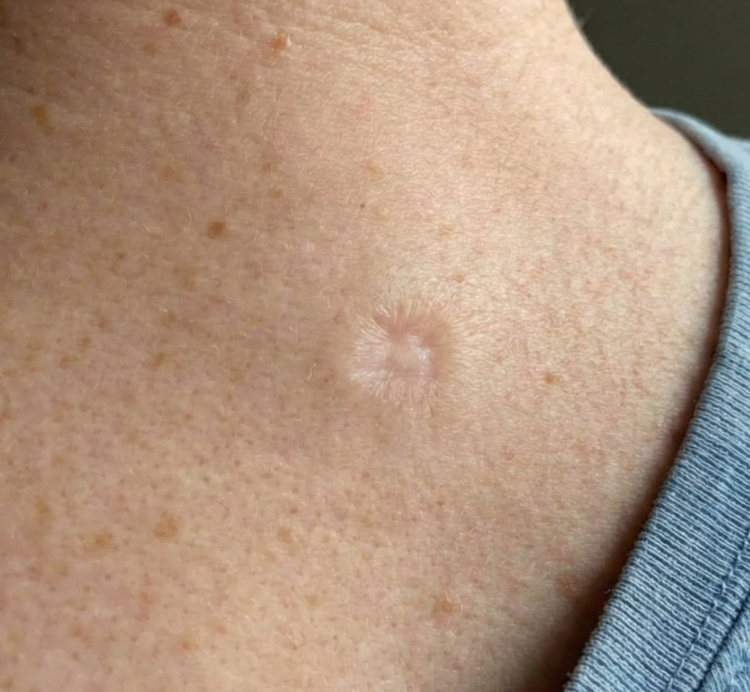
Basal cell carcinoma usually appears as a small, shiny bump or sore that may crust or bleed, while squamous cell carcinoma typically shows as a red, firm nodule or scaly patch on sun-exposed skin.
Yes. Melanoma can form from a mole that changes in colour, shape, or size, though it can also appear as a new dark or irregular patch on the skin.
Yes. Even after successful treatment, skin cancer can recur, which is why regular follow-ups and self-monitoring are essential.