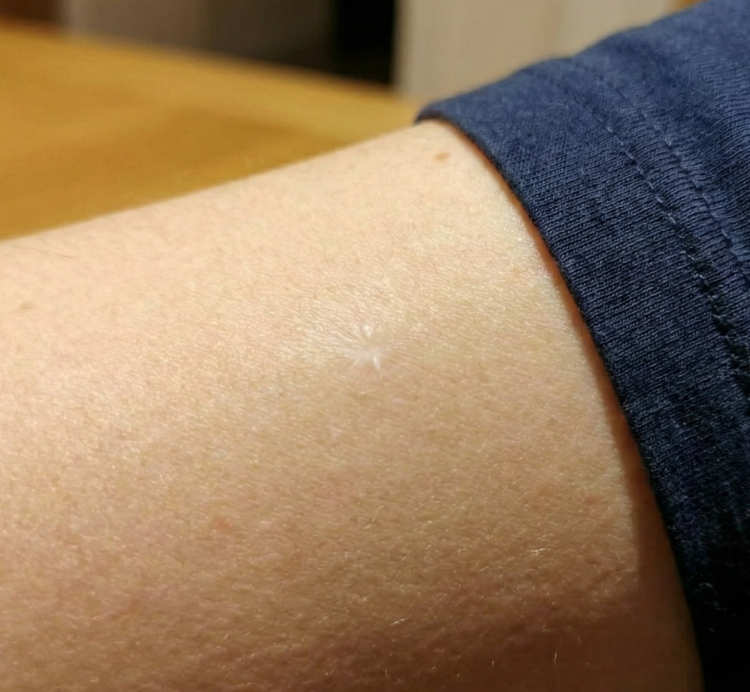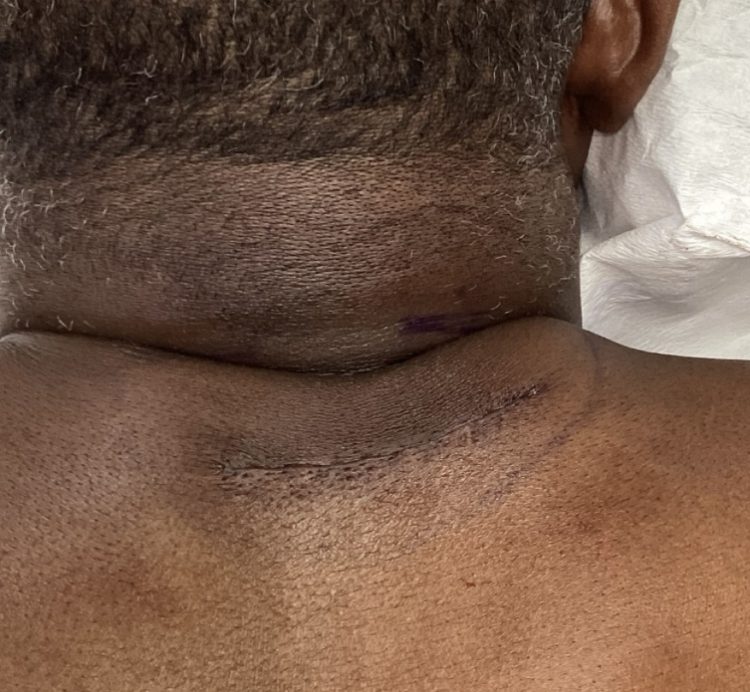




Have you noticed a mole, skin tag, wart, or another skin growth that’s bothering you? At Aventus Clinic, our specialists offer safe and discreet removal of all types of skin lesions. Each appointment starts with a careful check of the growth, followed by a straightforward treatment designed to be comfortable with a smooth recovery.
At Aventus Clinic, a doctor-led, CQC-registered dermatology centre trusted by thousands, we offer same-day consultations and removal of moles, warts, skin tags and other skin growths.
Our procedures are performed using minimally invasive techniques by specialist surgeons or dermatologists, designed for fast healing, minimal downtime and natural-looking results.
We provide clear, honest pricing with no hidden extras and no need for a GP referral. Full aftercare and support are included throughout your treatment journey.
Thorough, doctor-led check of skin lesions, moles, warts, and other common skin concerns.
You can securely upload clear photos of your skin lesion using our online form. A specialist will review them within 24 hours and advise whether an in-clinic consultation is needed. This quick, confidential service saves you time and gives peace of mind.
If a closer look is required, you’ll be invited to Aventus Clinic for a detailed assessment. Using modern imaging and expert evaluation, our clinicians examine your lesion carefully to decide whether removal, monitoring, or further investigation is appropriate.
After your appointment or procedure, you’ll receive clear, personalised guidance. Our team explains all treatment options and provides support throughout your recovery to ensure it is smooth, safe, and as comfortable as possible.
Discreet, doctor led treatment in a state of the art clinic designed around your comfort.
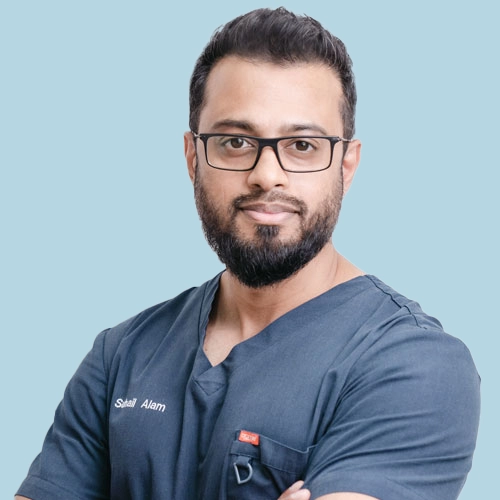
Consultant Plastic Surgeon
Consultant Dermatologist
“My mission is simple. To deliver natural results that restores confidence and changes lives.“
Voted Specialist Hair & Skin Clinic of the Year
Independent quality inspection
“My mission is simple. To deliver natural results that restores confidence and changes lives.“
Trusted by thousands across the UK.
From consultation to treatment, you’ll be supported by a medical-led team dedicated to delivering safe and effective results.
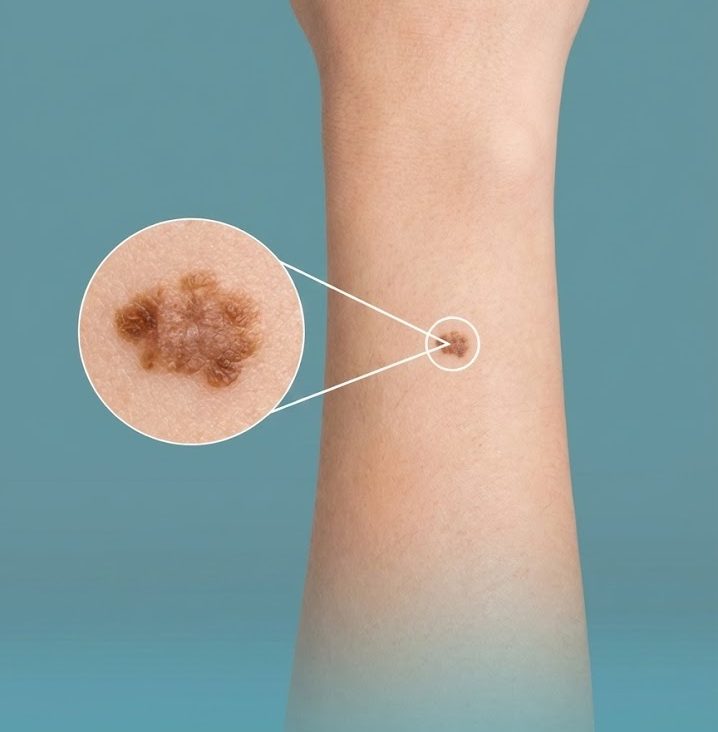
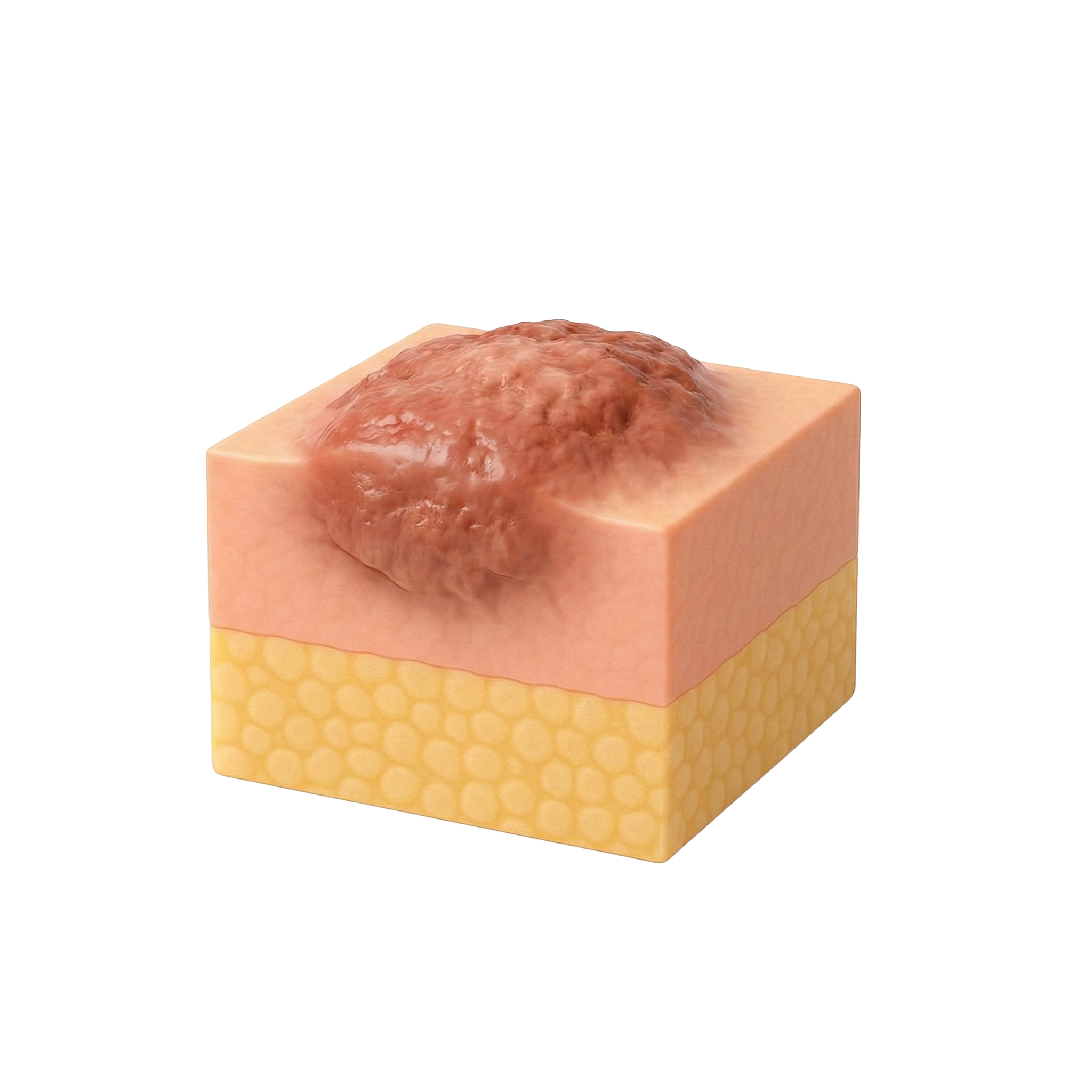
Skin lesions are areas of the skin that appear unusual or develop differently, such as moles, warts, skin tags, cysts and other types of growth. Most are harmless, but some may change over time, become irritated or cause discomfort. It’s important to see a doctor if you notice any new lesions or changes to existing ones, especially if a mole alters in size, shape or colour.
Skin lesions are removed using a minor surgical procedure carried out under local anaesthetic. Depending on the type of lesion, your clinician may perform a shave removal, excision, or cautery. Each method is designed to remove the lesion safely while preserving as much healthy skin as possible. The procedure is usually quick and well-tolerated.
During an excision, the area is numbed with local anaesthetic so you remain comfortable throughout. The clinician carefully removes the lesion along with a small margin of surrounding skin. The wound is then closed with stitches to support smooth healing. The entire process typically takes 20–30 minutes.
You’ll be given clear aftercare instructions to keep the area clean and protected. Most patients simply need to keep the dressing dry, avoid picking at the site, and monitor for any signs of irritation. Stitches, if used, are usually removed after 7–14 days. Our team remains available if you have any questions during recovery.
Recovery times vary, but most patients return to normal activities within 24–48 hours. Any mild swelling or tenderness usually settles within a few days. If stitches are required, full healing can take a couple of weeks. Scarring is generally minimal and improves over time.
Skin lesion removal is a low-risk procedure, but minor side effects such as redness, swelling, or bruising can occur. There is a small risk of infection, bleeding, or scarring, which your clinician will discuss beforehand. Rarely, lesions can recur if not fully removed. Our team takes every step to minimise risks and ensure safe, effective treatment.
Skin Lesions
At Aventus Clinic, we offer a range of treatments to safely remove moles, warts, skin tags, cysts, and other skin growths. Your specialist will assess your lesion and recommend the most suitable approach based on its type, size, and location.
Targets specific lesions, including dermatofibromas or actinic keratoses, for precise and effective removal.
Raised lesions such as skin tags or seborrhoeic keratoses can be shaved off, often combined with heat to stop bleeding.
Liquid nitrogen is applied to destroy warts, small skin tags, or actinic keratoses.
Used to remove small lesions and seal blood vessels to minimise bleeding.
The lesion is carefully cut out under local anaesthetic, then the wound is closed with stitches for optimal healing.
Medicated treatments for certain warts or pre-cancerous lesions, applied over several weeks.
Schedule a skin lesion assessment with our specialists at our Hitchin, Hertfordshire clinic. Whether it’s a new growth, mole, or a changing lesion, we provide careful examinations and personalised recommendations in a private setting.
A skin lesion is any area of skin that looks different from the surrounding skin — a bump, mark, patch, or growth. This can include moles, skin tags, warts, cysts, or unusual patches. Most lesions are harmless, but some need examination to be sure.
You should get a lesion checked if it changes in size, shape, colour or texture; becomes irritated, bleeds, or doesn’t heal; or appears suddenly with unusual features. Also, if it causes discomfort or interferes with daily life (e.g. catches on clothing), it’s worth getting assessed.
No, the vast majority of skin lesions are benign (non‑cancerous). However, some may resemble skin cancer, or may become problematic if located in sensitive areas. That’s why professional examination is recommended.
Common benign types include moles, skin tags, warts, seborrhoeic keratoses, cysts (epidermoid or sebaceous), and lesions caused by sun exposure.
Yes, certain lesions, such as some sun‑damaged patches (e.g. actinic keratoses) or rapidly changing growths may carry risk and warrant removal or biopsy for further examination.
Treatment depends on lesion type, size and location. Common options include: surgical excision (cutting out the lesion), shave‑excision, freezing (cryotherapy), cautery (heat removal), laser or light therapy, and for some lesions, prescription creams or gels.
Not always. If a lesion is benign and causes no symptoms or concerns, it can often be safely monitored. Removal is considered when there’s risk, discomfort, cosmetic concern, or patient preference.
After removal you may need to keep the area clean and dry for a time, change dressings, avoid picking scabs or stitches, and watch for signs of infection. Mild pain or tenderness, redness or slight swelling are common.
Recovery time varies: small lesions removed by shave‑excision or cryotherapy may heal in a couple of weeks, while surgical excisions may take a few weeks for wounds to settle and any stitches to come out.
It’s a personal decision. If the lesion is benign but you find it unattractive or it causes irritation (e.g. catches on clothes), removal is a valid option. A qualified clinician should assess it first to ensure it’s safe to remove.