






Your hairline is one of the most noticeable features of your face. It frames your forehead, influences your hairstyle and plays a role in how balanced your facial proportions appear. While many people associate changes in the hairline with balding, most variations in shape and height are completely normal.
- Dr Suhail Alam
- Reading Time: 10 Mins
Hairlines vary according to genetics, sex, age, hormonal activity and ethnicity. Common shapes include straight, rounded, widow’s peak, M-shaped, bell-shaped and triangular. Many shifts that occur in early adulthood reflect normal maturation rather than hair loss.
Understanding how hairlines develop and how they differ between men and women can help you recognise what is typical and when it may be appropriate to seek advice.
Key Takeaways
- Hairlines mark where scalp hair meets the forehead, shaped by genetics, hormones, ageing, and natural asymmetry from facial structure.
- Common shapes include straight, rounded, widow’s peak, M-shaped, bell-shaped, and triangular, recognised in anatomical classifications of frontal hairline contours.
- Normal maturation causes slight upward shift in early adulthood, whereas receding hairlines show progressive backward movement and worsening patterned thinning.
Table of Contents
What Is a Hairline?
A hairline is the boundary where scalp hair begins along the forehead and temples. It includes the central frontal edge and the temporal points at either side of the head.
Hairlines are rarely perfectly symmetrical. Small differences between the left and right sides are common and reflect natural asymmetry in facial bone structure and follicle distribution. Hair growth direction can also affect how the hairline appears, particularly at the temples or centre.
The shape and position of your hairline are influenced by several factors:
- Genetics inherited from both parents
- Hormones, particularly sensitivity to dihydrotestosterone or DHT
- Age-related facial development
- Ethnic variations in hair density and growth patterns
Genetics is the strongest determinant. In most cases, your hairline shape has been present since childhood.
How Hairlines Change Over Time
Hairlines evolve gradually across the lifespan. Recognising normal developmental stages helps distinguish healthy change from progressive hair loss.
Juvenile Hairline
A juvenile hairline is typically seen in children and adolescents. It sits lower on the forehead and appears dense, with minimal indentation at the temples. The frontal edge often looks straight or softly rounded.
At this stage, androgen hormones have not yet significantly influenced the hairline pattern.
Mature Hairline
During late adolescence and early adulthood, many individuals develop what is known as a mature hairline. This usually involves a slight upward movement of around 1 to 2 centimetres and mild shaping at the temples.
A mature hairline may resemble the early appearance of recession, but it stabilises after the initial shift. It does not continue to move backwards.
For example, David Beckham’s hairline in early adulthood showed subtle maturation before later thinning became more apparent. The initial change reflected normal development rather than immediate hair loss.
Receding Hairline
A receding hairline continues to move backwards over time and is often accompanied by thinning at the frontal edge or temples. In men, this pattern commonly follows the Norwood classification, beginning with temple recession before progressing further.
Prince William’s hairline has gradually receded over many years. The important distinction is progression. A mature hairline stabilises. A receding hairline continues to change.

Men’s Hairline Types
Men often become concerned about their hairline because male pattern hair loss commonly begins at the temples. However, not all contouring or shaping indicates balding. Below are the most common hairline types seen in men.
1. Straight Hairline
A straight hairline runs relatively evenly across the forehead with minimal temple indentation. It is more common in adolescence and early adulthood.
Actor Tom Holland is often described as having a relatively straight and stable hairline. Even so, many men with straight hairlines in their teens develop mild temple contouring as they age, which reflects normal maturation rather than hair loss.

2. M-Shaped Hairline
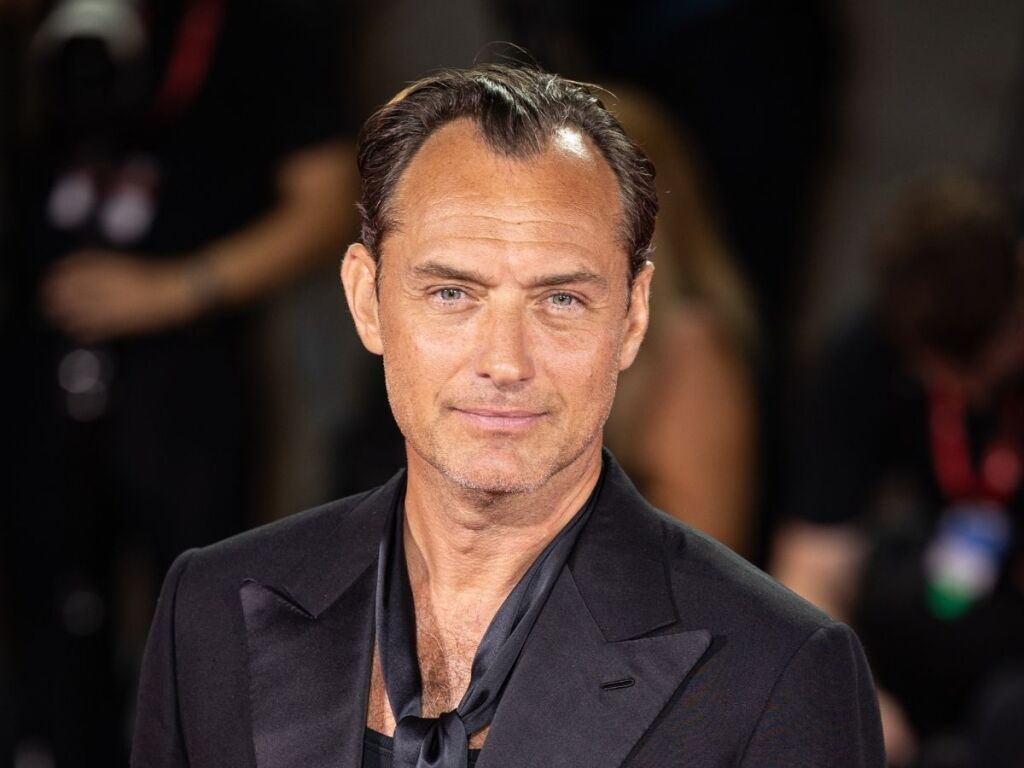
An M-shaped hairline shows recession at both temples, forming a contour similar to the letter “M”. This shape can appear naturally as part of a mature hairline.
If the indentation deepens over time and is accompanied by thinning, it may indicate androgenetic alopecia. Actor Jude Law’s hairline has gradually receded over the years, illustrating how progression distinguishes a stable shape from ongoing hair loss.
3. Widow’s Peak
A widow’s peak features a V-shaped point in the centre of the forehead. It is a hereditary trait present in approximately 20 to 30 percent of the population.
Actors such as Chris Hemsworth and Kit Harington have visible widow’s peaks that have remained stable. A widow’s peak does not predict future balding and should not be confused with temple recession.

4. Receding Hairline
A receding hairline involves progressive backward movement and is typically linked to male pattern hair loss. It often begins at the temples and may later involve the crown.
Wayne Rooney has openly discussed undergoing a hair transplant after experiencing progressive recession. His case highlights that continued change, rather than shape alone, defines hair loss.

5. Uneven Hairline
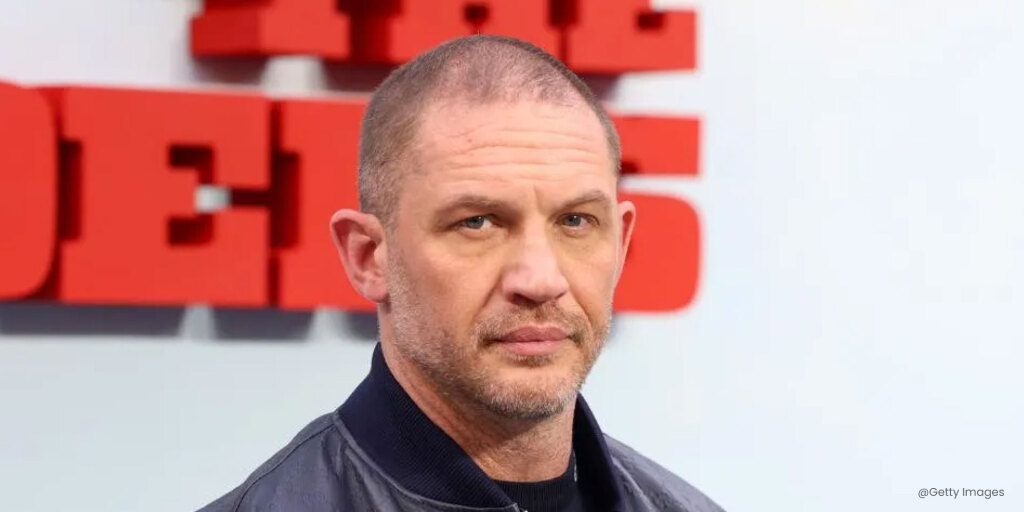
Mild asymmetry is common and usually harmless. One temple may sit slightly higher than the other due to natural facial structure. Actor Tom Hardy appears to have slight asymmetry that has remained stable.
Concern arises only if unevenness develops alongside thinning or inflammation.
6. Cowlick
A cowlick is a natural growth pattern in which hair grows in a different direction. It can alter the appearance of the frontal hairline and may resemble unevenness or thinning. Christian Bale is known for having a noticeable frontal cowlick. Cowlicks reflect follicle orientation and do not indicate hair loss.
Women’s Hairline Types
Women’s hairlines tend to be lower and rounder than men’s, with softer contours. Significant temple recession is less common.
1. High Hairline
A high hairline sits further from the eyebrows. If it has been present since childhood and remains stable, it is usually genetic.
Margot Robbie is often described as having a naturally higher hairline that appears consistent over time. Height alone does not indicate thinning.
2. Low Hairline
A low hairline sits closer to the eyebrows and creates a shorter appearing forehead. Selena Gomez is frequently referenced as having a low, rounded hairline. This is a normal anatomical variation.
3. Straight Hairline
A proportional hairline aligns with facial thirds, which divide the face into roughly equal vertical segments from hairline to eyebrows, eyebrows to nose base, and nose base to chin.
Emma Watson’s hairline is often described as balanced in relation to her facial proportions.
4. Widow’s Peak
As in men, a widow’s peak in women is hereditary. Kourtney Kardashian has a visible widow’s peak that has remained stable. It does not indicate hair loss.
5. Bell-Shaped Hairline
A bell-shaped hairline is slightly wider at the temples and narrower in the centre. It is a natural variation in contour.
6. Female Receding Hairline
Receding hairlines are less common in women but can occur. They may be associated with female pattern hair loss, traction alopecia from tight hairstyles, or certain medical conditions.
Jada Pinkett Smith has spoken publicly about experiencing hair loss, including changes along her hairline. When thinning is progressive, medical assessment is recommended.
In many cases of female pattern hair loss, thinning affects the top of the scalp while the frontal hairline remains relatively preserved.
Hairline Height
Hairline height is assessed separately from shape. Clinicians often evaluate facial proportions using the facial thirds method.
- A low hairline typically sits 4 to 5 centimetres above the eyebrows. An average hairline falls around six to seven centimetres above the brows. A high hairline may sit eight centimetres or more above the brows.
- A high hairline that remains stable is normal. A receding hairline continues to move backwards.
Male and Female Hairline Patterns
Sex differences create distinct typical patterns.
Male hairlines appear higher and more angular with stronger temple points creating sharper angles. Greater temple recession occurs naturally during maturation and pathologically during androgenetic alopecia. The strong link to male pattern baldness means many men experience progressive hairline changes after puberty.
Female hairlines remain lower and rounder with gentler curves and less pronounced temple recession. When hair loss occurs, women show a greater likelihood of diffuse thinning across the entire scalp rather than frontal recession. Female pattern hair loss typically spares the frontal hairline whilst thinning the crown and mid-scalp.
How to Identify Your Hairline Type and Track Changes
To assess your hairline, examine its contour across the forehead and temples. Compare photographs taken six to twelve months apart to detect meaningful change.
Key signs that may warrant professional advice include:
- Progressive temple deepening
- Visible thinning behind the frontal edge
- Sudden or patchy hair loss
- Scalp redness or discomfort
Stability suggests normal development. Ongoing progression suggests hair loss. If you would like a professional opinion, we offer comprehensive evaluations and personalised treatment guidance through our dedicated hair loss treatment services.
How Styling Changes the Look of Your Hairline
Hairstyle choices dramatically affect perceived hairline appearance.
Styles that complement different hairline shapes include fringes and bangs for higher hairlines, which lower the visual starting point and balance facial proportions. Side partings work well for asymmetrical hairlines by directing attention away from uneven areas.
Styles that may worsen traction or stress the hairline include tight ponytails, braids, or buns pulling constantly on frontal hairs. Repeated traction causes permanent hair loss over years.
How styling can soften or exaggerate appearance means strategic choices either minimise concerns or inadvertently highlight them.
Treatment and Management Options
Treatment choices depend on the cause, pattern, and stability of hairline change. Non-medical options such as hairstyling, strategic parting, fibres, or cosmetic camouflage can improve appearance where loss is mild or stable.
The following table compares treatment approaches based on hairline concern type.
| Concern Type | Non-Medical Options | Medical Treatments | Professional Interventions |
|---|---|---|---|
| High natural hairline (stable) | Styling with fringes; cosmetic camouflage | Not applicable | None needed |
| Receding hairline (AGA) | Hair fibres; scalp makeup | Finasteride; minoxidil | Hair transplant surgery |
| Traction alopecia | Change hairstyle; avoid tight pulling | Topical minoxidil if early | Transplant if permanent damage |
| Asymmetrical hairline (genetic) | Strategic parting; styling | Not applicable | Cosmetic adjustment possible |
Medical treatments may be appropriate when hormonal influence on follicles drives progression, as androgens directly affect follicle miniaturisation and growth cycles.
Hairline restoration or transplant surgery can suit selected cases, but only when loss is well defined and future risk assessed.
Proper diagnosis is essential before any intervention, ensuring treatment targets the underlying cause rather than masking or worsening the problem.
Conclusion
Cherry angiomas are common benign vascular growths that increase with age. They do not usually go away on their own and tend to persist once formed. Although generally harmless, any lesion that changes in appearance, grows rapidly or appears suddenly in large numbers should be assessed by a healthcare professional. Removal is optional and should only be carried out by trained clinicians.
FAQs
What are the most common types of hairlines?
The most common hairline shapes are straight and rounded. Widow’s peaks are also relatively common and are seen in approximately 20 to 30 percent of the population. M-shaped contours become more common in men after early adulthood due to natural maturation or pattern hair loss.
Is a widow’s peak a sign of balding?
No. A widow’s peak is a genetic trait and does not indicate hair loss. Many people maintain a widow’s peak throughout life without experiencing recession. Hair loss is defined by progressive thinning and backward movement, not by the presence of a central V shape.
What is the difference between a mature hairline and a receding hairline?
A mature hairline typically moves back slightly in early adulthood and then stabilises. A receding hairline continues to move backward over time and is often accompanied by thinning at the temples or frontal edge.
The key difference is progression. Stability suggests maturation. Ongoing change suggests hair loss.
Can women have a receding hairline?
Yes, but it is less common. Women more often experience diffuse thinning across the scalp rather than pronounced frontal recession. In many cases of female pattern hair loss, the frontal hairline remains intact.
Is a high hairline the same as a receding hairline?
No. A high hairline may be genetic and present from birth. A receding hairline involves progressive backward movement over time. The distinction lies in change rather than position.
At what age do hairlines usually change?
Mild changes often occur in the late teens to twenties as part of normal maturation. Progressive recession related to androgenetic alopecia can begin anytime after puberty but becomes more common with age.
Can hairstyles damage the hairline?
Yes. Repeated tension from tight ponytails, braids, cornrows or buns can cause traction alopecia. Early changes may be reversible, but long-term tension can lead to permanent follicle damage.

Not sure what’s causing your hair thinning, shedding or receding hairline? Receive expert advice from our experienced hair restoration team with a free online hair assessment today.

 CALL US
 WHATSAPP