






A gentle sun-kissed glow can make us look refreshed and healthy, but the sun’s ultraviolet rays do not come without risks. The good news is that it is possible to tan naturally while minimising skin damage, as long as you understand the UV index for tanning and manage your sun exposure carefully.
The UV index (UVI) measures the strength of ultraviolet radiation reaching the Earth’s surface. It helps you recognise when conditions are suitable for limited sun exposure and when it is safer to seek shade. By following UV index guidance, wearing daily sun protection, and avoiding peak radiation hours, you can develop a gradual tan while reducing the risk of premature ageing and long-term skin damage.
Read on to learn how to get a healthy tan, what the UV index really means, and how to protect your skin long term.
Key Takeaways
- The safest UV index for tanning is between 3 and 5, as recommended by the World Health Organization.
- Always wear a broad-spectrum sunscreen with SPF 30 or higher, even on cloudy days.
- Limit time in direct sunlight and take regular shade breaks, especially as UV levels increase.
- Protect sensitive areas with wide-brimmed hats, sunglasses, and SPF lip balm.
- Tanning should be gradual. Burning is a sign of skin damage, not healthy colour.
Table of Contents
What Is the UV Index?
The UV index is a globally used scale created by scientists to help the public understand daily levels of ultraviolet radiation from the sun. Instead of measuring temperature or how bright the day looks, it indicates how strong UV radiation is and how rapidly it can cause harm to uncovered skin.
The index is based on international scientific standards and is supported by organisations such as the World Health Organization, making it a reliable tool for assessing sun exposure risk.
The scale ranges from:
- 0–2: Low risk
- 3–5: Moderate risk
- 6–7: High risk
- 8–10: Very high risk
- 11+: Extreme risk
As the UV index rises, skin damage occurs more quickly, even if temperatures feel mild or the sky appears cloudy.
Understanding UVA, UVB, and UVC Rays
Ultraviolet radiation is divided into different types, each affecting the skin in distinct ways. The UV index reflects the combined impact of these rays on your skin.
- UVA rays penetrate deep into the skin and are primarily responsible for tanning, premature ageing, fine lines, and pigmentation changes.
- UVB rays affect the surface layers of the skin, causing sunburn and playing a significant role in the development of skin cancer.
- UVC rays are the most dangerous form of UV radiation but are absorbed by the Earth’s atmosphere and do not reach ground level.
A tan develops because the skin increases melanin production in response to UV exposure. This process is a protective response, which is why moderation is essential.
Best UV Index for Tanning
Not all UV levels are suitable for tanning. Understanding what each range means allows you to balance colour development with skin safety.
UV Index 3–5 (Moderate)
This is the safest range for tanning. UV radiation is strong enough to stimulate melanin production while keeping the risk of burning lower, provided sunscreen is applied correctly.
UV Index 6–7 (High)
Tanning is still possible, but the likelihood of sunburn and long-term skin damage increases. Exposure should be limited and supported by strict sun protection.
UV Index 8–10 (Very High)
This level is not recommended for tanning. Skin damage can occur quickly, even with sunscreen.
UV Index 11+ (Extreme)
These conditions are unsafe for tanning. Direct sun exposure should be avoided, and shade and protective clothing should be prioritised.
Best Time of Day to Tan Safely
The strength of UV radiation changes throughout the day. It typically peaks when the sun is highest in the sky.
UV levels are strongest between 10am and 4pm. For safer tanning:
- Choose early morning or late afternoon exposure
- Avoid the midday sun whenever possible
- Use your phone’s weather app to monitor the hourly UV index
A helpful visual guide is the shadow rule. If your shadow is shorter than you are, UV radiation is intense and it is time to seek shade.
Can You Tan on a Cloudy Day?
Many people assume that cloud cover blocks UV radiation, but this is a common misconception.
Up to 80 percent of UV rays can pass through clouds, meaning you can still tan or burn on overcast days. Cooler temperatures and lack of sunshine do not reduce UV exposure, which is why daily sunscreen use remains essential regardless of the weather.
Skin Type and Tanning Risk
Skin type plays an important role in how quickly you tan and how easily you burn, but it does not eliminate the risk of sun damage.
- Fair skin burns easily and tans slowly
- Medium skin tans gradually but can still burn
- Darker skin tones have more natural UV protection but remain at risk of pigmentation issues and skin cancer
No skin type is immune to the harmful effects of ultraviolet radiation.
How Long Should You Tan at Each UV Level?
Time spent in the sun should always be adjusted based on the UV index, skin type, and sunscreen use. The table below offers general guidance when wearing sunscreen.
| UV Index | Fair Skin | Medium to Darker Skin |
|---|---|---|
| 1–2 | Long exposure with minimal tanning benefit | Long exposure with minimal tanning benefit |
| 3–5 | 15–30 minutes | 30–45 minutes |
| 6–7 | 10–15 minutes with protection | 20–30 minutes with protection |
| 8+ | Not recommended | Very limited time only |
**These times may vary depending on individual sensitivity and environmental factors such as water or sand reflection.
Does Weather Affect Tanning?
Many people associate tanning strength with heat or sunshine, but temperature and brightness are not reliable indicators of UV exposure.
Cool, windy, or cloudy conditions can still produce moderate to high UV levels. Wind may cool the skin and mask early signs of burning, while cloud cover can give a false sense of protection. The UV index remains the most accurate way to judge tanning risk and potential, regardless of how the weather feels.
How Environment and Location Affect UV Exposure
Your surroundings and location can significantly influence how much UV radiation your skin receives, even when the UV index appears moderate.
UV exposure increases when:
- You are near water, as it reflects UV rays onto the skin
- You are on sand or concrete, which can intensify exposure
- You are at higher altitudes, where the atmosphere offers less UV protection
- You are closer to the equator, where UV radiation is stronger year-round
This is why people often burn more quickly on beach holidays or in mountainous regions, even when following their usual sun routine.
Gradual Tanning Versus Long Sun Sessions
Many people assume that spending longer in the sun will result in a better tan, but this approach increases the risk of burning and uneven colour.
Gradual tanning over multiple short sessions allows the skin to build melanin more safely. This leads to a more even, longer-lasting tan and reduces peeling, sensitivity, and pigmentation issues that can follow intense exposure.
Medications and Increased Sun Sensitivity
Certain medications can make the skin more sensitive to UV radiation, increasing the likelihood of burning and irritation even at lower UV levels.
These may include:
- Some antibiotics
- Acne treatments, including retinoids
- Certain hormonal medications
- Some antidepressants and anti-inflammatory drugs
If you are taking prescription or over-the-counter medication and notice increased sensitivity to sunlight, it is important to limit sun exposure and speak to a healthcare professional.
When to Stop Tanning and Seek Skin Advice
Tanning should always stop if the skin shows signs of distress or abnormal change. Early assessment can prevent long-term damage.
You should seek professional advice if you notice:
- Persistent redness, stinging, or peeling
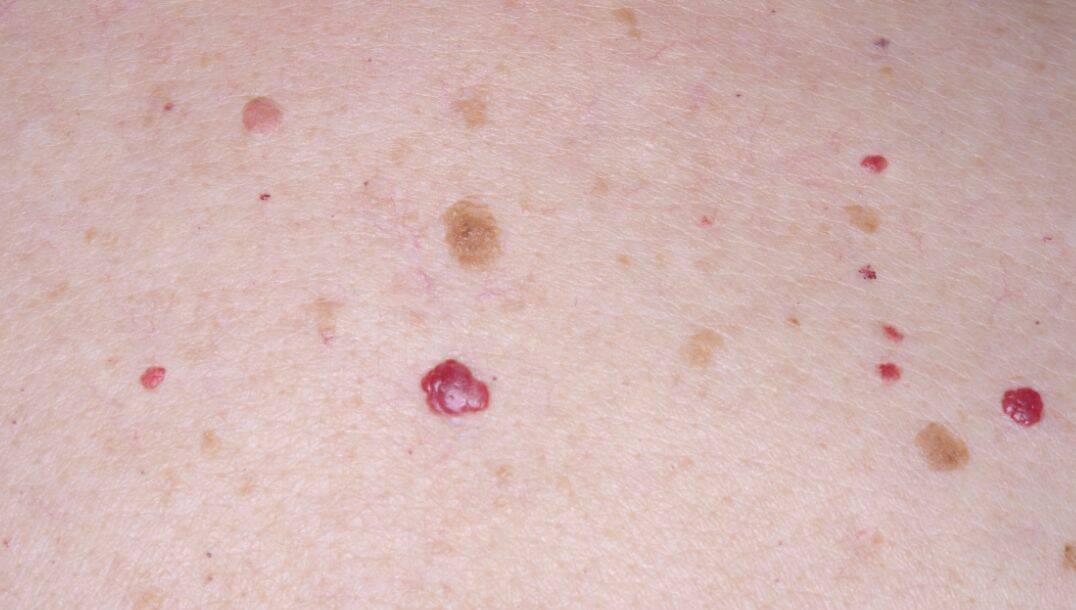
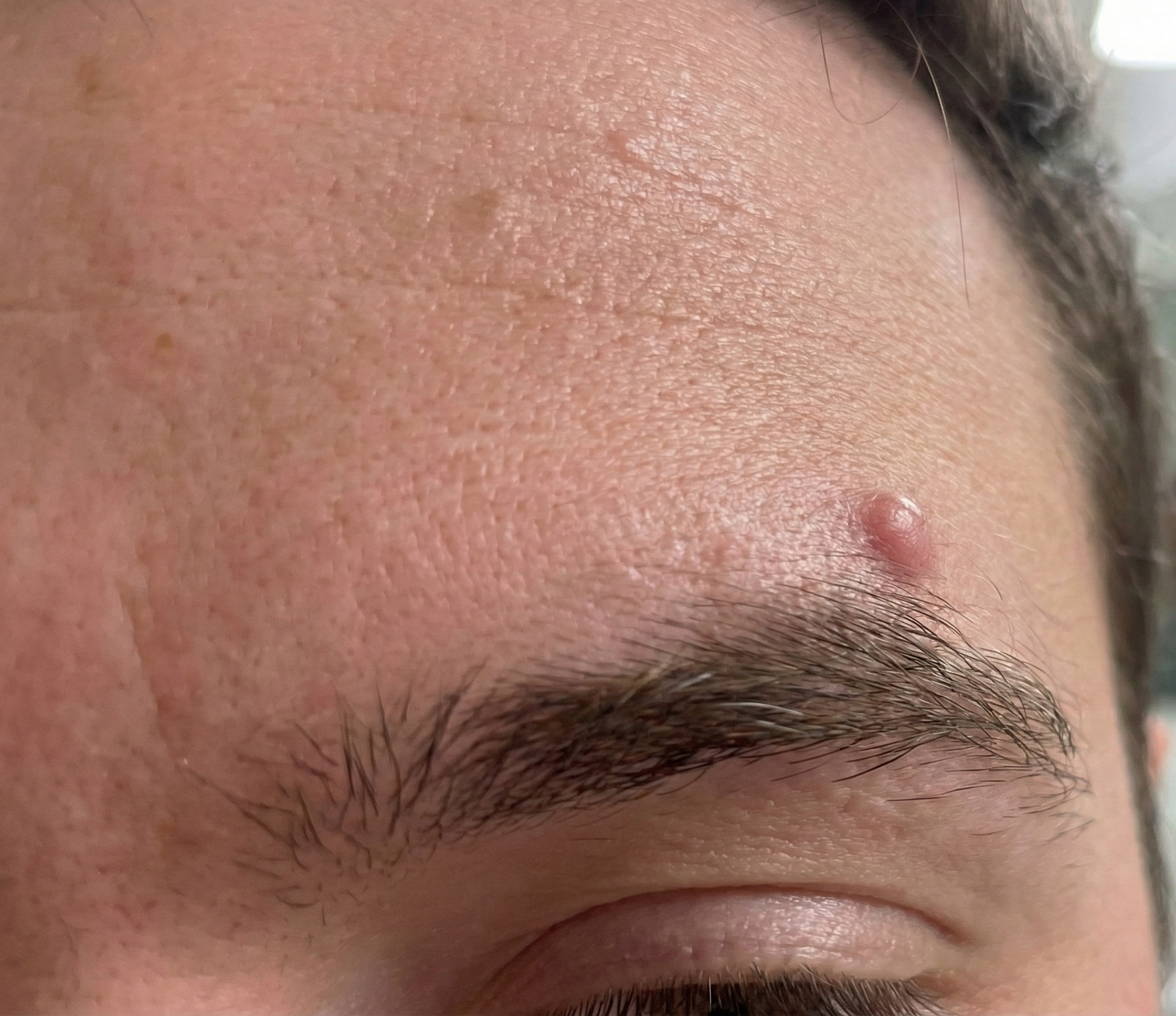
- New or changing moles
- Uneven pigmentation that does not fade
- Skin sensitivity lasting longer than 48 hours
If you are concerned about sun exposure, premature ageing, or changes in your skin, booking a professional skin assessment can provide reassurance and early intervention.
The Danger of UV Rays and Skin Cancer
Excessive UV exposure damages DNA within skin cells, increasing the risk of skin cancer. In the UK, nearly 90 percent of melanoma cases are preventable through effective sun protection and avoidance of excessive UV exposure.
Risk increases significantly if you:
- Fall asleep in direct sunlight
- Tan during peak UV hours
- Skip sunscreen or fail to reapply it
Sunscreen is a vital part of skin protection and should never be optional.
Safe Tanning Tips
Developing a tan safely requires consistency and restraint rather than long hours in the sun.
- Apply a broad-spectrum sunscreen with SPF 30 or higher every day
- Reapply sunscreen every two hours and after swimming or sweating
- Wear protective clothing over sensitive areas
- Use wide-brimmed hats, sunglasses, and SPF lip balm
- Stay well hydrated and limit alcohol consumption
- Build colour gradually with short sun exposure sessions
- Take regular breaks in the shade
After-Sun Care
If your skin becomes red, sore, or irritated after sun exposure, prompt care can help reduce discomfort and support recovery.
- Move out of direct sunlight immediately
- Apply aloe vera or a soothing moisturiser
- Drink plenty of water to support skin hydration
- Avoid further sun exposure until the skin recovers
- Use pain relief if needed
Severe or blistering sunburn should always be assessed by a medical professional.
Best Apps and Tools for Monitoring UV Levels
Modern weather and skin health apps provide hour‑by‑hour UV forecasts, alerts during high UV periods, and personalised guidance based on skin type and SPF use. Tools such as the WHO SunSmart Global UV App, UVIMate, and UV Index Widget allow you to monitor local UV levels in real time, estimate safe sun exposure durations, and receive alerts when protection is needed. Using these apps alongside sunscreen and shade strategies helps you plan sun exposure safely and avoid accidental overexposure.
Frequently Asked Questions
Can you tan with a UV index of 1?
A UV index of 1 produces very little tanning effect and requires prolonged exposure for minimal visible results. While it is safer, it is generally inefficient for tanning purposes.
Does a higher UV index guarantee a better tan?
No. A higher UV index increases the speed of skin damage rather than improving the quality of a tan. Faster melanin production also increases the likelihood of burning and long-term damage.
How should I interpret the UV index with my skin type?
Fair skin requires shorter exposure times at lower UV levels, while medium and darker skin types may tolerate slightly longer exposure. Regardless of skin type, sunscreen and shade are essential at higher UV levels.
Does sunscreen stop you from tanning entirely?
No. Sunscreen reduces UV damage and slows the tanning process, but it does not prevent a gradual tan from developing.
Is tanning ever completely safe?
There is no completely risk-free way to tan. However, understanding the UV index and practising consistent sun safety significantly reduces the risk of long-term skin damage.
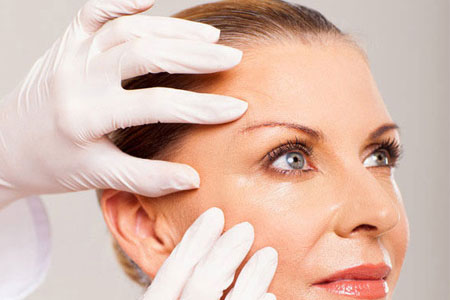
Get personalised advice from a dermatology specialist and understand how to protect your skin from UV damage.

 CALL US
 WHATSAPP