






Hair transplantation is a long-term surgical treatment used to restore hair growth in areas affected by thinning or baldness. One of the most common questions patients ask is when the procedure should be performed to achieve the best results.
There is no single age or time that applies to everyone. However, hair transplant surgery is usually considered once hair loss patterns become more stable, which often occurs in the mid-to-late twenties. The ideal timing depends on several factors, including the stability of hair loss, the quality of donor hair, and the overall pattern of baldness.
Hair loss conditions such as androgenetic alopecia usually progress gradually over many years. Because of this, careful timing is important to ensure that the transplant produces natural and long-lasting results.
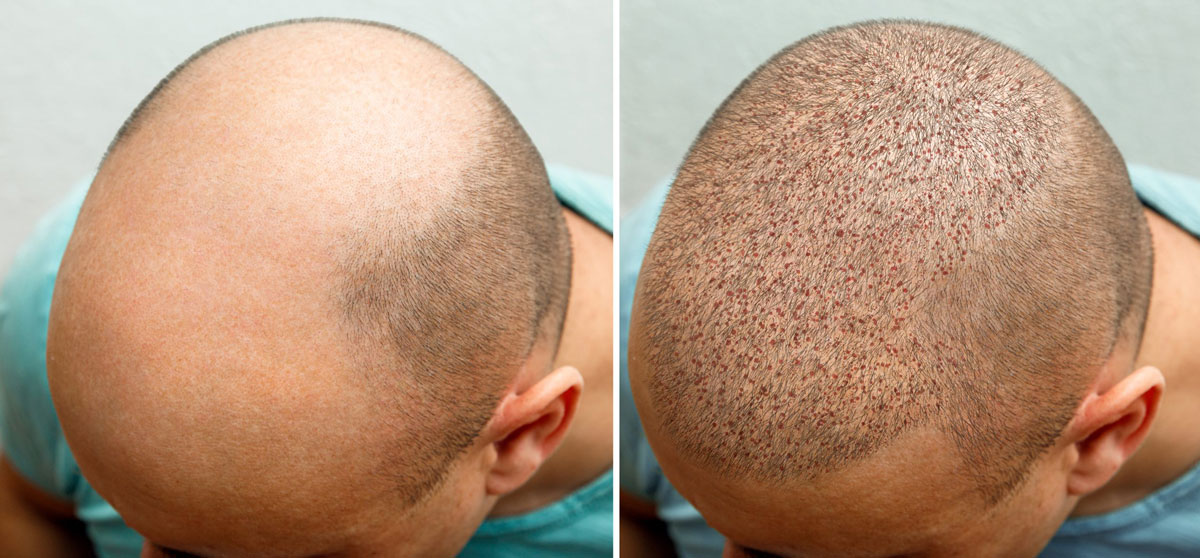
Understanding when hair loss has stabilised and when sufficient donor hair is available can help maximise the success of hair transplantation.
Understanding hair transplant timing
Hair transplantation involves relocating healthy follicular units from the donor area, usually located at the back or sides of the scalp, to areas affected by hair loss.
These donor follicles are genetically resistant to androgen-related hair loss and typically continue producing hair after transplantation. This principle, often referred to as donor dominance, forms the scientific basis for modern hair transplant techniques.
Because hair loss often progresses over time, surgeons must plan the procedure carefully. Performing surgery too early can lead to unnatural results if surrounding hair continues to thin later.
The aim of proper timing is to ensure that:
- the hair loss pattern is stable and predictable
- sufficient donor hair is available
- the hairline design will remain natural as the patient ages
- long-term planning for future hair loss is considered
The ideal age range for a hair transplant
Although every patient is different, hair transplant surgery is generally considered after the age of 25, when the pattern of hair loss becomes easier to evaluate. Medical literature recommends delaying surgery in very young patients because hair loss may still be progressing rapidly and future balding patterns are difficult to predict.
This timing allows surgeons to assess the extent of androgenetic alopecia and plan the transplant in a way that produces natural and sustainable results.
Several important factors influence when a hair transplant should be performed.
Hair loss pattern stability
Androgenetic alopecia often begins after puberty and progresses gradually over time. In the early stages, the rate and pattern of hair loss can change quickly.
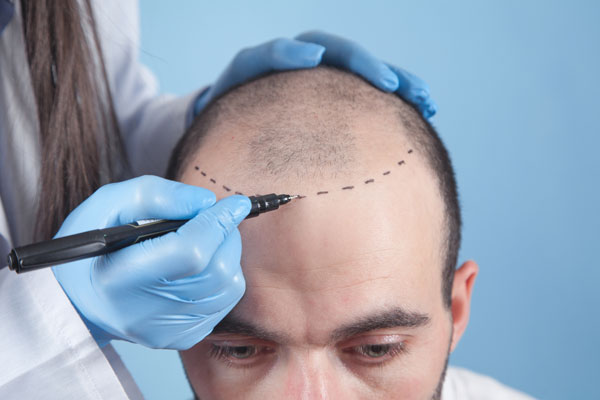
Hair transplant surgery is typically deferred while hair loss is actively progressing. Once the pattern becomes more stable, surgeons can design a hairline and graft distribution that will continue to look natural as hair loss evolves.
Donor hair availability
Hair transplantation relies on the permanent donor zone, usually located at the back and sides of the scalp. This region contains follicles that are more resistant to androgen-related hair loss.
However, the donor supply is limited. Clinical estimates suggest that only a portion of the scalp can safely be used as a donor area, and surgeons must preserve sufficient follicles to maintain natural density and allow for potential future procedures.
Long-term treatment planning
Hair transplantation is primarily a camouflage technique that redistributes existing hair rather than increasing the total number of follicles on the scalp.
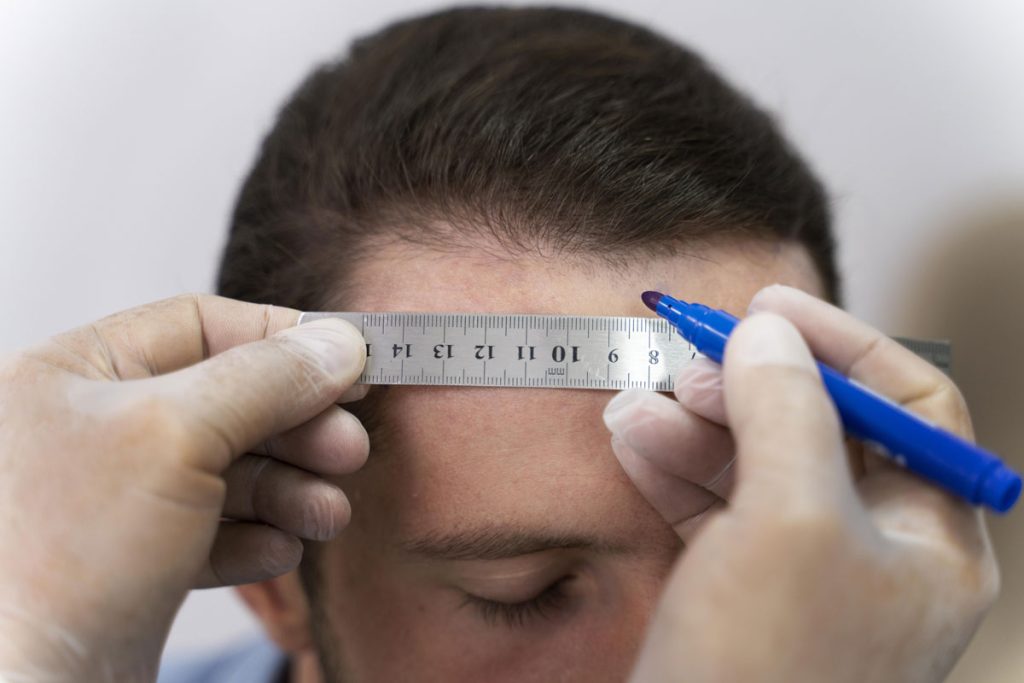
Because hair loss may continue over time, surgeons must plan graft placement carefully and avoid overly aggressive hairline lowering. Long-term planning helps ensure that the transplanted hair remains balanced with surrounding hair if further thinning occurs.
Why hair transplants are often delayed in younger patients
Many people notice hair loss in their late teens or early twenties. However, surgeons often recommend delaying hair transplant surgery until the pattern of hair loss becomes more predictable. In younger patients, several factors can make surgery less suitable.
Unstable Hair Loss Patterns
Hair loss may still be progressing rapidly during early adulthood. If surgery is performed too early, surrounding hair may continue to thin, leaving transplanted areas looking uneven.
Limited Donor Hair Supply
The number of transplantable follicles in the donor region is limited. Using a large number of grafts early in life may reduce the amount available for future procedures.
Risk of an Unnatural Hairline
If a hairline is reconstructed too aggressively in younger patients, future hair loss behind the transplanted area may produce an unnatural appearance over time.
For these reasons, doctors may recommend monitoring hair loss progression or starting medical treatment before considering surgery.
Can you be too old for a hair transplant?
Hair transplantation can still be effective later in life, provided that the donor area remains healthy and the patient is in good general health.
Patients in their forties, fifties, or older may still be suitable candidates. In fact, hair loss patterns are often more stable at this stage, which can make surgical planning easier.
However, older patients may experience:
- reduced donor hair density
- slower healing capacity
- more advanced hair loss patterns
A full consultation with a qualified hair restoration specialist is necessary to determine whether surgery is appropriate.
Key factors that determine the right time for treatment
Although age can provide general guidance, the best time for a hair transplant depends on individual factors.
Stability of Hair Loss
A stable hair loss pattern allows surgeons to plan the procedure more accurately. Doctors may review photographs taken over time to assess whether hair loss is still progressing.
Donor Hair Density
Successful hair transplantation requires healthy follicles in the donor area. The density and thickness of these follicles influence how much scalp coverage can be achieved.
Overall Health and Scalp Condition
Patients should be in good general health before surgery. Certain medical conditions or scalp disorders may affect the timing or suitability of the procedure.
Realistic Expectations
Hair transplantation improves hair coverage but does not stop future hair loss. Patients must understand that additional treatments may be required over time.
Is there a best month or season for a hair transplant?
Hair transplant procedure can be performed at any time of the year, and the success of the procedure depends mainly on surgical technique and post-operative care rather than the season.
However, certain months or seasons may be more comfortable for recovery because environmental conditions such as temperature, sun exposure, and sweating can influence healing.
Autumn and Late Winter
Many specialists consider autumn and late winter convenient periods for hair transplant surgery.
These seasons offer several advantages:
- cooler temperatures reduce sweating
- lower sun exposure helps protect the scalp
- recovery may be more comfortable
Months such as October, November, February, and March are often considered convenient for scheduling surgery.
Spring
Spring months can also be suitable for hair transplant procedures. Moderate temperatures reduce excessive sweating while avoiding cold-weather irritation, making recovery conditions more comfortable.
Summer
Hair transplants can still be performed during summer months, but extra care is usually required.
Patients may need to:
- protect the scalp from direct sun exposure
- avoid heavy sweating
- limit outdoor activities during early healing
With proper aftercare, successful procedures can still be performed during warmer months.
Planning around work and lifestyle
In many cases, the most practical timing for a hair transplant depends on the patient’s schedule.
Recovery typically involves:
- several days of rest
- avoiding strenuous activity for around 7 to 10 days
- careful scalp care and hygiene
Many people choose a time when they can take leave from work or reduce social commitments.
Hair growth timeline after a transplant
Patients often ask how long it takes to see results after surgery.
Hair growth usually follows a predictable timeline:
- 3–4 months: early hair growth begins
- 6 months: noticeable improvement in density
- 9–12 months: most results become visible
- 12–18 months: final results may fully mature
Because of this gradual process, some patients plan surgery several months before important events or milestones.
When to consider non-surgical treatments first
In some cases, doctors may recommend medical treatments before surgery.
These may include:
- topical treatments such as minoxidil
- medications that reduce androgen effects
- platelet-rich plasma (PRP) therapy
- low-level laser therapy (LLLT)
These approaches may help slow hair loss progression and preserve existing hair before considering surgical restoration.
Conclusion
The best time and age to undergo a hair transplant depends on several factors, including the stability of hair loss, donor hair availability, and long-term planning for future hair changes.
Although many patients consider surgery between their mid-twenties and mid-forties, the most appropriate timing varies for each individual.
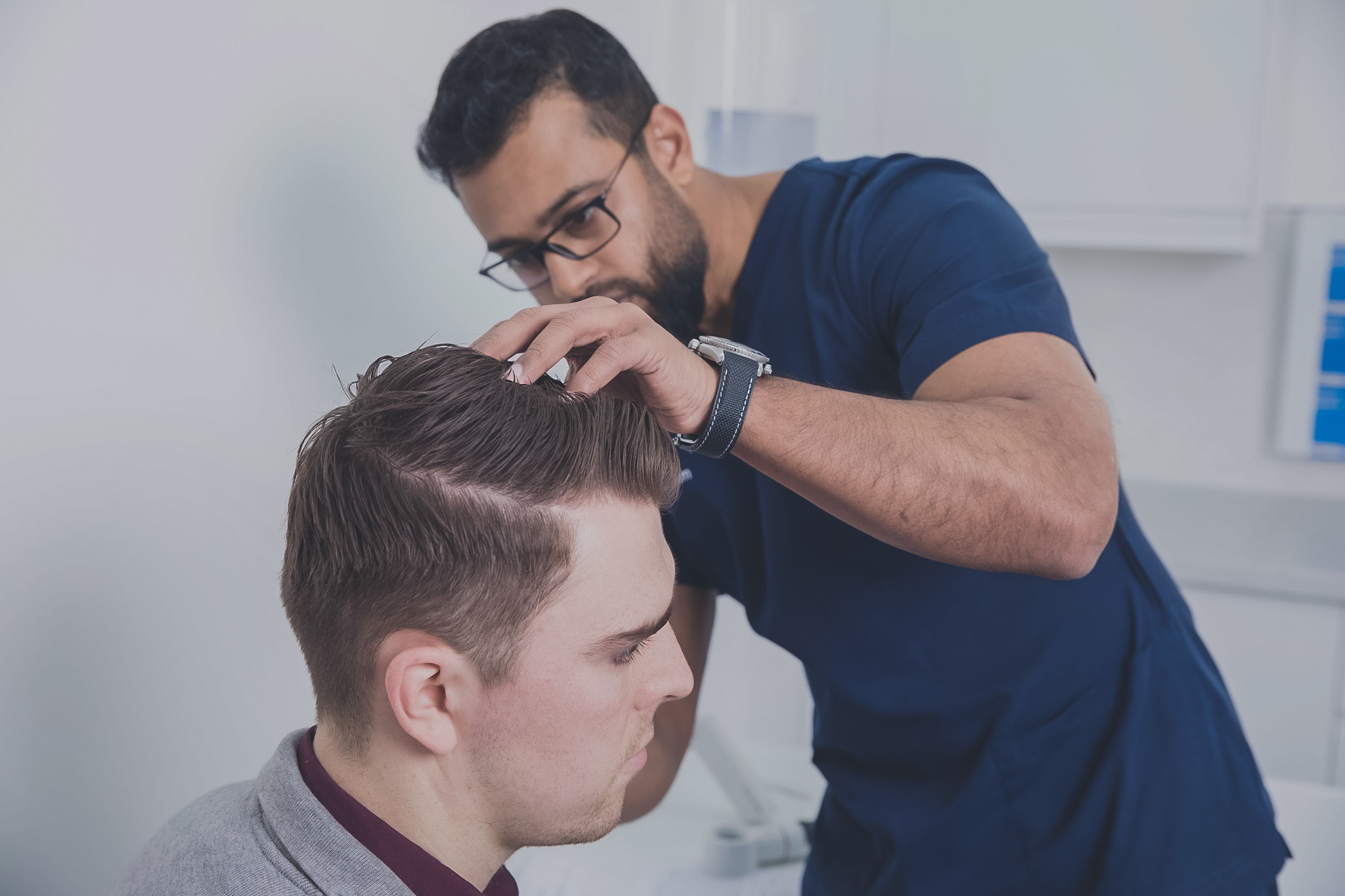
A consultation with a qualified hair restoration specialist can determine whether hair loss has stabilised and whether transplantation is likely to produce natural, long-lasting results. Planning treatment at the right stage of hair loss can help maximise graft survival, preserve donor hair, and achieve a natural-looking hairline for many years.

Book a free assessment with our hair restoration specialists to discuss whether the timing is right for your treatment.
- Medical Disclaimer:
This article is intended for informational purposes only and reflects current medical understanding of hair loss and hair transplantation. It should not be considered a substitute for professional medical advice, diagnosis, or treatment. Individual suitability for hair transplant surgery depends on factors such as hair loss pattern, donor hair availability, and overall health. Anyone concerned about hair loss should consult a qualified healthcare professional or hair restoration specialist for personalised medical guidance.



 CALL US
 WHATSAPP