






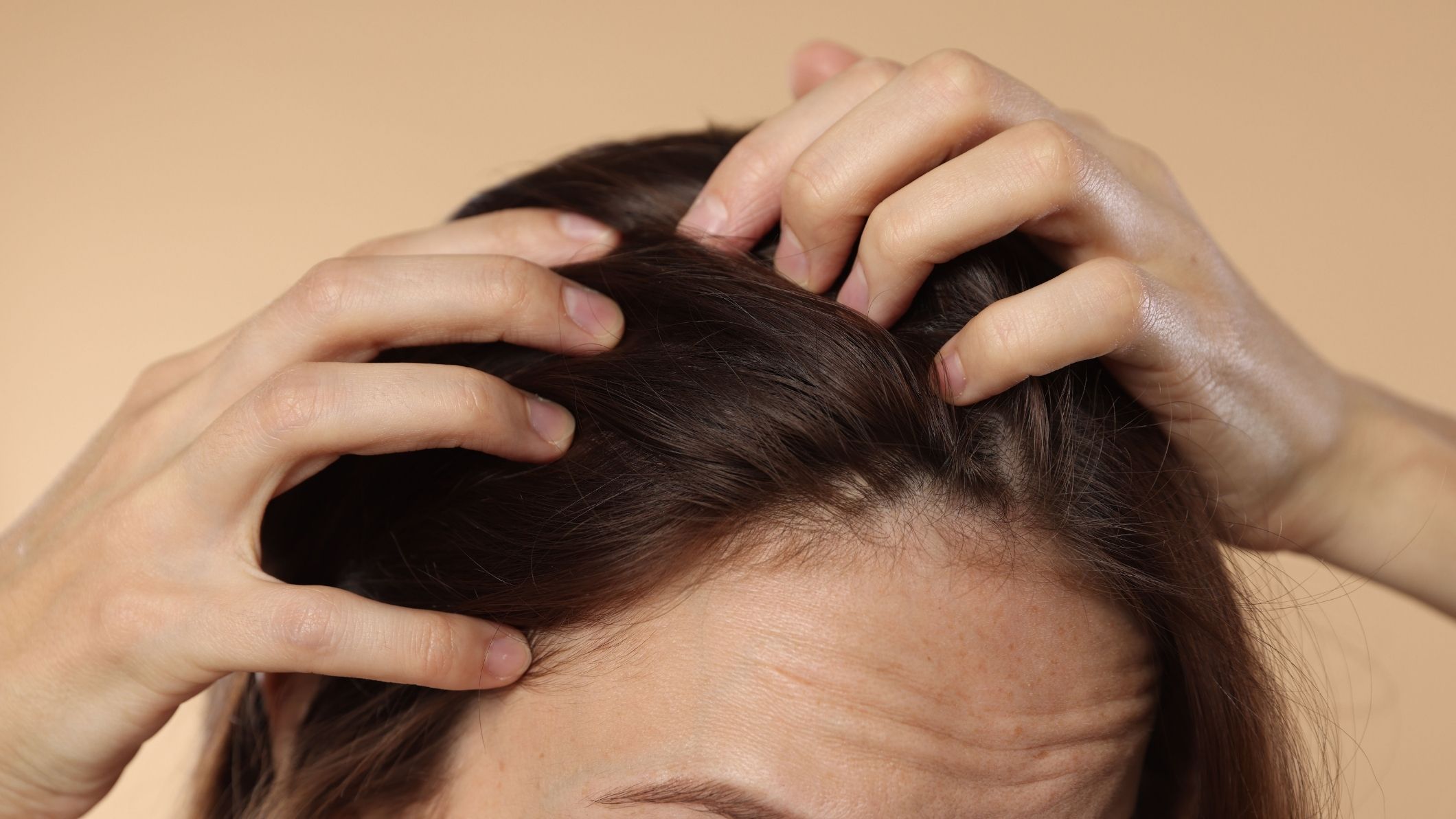
If you have ever noticed pain when brushing your hair, changing your hairstyle, or moving your hair in another direction, you are not alone. Many people experience scalp tenderness or discomfort when their hair moves, often described as aching, burning, or sharp pain along the scalp.
Although it may feel like the hair itself is painful, the discomfort actually comes from the hair follicles and surrounding scalp tissue. Each strand of hair is anchored in a follicle beneath the skin, which is connected to nerves, blood vessels, and sebaceous glands. When the scalp becomes inflamed, irritated, or overly sensitive, even small movements of hair can stimulate these nerve endings and trigger pain.
Dermatologists often refer to this type of scalp discomfort as trichodynia, a condition characterised by scalp pain, burning, or tingling sensations without visible skin disease. Clinical studies suggest that scalp sensitivity affects a large portion of the population, with 30–50% of individuals reporting sensitive scalp symptoms at some point.
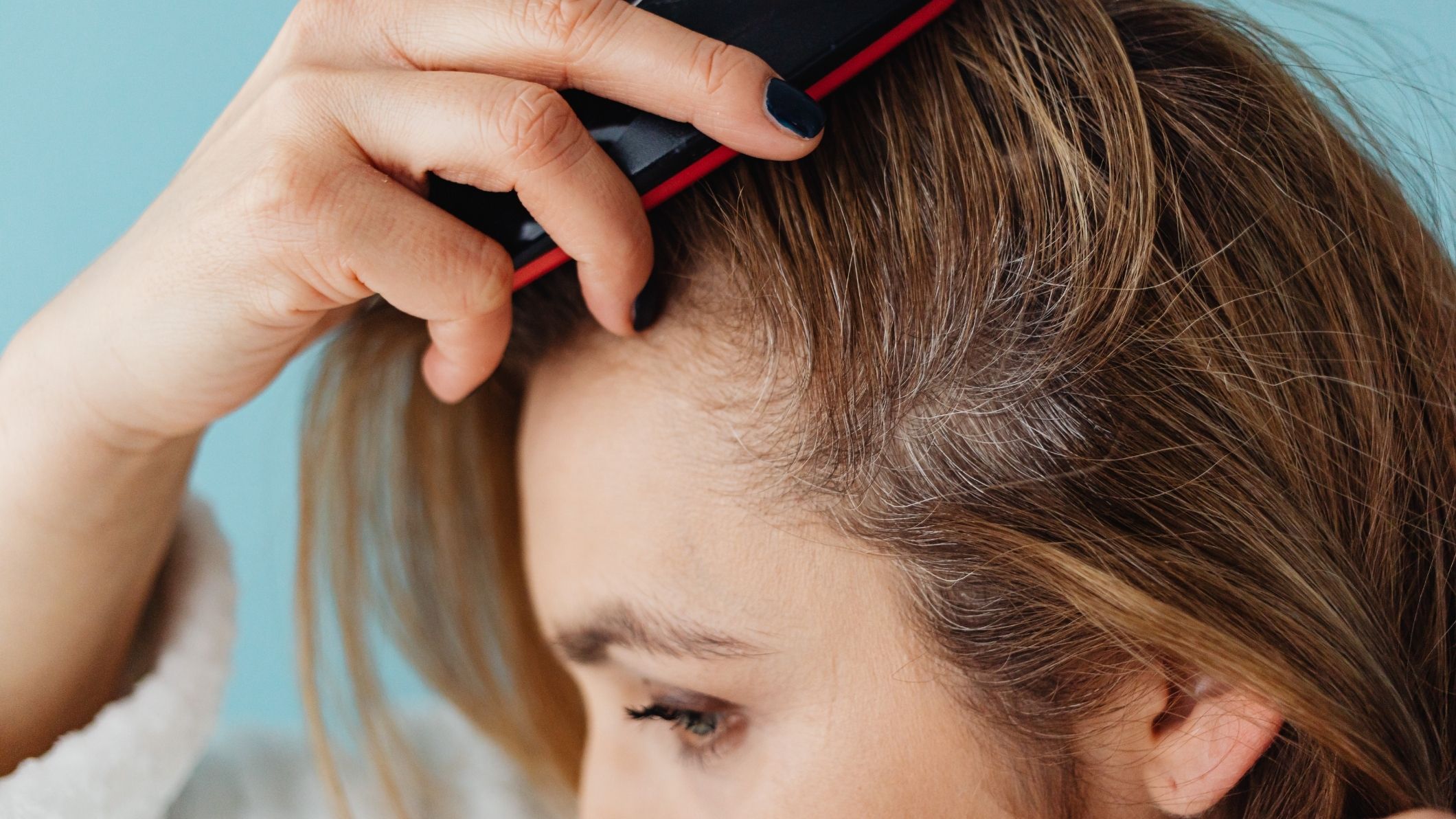
Understanding why your hair hurts when moved in another direction can help identify the underlying cause and guide appropriate treatment.
Medical explanation why your scalp hurt
When people ask “why does my scalp hurt,” the medical explanation behind scalp pain is that the sensation usually comes from sensitive scalp nerves surrounding hair follicles, not from the hair strands themselves. Discomfort occurs because each hair follicle is surrounded by sensory nerve fibres and connected to structures such as blood vessels, sebaceous glands, and arrector pili muscles.
When hair moves, it gently pulls on the follicle. If the surrounding scalp tissue is inflamed or sensitive, this mechanical movement can stimulate nerve receptors and create pain. Dermatology research describes this as part of sensitive scalp syndrome, where individuals experience burning, itching, stinging, or tenderness even when the scalp appears normal.
Why does my hair hurt when I move it in another direction?
Hair follicles are sensitive to movement because each follicle is connected to sensory nerve fibres within the scalp. When hair is moved in the opposite direction of its natural growth pattern or when tension is applied to the follicle, several responses can occur, including:
- Mechanical stimulation of the follicle
- Activation of pain receptors in the scalp
- Inflammatory responses around the follicle
If the scalp is already irritated or inflamed, even small movements of the hair can become painful, which helps explain why many people notice scalp discomfort when brushing their hair, removing tight hairstyles, changing the direction of their hair, or simply touching the scalp.
When people say their hair hurts, they are usually referring to scalp discomfort rather than pain in the hair itself. Hair strands are made of keratin, a non-living protein that contains no nerves or blood supply, which means the hair fibre cannot feel pain.
Instead, the sensation comes from the scalp and the hair follicles, where sensory nerves are present. When these nerves become irritated, inflamed, or placed under tension, movements of the hair can trigger discomfort, leading people to describe the feeling as their “hair hurting”.
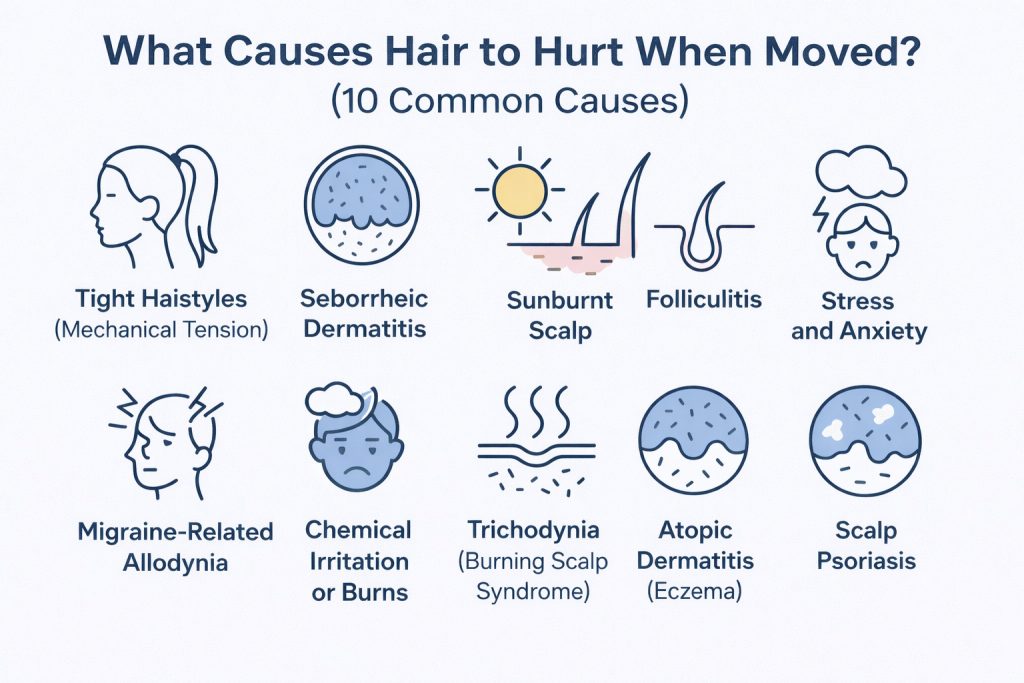
10 Common causes of hair pain when you move it
1. Tight hairstyles and mechanical tension
One of the most common reasons hair hurts when moved is mechanical tension on the hair follicles. Hairstyles such as tight ponytails, buns, braids, cornrows, and hair extensions pull the hair in a single direction for long periods of time. This constant tension can irritate the nerves in the scalp and lead to tenderness when the hair is moved in the opposite direction.
2. Trichodynia (Burning Scalp Syndrome)
Trichodynia is a condition characterised by scalp pain, burning, or itching even when there are no obvious visible skin changes. This condition may be linked to inflammation around the hair follicles, increased sensitivity of scalp nerves, psychological stress, and neurogenic inflammation.
3. Seborrhoeic dermatitis
Seborrhoeic dermatitis is a common inflammatory scalp condition associated with the yeast Malassezia. It commonly affects areas of the body that produce more oil, including the scalp.
This condition typically causes redness, greasy scales, dandruff, itching, and scalp tenderness. Because the scalp becomes inflamed, the hair follicles may become sensitive, which can make hair movement painful. Treatment usually involves medicated shampoos containing ingredients such as ketoconazole, zinc pyrithione, or selenium sulphide to control inflammation and yeast growth.
4. Folliculitis
Folliculitis occurs when hair follicles become inflamed or infected, usually due to bacteria or yeast. This condition often appears as small red bumps or pus-filled spots around the hair roots.
People with folliculitis may experience itching, burning, tenderness, and discomfort when touching or moving their hair. Treatment may involve antibacterial washes, topical antibiotics, or antifungal medications depending on the cause.
5. Sunburn on the scalp
The scalp can also become sunburned, particularly along the hair parting or in areas where hair is thinning. A sunburned scalp often becomes red, warm, tender, and sensitive to touch.
When hair moves across sunburned skin, it can pull slightly on irritated follicles and trigger pain. Cooling treatments such as aloe vera gel or cold compresses may help reduce inflammation and relieve discomfort while the skin heals.
6. Chemical irritation from hair products
Hair dyes, relaxers, bleaching agents, and styling products can sometimes irritate the scalp, particularly if they contain strong chemicals. Chemical irritation may cause redness, burning sensations, swelling, and peeling of the scalp.
When the skin becomes irritated, it can become hypersensitive to even mild stimulation. As a result, moving the hair or brushing it may increase discomfort.
7. Migraine-related scalp sensitivity
People who experience migraines may also develop scalp sensitivity due to a neurological condition called cutaneous allodynia. In this condition, normal sensations such as touching the scalp or brushing hair can become painful.
During migraine episodes, activities such as brushing hair, wearing a hat, or touching the scalp may trigger pain because the nervous system becomes overly sensitive. This type of scalp tenderness often improves once the migraine episode has resolved.
8. Stress and muscle tension
Psychological stress can also contribute to scalp pain. Stress may cause muscle tension in the scalp and neck, increase inflammatory signalling in the body, and trigger hair shedding conditions such as telogen effluvium.
These changes can make the scalp more sensitive and may cause pain when hair is moved.
9. Scalp psoriasis
Scalp psoriasis is an autoimmune condition that causes rapid turnover of skin cells, leading to thick scaly plaques on the scalp. The condition often produces red patches covered with silvery scales, along with itching and burning sensations.
Because the skin becomes inflamed and thickened, hair movement may trigger discomfort in the affected areas.
10. Atopic dermatitis (Scalp Eczema)
Atopic dermatitis, commonly known as eczema, can also affect the scalp. This inflammatory condition may produce dry patches, redness, itching, and increased skin sensitivity. When the scalp is inflamed, even gentle mechanical stimulation such as moving hair may trigger pain.
Common triggers for scalp sensitivity
Medical research shows that scalp sensitivity can be triggered by a range of internal and external factors.
Internal (endogenous) triggers
These originate from within the body and include:
- emotional stress
- hormonal changes
- inflammatory skin conditions
- hair loss disorders
Stress and hormonal fluctuations may increase scalp nerve sensitivity and worsen symptoms of scalp pain.
External (environmental) triggers
Environmental factors can also irritate the scalp, including:
- heat or cold exposure
- ultraviolet radiation (sunburn)
- pollution
- cosmetic hair products
- alcohol or spicy foods
These triggers can activate nerve endings in the scalp and increase discomfort when hair moves.
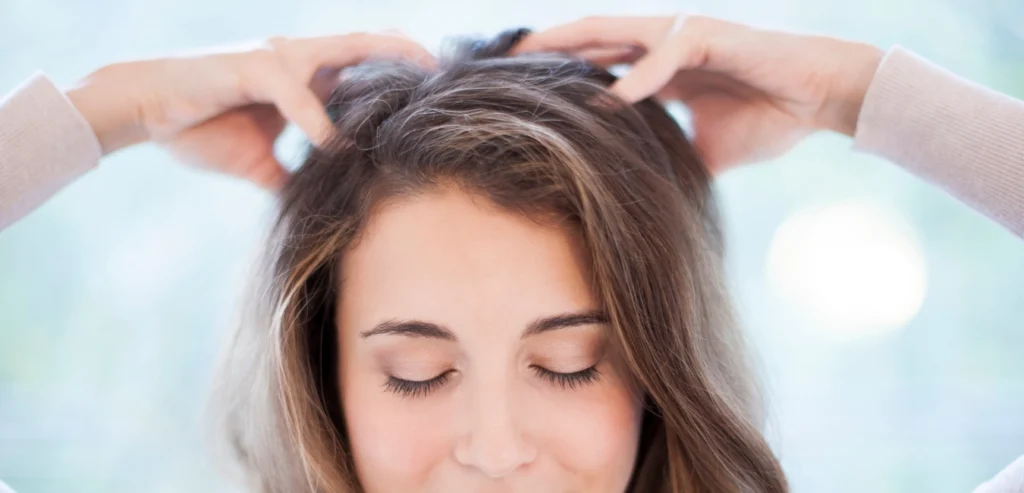
How common is scalp pain?
Scalp sensitivity is more common than many people realise.
Population research suggests that 30% to 50% of people report having a sensitive scalp at some point, although severity varies widely.
In people with hair loss disorders, scalp pain can occur even more frequently. Clinical studies show that around 32% of patients with hair disorders report symptoms such as pain, burning, or itching of the scalp, a condition known as trichodynia.
These symptoms are particularly associated with conditions such as:
- telogen effluvium
- androgenetic alopecia
- alopecia areata
Trichodynia: The “hair hurts” syndrome
One of the most recognised explanations for painful hair movement is trichodynia, sometimes called burning scalp syndrome.
The condition was first described in dermatology literature as a painful sensation of the hair or scalp, often reported by patients as if the hair were “bent in the wrong direction.”
People with trichodynia often describe:
- aching or bruised scalp
- burning sensations
- discomfort when combing or brushing hair
- pain when moving hair in a different direction
When to be concerned about scalp pain
Most scalp tenderness improves within a few days. However, medical advice may be needed if you experience:
- persistent pain lasting more than one week
- visible rash or sores
- swelling or infection
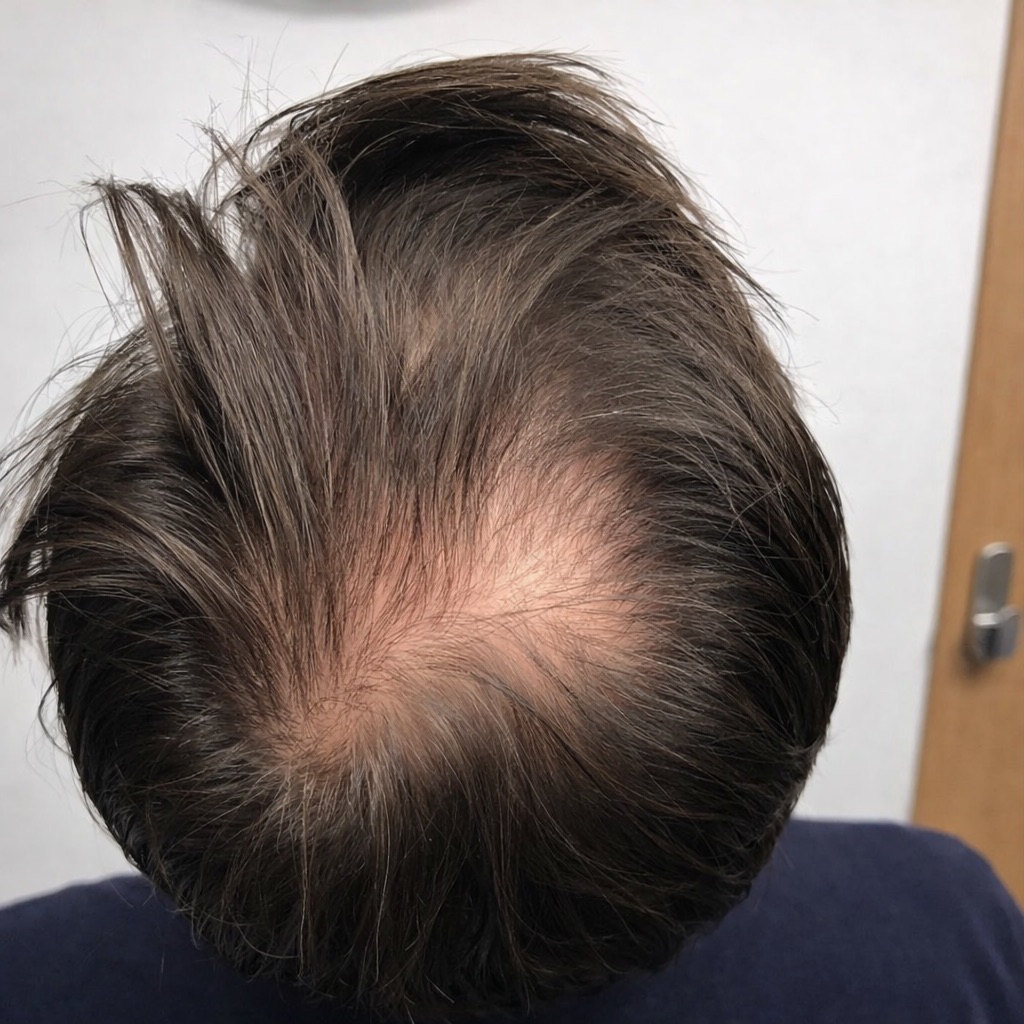
- sudden hair loss with scalp pain
- severe headaches or neurological symptoms
These symptoms may indicate a condition that requires medical treatment.
| Warning Sign | What It Might Indicate | When to Seek Help |
|---|---|---|
| Severe, sudden pain | Infection or injury | Immediately |
| Pain with fever | Infection | Within 24 hours |
| Visible rash or sores | Skin condition needing treatment | Schedule appointment |
| Persistent pain (>1 week) | Underlying condition | Schedule appointment |
| Hair loss with pain | Various conditions | Schedule appointment |
| Pain after head injury | Possible concussion | Immediately |
| Pain with visual changes | Neurological issue | Immediately |
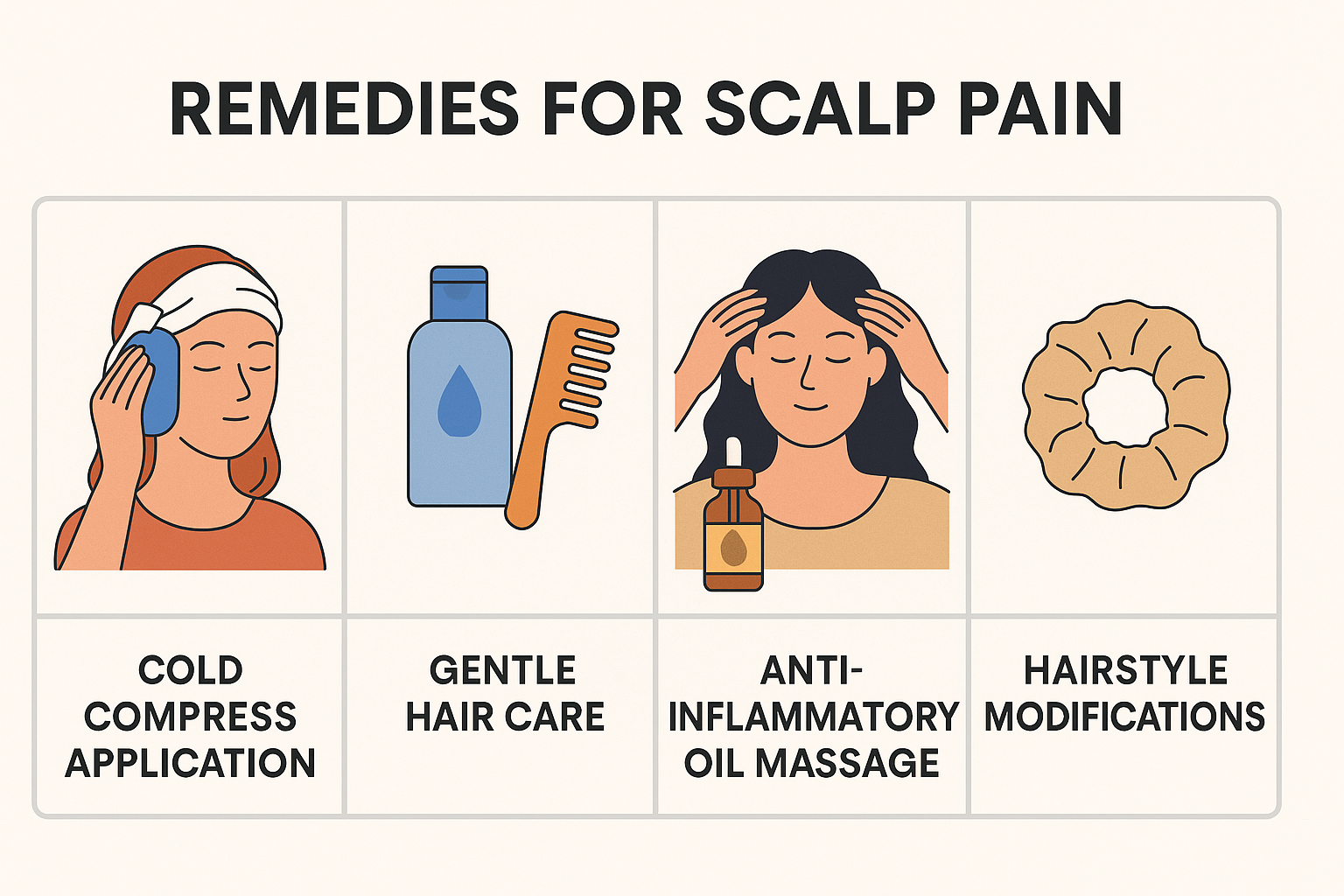
Home remedies for immediate relief
Mild scalp discomfort may improve with simple measures.
Cold Compress
Applying a cool compress to the scalp for 10–15 minutes may reduce inflammation.
Gentle Hair Care
Use mild shampoos designed for sensitive scalps and avoid harsh styling products.
Looser Hairstyles
Avoid tight hairstyles and allow the scalp time to recover from tension.
Natural Oils
Light scalp massage with oils such as coconut or argan oil may help soothe irritation.
Medical treatments for scalp pain
If symptoms persist, medical treatment may be required depending on the underlying cause.
Possible treatments include:
- topical corticosteroids for inflammatory scalp conditions
- antifungal shampoos for seborrheic dermatitis
- antibiotics for folliculitis
- migraine treatments for neurological scalp pain
When scalp pain is linked to hair loss conditions, targeted treatments may also be recommended.

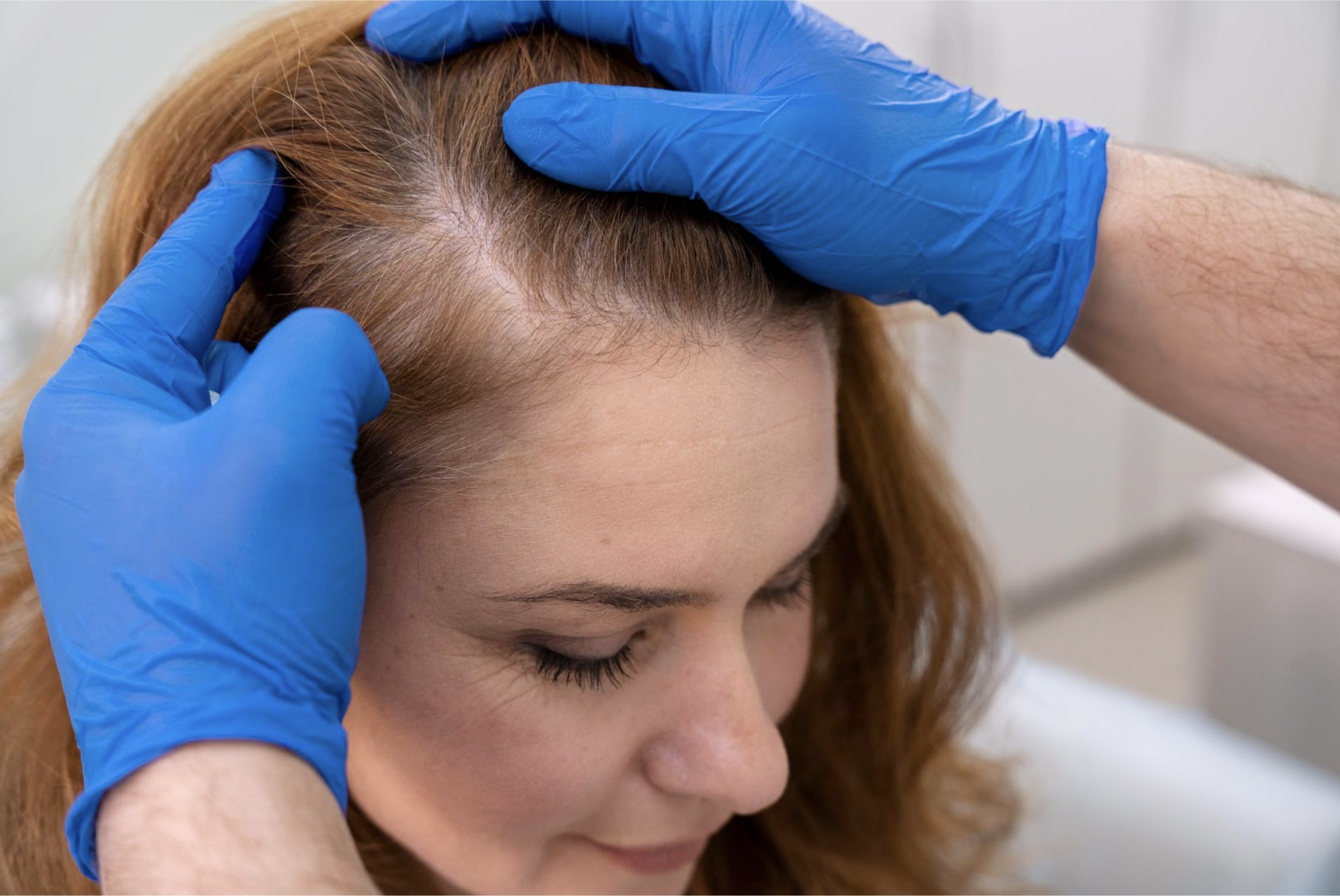
If your scalp pain continues or you are noticing hair thinning, a professional assessment can help identify the cause and guide the right treatment.
- Medical Disclaimer:
This article is provided for informational purposes only and reflects current medical understanding of scalp and hair conditions. It should not replace professional medical advice, diagnosis, or treatment. If you are experiencing persistent scalp pain or hair loss, consult a qualified healthcare professional.
 CALL US
 WHATSAPP