






A bad hairline involves receding temples, thinning or patchy edges and miniaturised hairs. Early signs include an M-shaped recession, more visible scalp, and increased shedding. Early action improves treatment effectiveness.
- Dr Suhail Alam
- Reading Time: 10 Mins
Around half of men in the UK notice hair loss by age 50. The tricky part is that those early signs creep up slowly. You might blame bad lighting or a new mirror before accepting that something’s changing. This article walks you through exactly what to look for, why it happens, and when you should talk to a specialist.
Key Takeaways
- Early signs include receding temples forming an M-shape, thinning at the frontal hairline, miniaturised hairs, and shedding more than 100 hairs daily.
- Causes range from genetics and ageing to hormonal shifts, stress, lifestyle factors, and medical conditions like alopecia areata.
- Monitoring changes monthly with consistent photos helps identify progression, and seeking expert assessment early opens up more treatment options that actually work.
Table of Contents
What Is a “Bad” Hairline?
A bad hairline shows signs of pathological hair loss rather than normal variations. Specifically, we’re talking about receding temples that keep moving backwards, thinning density along your frontal hairline, uneven or patchy edges, and hair strands becoming noticeably finer over time.
The Difference Between Natural Maturation and Recession
Many of those men out there develop what’s called a mature hairline. This happens naturally in your late teens to mid-twenties, when your juvenile hairline moves back about 1 to 1.5 centimetres. Then it stops.
A receding hairline doesn’t stop. It keeps progressing, often creating that distinctive M-shape at the temples. The frontal hairline continues moving backwards, and the corners deepen over months and years.
Women typically experience different patterns. Instead of temple recession, female pattern hair loss shows up as diffuse thinning across the top and crown, with the frontal hairline often staying relatively intact.
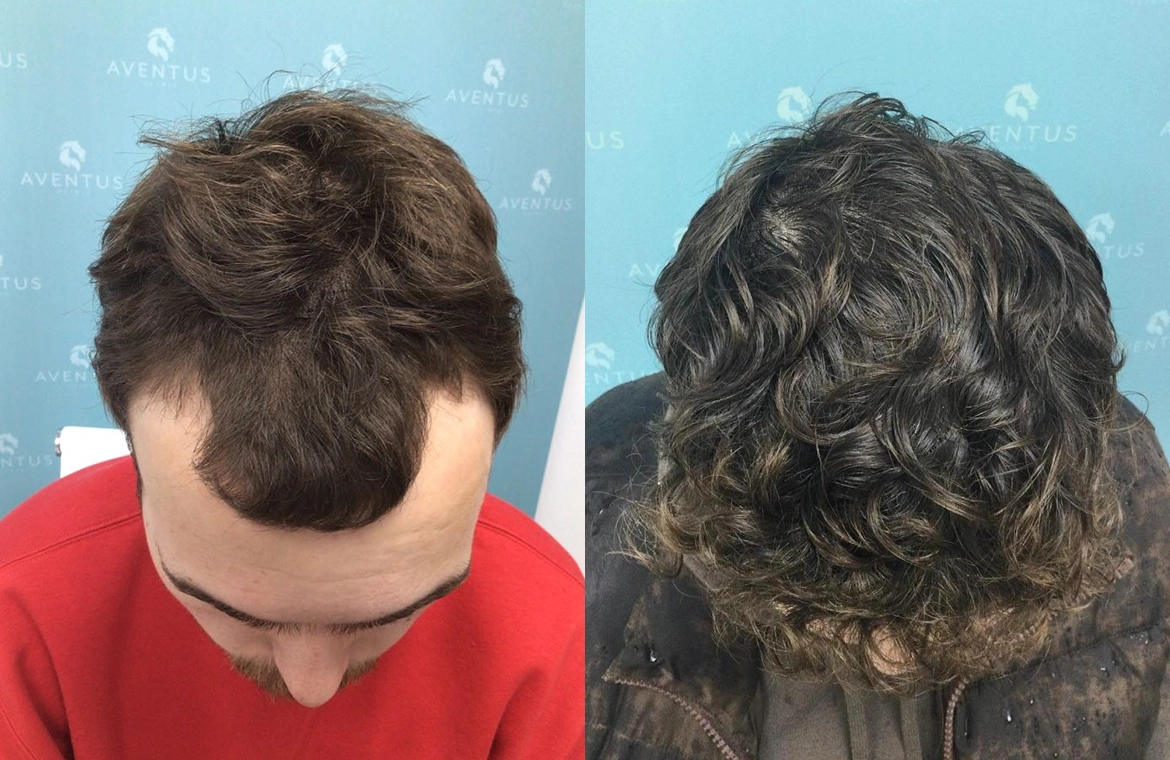
Early Warning Signs of a Bad Hairline
What you’ll notice first often depends on your hair loss pattern and genetics. But certain signs consistently show up early, giving you a window to act.
Receding Temples (M-Shaped Pattern)
This is the earliest and most common indicator in men. Your temples start moving backwards, creating that classic M-shape where the corners recede faster than the centre.
Research shows that temple recession beyond 1.5 to 2 centimetres from its original position usually signals male pattern baldness rather than natural maturation. When you start noticing the angle at your temples becoming sharper and deeper, that’s your cue.
The progression might be slow. You could lose a few millimetres one year, then more the next. But the pattern stays consistent, working backwards from those vulnerable temple areas.
Thinning at the Frontal Hairline
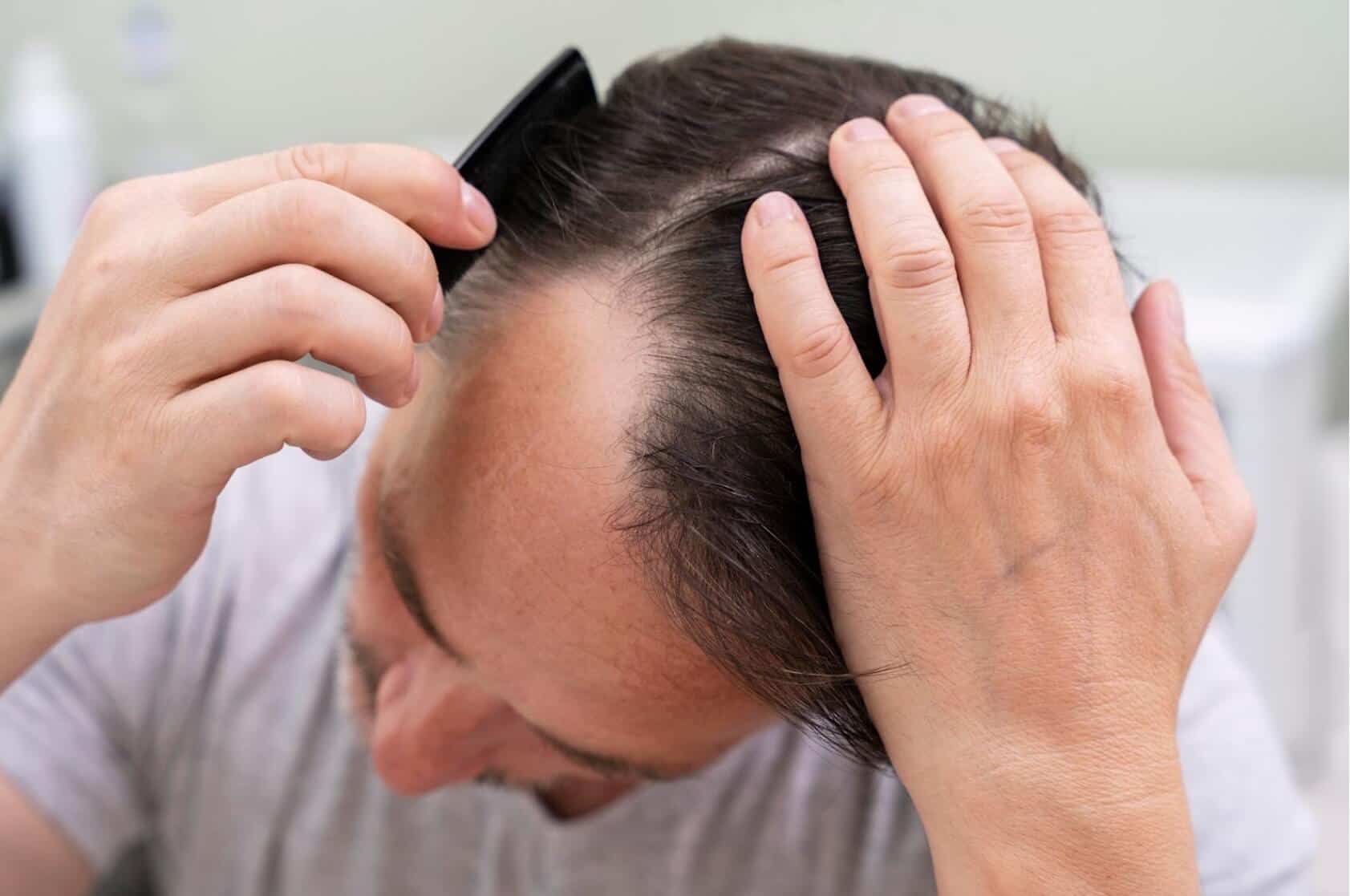
Reduced density along your frontal hairline means you can see more scalp when looking straight on. The edge might look feathered or wispy rather than forming a solid line.
This thinning doesn’t always mean the hairline is moving back. Sometimes it stays in the same position but loses volume, making the transition between your forehead and hair less defined.
Women particularly notice this type of thinning, where the hairline maintains its position but becomes see-through rather than dense.
Miniaturised Hairs
Here’s where science gets interesting. DHT (dihydrotestosterone, a hormone converted from testosterone) binds to vulnerable hair follicles and gradually shrinks them. When you notice fine, baby-like hairs along your hairline instead of your normal terminal hairs, that’s miniaturisation in action. It’s a hallmark sign of androgenetic alopecia and indicates follicles under stress.
Increased Daily Shedding
Everyone sheds hair. Losing 50 to 100 strands daily is completely normal as part of your hair’s growth cycle.
Shedding more than 100 hairs consistently, especially if you notice clumps in the shower or on your pillow, suggests something’s changed. This could be stress-related (telogen effluvium), hormonal, or linked to nutritional deficiencies.
Common Causes of a Bad Hairline
Androgenetic alopecia, or genetic pattern baldness, accounts for the majority of progressive hair loss in the UK. It’s all about DHT sensitivity. Certain hair follicles, particularly those at your temples and crown, have receptors that respond to DHT by shrinking. Over time, these follicles miniaturise and eventually stop producing visible hair. According to the NHS, male pattern baldness is hereditary and thought to affect most men at some point in their lives.
Hormones play a massive role, particularly for women. Perimenopause and menopause trigger shifts in oestrogen and progesterone that can unmask genetic hair loss predispositions. For men, the testosterone-to-DHT conversion remains the primary hormonal concern. Some men produce more DHT or have follicles that are more sensitive to it, accelerating the miniaturisation process.
Telogen effluvium is a fancy term for stress-induced shedding. Physical stress, such as surgery, illness, or rapid weight loss, or emotional stress, can push large numbers of hair follicles into the resting phase simultaneously.
Diet matters too. Iron deficiency, low protein intake, and deficiencies in vitamins like B12 and D all impact hair health. Research published in Dermatology and Therapy highlights the connection between nutritional factors and hair loss.
Treatment Options
Catching changes early expands your options significantly.
At-Home Options
The NHS recognises minoxidil as an effective treatment for androgenetic alopecia. Applied topically, it extends the growth phase of hair follicles and can slow or partially reverse thinning.
Nutritional support matters too. Ensuring adequate iron, protein, biotin, and vitamin D supports overall hair health, though deficiencies need proper testing rather than guessing.
Stress reduction through exercise, better sleep, and managing anxiety can help reduce telogen effluvium and general shedding.
Clinic Treatments
When at-home measures aren’t enough, medical interventions offer stronger results.
PRP therapy involves drawing your own blood, processing it to concentrate platelets and growth factors, then injecting it into your scalp. This stimulates follicle activity and can improve density.
FUE hair transplants relocate healthy follicles from donor areas, usually the back of your head, to thinning or receding areas. We perform this procedure with precision, creating natural-looking results that last.
If you’re weighing treatment options, understanding the differences between FUE hair transplants versus PRP therapy gives you a clearer picture of what addresses genetic hair loss most effectively.
Moreover, Crown hair transplants address thinning at the back of your head, completing comprehensive restoration when needed.
When to See a Specialist
Don’t wait until a significant loss has occurred. Certain signs warrant immediate professional assessment.
Sudden patchy loss, especially circular bald spots, suggests alopecia areata or other conditions needing specific treatment. Redness, inflammation, scaling, or scarring on your scalp indicates possible infections or inflammatory disorders that damage follicles permanently if left untreated.
Rapid recession or severe shedding persisting beyond three months means something significant has changed. Early consultation preserves more follicles and gives treatments better chance of working.
Why Choose Aventus Clinic?
We’re a CQC-registered clinic based in Hertfordshire, conveniently located for those across North London and the surrounding areas. Our medical director, Dr Suhail Alam, has performed over 1,000 FUE hair transplants, bringing extensive experience and precision to every procedure.
We specialise in several treatments addressing different hair loss patterns. Our women’s hair transplant services recognise the unique challenges female clients face. We also offer comprehensive restoration solutions beyond the hairline.
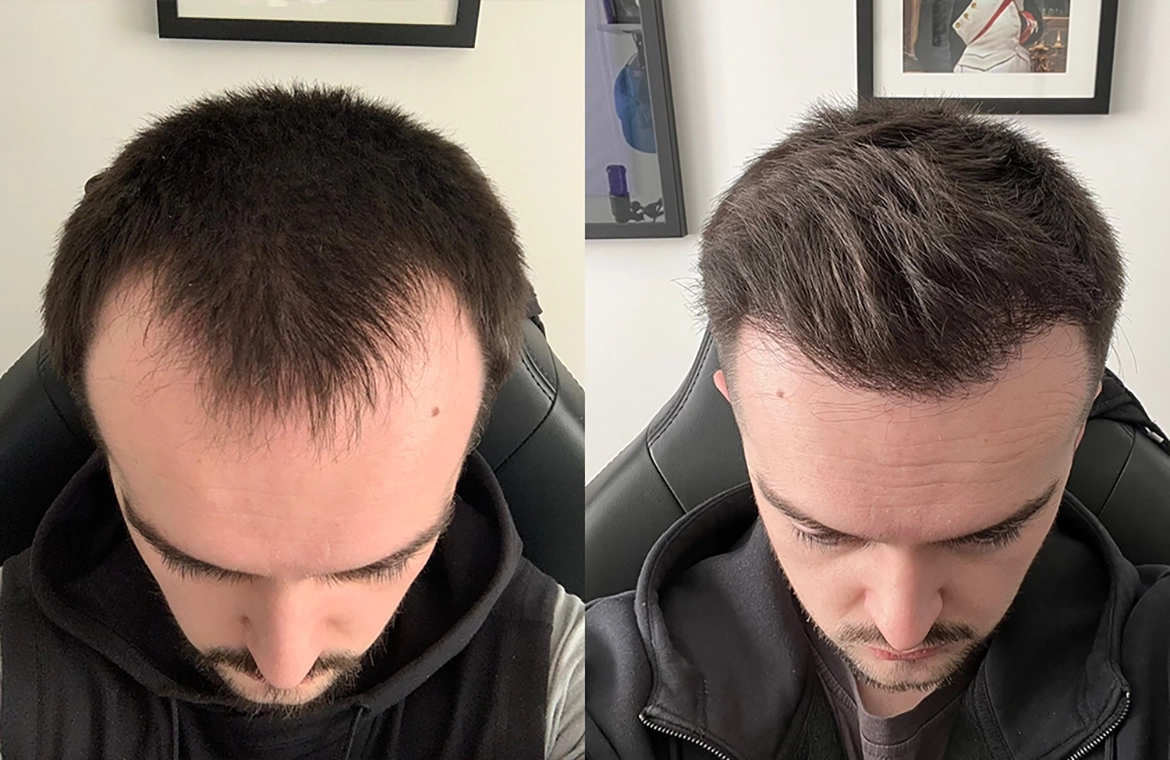
Book Your Free Hair Loss Assessment
Send us a picture of your hairline and get expert advice on early warning signs today.
Conclusion
Recognising early warning signs gives you control over what happens next. Receding temples, frontal thinning, miniaturised hairs, increased shedding, and uneven edges all tell you something’s changing.
If you’ve noticed your hairline shifting and want expert guidance tailored to your situation, we’re here to help. Book a free consultation today, and let’s create a plan that works for you.
Frequently Asked Questions
How can I tell if my hairline is receding versus maturing?
A mature hairline moves back 1 to 1.5 centimetres from your juvenile hairline, then stops, usually by your mid-twenties. A receding hairline continues progressing beyond this point, particularly at the temples, creating deeper angles and an M-shape that keeps advancing over time.
Can a bad hairline be reversed?
Partial reversal is possible depending on the extent of loss and which follicles remain viable. Treatments like PRP therapy can revitalise thinning areas, while FUE hair transplants permanently restore lost hair by relocating healthy follicles. Early intervention offers the best outcomes.
Does stress cause hairline recession?
Stress triggers telogen effluvium, which causes increased shedding rather than permanent recession. This shedding is usually temporary and resolves when the stressor is addressed. However, chronic stress combined with genetic predisposition might accelerate androgenetic alopecia in susceptible individuals.
How long does receding take?
Pattern baldness progresses slowly over years or decades in most cases. The speed varies significantly between individuals based on genetics, DHT sensitivity, and other factors. Sudden rapid changes over weeks or months usually indicate telogen effluvium or medical conditions rather than typical androgenetic alopecia.
When should I see a specialist?
See a specialist if you notice rapid changes over three months, patchy or uneven loss, scalp inflammation or scarring, or if thinning impacts your confidence significantly. Early professional assessment preserves more treatment options and better outcomes.
- Sources
- https://www.nhs.uk/conditions/hair-loss/
- https://www.ncbi.nlm.nih.gov/
- https://www.sciencedirect.com/

 CALL US
 WHATSAPP