






Nizoral shampoo for hair loss is commonly used as a supportive treatment for people experiencing thinning hair alongside dandruff or scalp inflammation.
- Dr Suhail Alam
- Reading Time: 10 Mins
Can nizoral (ketoconazole) shampoo treat hair loss?
Although Nizoral is primarily a medicated anti-dandruff shampoo, its active ingredient, ketoconazole, has been studied for its potential role in improving scalp health and reducing factors associated with androgenetic alopecia (male and female pattern hair loss).
When used correctly, Nizoral shampoo may help reduce scalp inflammation, control fungal overgrowth and support other proven hair loss treatments such as minoxidil or prescription medications. It is not a standalone cure for hair loss, but it can play a useful role as part of a broader, medically guided treatment plan.
Key Takeaways
- Nizoral shampoo may be helpful as a supportive treatment for hair loss, particularly in people with androgenetic alopecia and scalp inflammation
- Its active ingredient, ketoconazole, helps improve scalp health and may mildly reduce local DHT activity
- Nizoral is not a cure for hair loss and should not be relied on as a standalone treatment
- Best results are seen when Nizoral is used consistently alongside proven hair loss therapies
Table of Contents
What is nizoral?
Nizoral® Anti-Dandruff Shampoo is a medicated shampoo containing ketoconazole, a clinically proven antifungal agent. Lower-strength formulations (typically 1% ketoconazole) are available without prescription in many countries, while higher-strength formulations (typically 2% ketoconazole) are available by prescription.
Ketoconazole targets the yeast responsible for scalp scaling, itchiness, and inflammation, factors that can worsen hair shedding and disrupt the normal hair growth cycle.
Primary uses include:
- Treating dandruff
- Treating seborrhoeic dermatitis
- Soothing flaky, itchy scalp conditions
Although Nizoral is not approved specifically for hair loss, ketoconazole shampoo is commonly used as an adjunct treatment in people experiencing thinning hair alongside scalp inflammation or dandruff.
How nizoral shampoo works (ketoconazole explained)
The potential hair-related benefits of Nizoral shampoo come from ketoconazole and its effects on scalp health.
Antifungal and anti-inflammatory action
Ketoconazole reduces the growth of Malassezia yeast, which is commonly associated with dandruff and seborrhoeic dermatitis. Chronic fungal overgrowth can lead to inflammation, itching, and flaking, all of which may disrupt the normal hair growth cycle.
By reducing flaking, itching, and inflammation, ketoconazole helps maintain a scalp environment more conducive to normal hair growth, which may in turn reduce shedding.
Mild effect on DHT activity
Research suggests ketoconazole may have a mild, local anti-androgenic effect in the scalp by reducing activity of the enzyme 5-alpha reductase. This enzyme converts testosterone into dihydrotestosterone (DHT), which contributes to follicle miniaturisation in androgenetic alopecia.
This effect is local and modest and is not equivalent to prescription DHT-blocking medications such as finasteride. Ketoconazole is best viewed as a supportive treatment rather than a replacement for medical therapies.
Scientific evidence on nizoral shampoo for hair loss
Although Nizoral shampoo (ketoconazole) is not approved specifically for treating hair loss, several clinical studies and research reviews suggest it may offer benefits for people with pattern hair loss when used consistently and in the right context.
Key clinical findings include:
- Anti-inflammatory and microflora effects: Ketoconazole’s antifungal and anti-inflammatory properties may help improve scalp health by reducing irritation and microbial imbalance, which can contribute to hair shedding and disrupted hair growth cycles.
- Comparative effects in androgenetic alopecia: Some research has found that a 2% ketoconazole shampoo can improve hair density and follicle size in people with androgenetic alopecia (pattern hair loss). In certain studies, improvements were comparable to those seen with minoxidil, although minoxidil tended to act more quickly.
- Supportive effects in combination treatments: Earlier trials and reviews indicate that ketoconazole used alongside other treatments (such as finasteride or minoxidil) may produce better hair regrowth outcomes than ketoconazole alone.
- Prescription vs over-the-counter strength: Most positive hair loss outcomes in clinical research were observed with 2% ketoconazole, which typically requires a prescription. Lower-strength (1%) versions are widely available without prescription and are primarily used for dandruff control.
Who should consider nizoral shampoo for hair loss?
Nizoral shampoo may be a suitable supportive treatment for individuals who:
- Are in the early stages of male or female pattern hair loss (androgenetic alopecia)
- Experience hair thinning alongside dandruff, flaking, or seborrhoeic dermatitis
- Use topical treatments such as minoxidil and struggle with scalp irritation or persistent scaling
- Want to improve overall scalp health as part of a broader, medically guided hair loss treatment plan
By reducing scalp inflammation and fungal overgrowth, Nizoral may help create a healthier environment for hair growth and improve tolerance to other treatments.
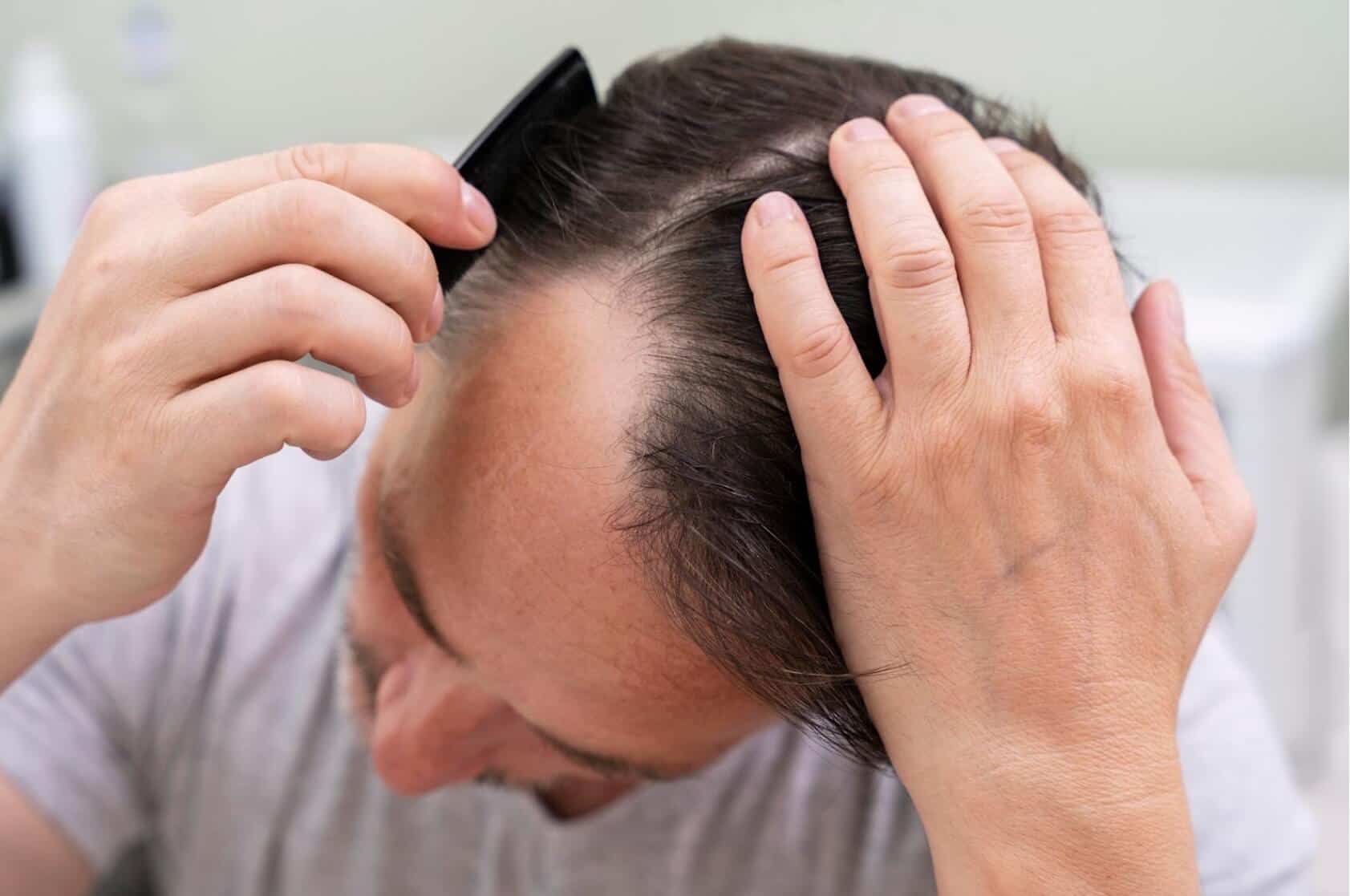
Nizoral is unlikely to be effective for scarring alopecias, autoimmune hair loss conditions (such as alopecia areata), or hair loss caused by systemic illness, nutritional deficiencies, or medication use.
Which types of hair loss may respond best?
Nizoral shampoo is most likely to be helpful for:
- Androgenetic alopecia (as a supportive treatment)
- Hair loss associated with dandruff or seborrhoeic dermatitis
- Inflammation-related shedding
It is unlikely to be effective for:
- Scarring alopecia
- Autoimmune hair loss (e.g. alopecia areata)
- Hair loss caused by systemic illness, nutritional deficiency, or medication
How to use nizoral for hair loss
Correct use is essential to gain any potential benefit.
Recommended application
Wet your hair and scalp thoroughly. Apply Nizoral shampoo and massage it into the scalp using gentle circular motions, ensuring it reaches the skin rather than just the hair lengths. Leave the shampoo on the scalp for 3–5 minutes, then rinse thoroughly.
Treatment frequency
Use Nizoral shampoo twice weekly, spacing applications evenly. Using it more frequently does not improve results and may increase irritation. On non-Nizoral days, use a regular shampoo.
Hair care tips
- Use a clean towel each time
- Avoid applying conditioner to your scalp, as this may interfere with the medication. Apply conditioner only to mid-lengths and ends if needed
- Pat hair dry gently rather than rubbing
- Wait at least 24 hours between applications to prevent scalp sensitivity
Using more shampoo or applying it more often does not increase effectiveness and may worsen dryness or irritation.
Potential side effects and precautions
Nizoral shampoo is generally well tolerated. Possible side effects include:
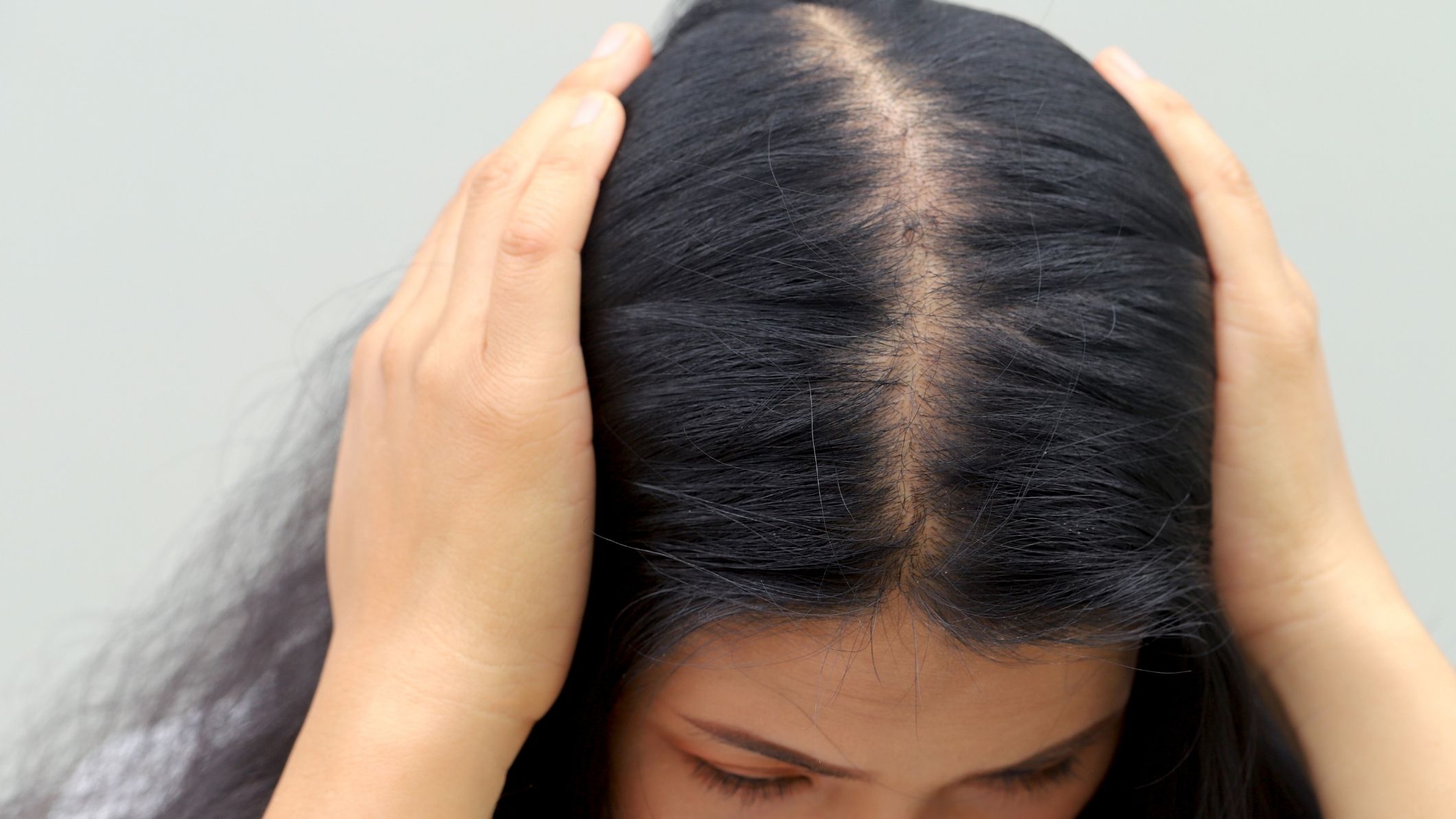
- Dry or irritated scalp (most common in the first 2–3 weeks)
- Changes in hair texture
- Mild itching or burning
- Temporary increased shedding
Most side effects are mild and improve as the scalp adjusts. If irritation persists, reduce use to once weekly or discontinue and seek medical advice.
If you are pregnant, breastfeeding, or have a pre-existing scalp condition, consult a healthcare professional before use.
Important considerations when using nizoral shampoo
Nizoral shampoo works gradually, and any initial hair shedding during the first few weeks shouldn’t cause alarm. This temporary shedding can actually indicate that the treatment is working, as your hair cycles through its growth phases.
If you have a pre-existing scalp condition or sensitive skin, we recommend performing a patch test before full application. Apply a small amount of the shampoo to a discrete area and wait 24 hours to check for any adverse reactions.
Pregnancy and medical conditions
If you’re pregnant, breastfeeding, or have any underlying medical conditions, consult with a healthcare professional before starting Nizoral for hair loss. While topical ketoconazole is generally considered safe, it’s important to discuss your individual circumstances with a medical expert.
Can nizoral cause hair thinning?
Hair thinning is listed as a possible side effect, but reports are rare. In some cases, temporary increased shedding may occur due to telogen effluvium, a short-term response to scalp irritation. This type of shedding is usually reversible once the trigger is removed.
If hair loss worsens after starting Nizoral:
- Stop using the shampoo
- Seek professional assessment to identify the cause
Nizoral vs minoxidil for hair loss
Nizoral shampoo and minoxidil are often discussed together, but they serve different purposes.
| Feature | Nizoral (Ketoconazole Shampoo) | Minoxidil |
|---|---|---|
| Primary role | Improves scalp health | Stimulates hair regrowth |
| How it works | Reduces fungal overgrowth, inflammation and local scalp irritation; may mildly reduce local DHT activity | Increases blood flow to hair follicles and prolongs the growth (anagen) phase |
| Effect on DHT | Mild, local scalp effect only | No direct effect on DHT |
| Evidence strength | Moderate, supportive | Strong, first-line treatment |
| Speed of results | Slow and subtle | Faster and more noticeable |
| Regrowth potential | Limited | Clinically proven |
| Typical use | Supportive, adjunct treatment | Primary hair loss treatment |
| Suitable for long-term use | Yes (1–2 times weekly) | Yes (ongoing use required) |
Studies suggest ketoconazole shampoo may modestly improve hair density and shaft thickness, particularly in androgenetic alopecia. However, effects are subtle and slow to appear.
Minoxidil has stronger and more consistent evidence for promoting hair regrowth and remains a first-line treatment for pattern hair loss.
Using nizoral alongside other hair loss treatments
In practice, Nizoral shampoo is rarely used alone. It is commonly combined with treatments such as:
- Minoxidil
- Finasteride or dutasteride (under medical supervision)
- Low-level laser therapy (LLLT)
- PRP or PRF treatments
By improving scalp health and reducing irritation, Nizoral may help other treatments be better tolerated and more effective as part of a combined approach.
When to expect results from nizoral shampoo
Understanding realistic timelines for Nizoral shampoo treatment helps manage expectations and ensures consistent use. Like most hair loss treatments, results don’t appear overnight, and patience is essential for success.
Initial timeline
During the first few weeks of treatment, you may notice improvements in scalp condition before seeing any changes in hair growth. Some users report initial hair shedding – this is normal and typically indicates that new growth cycles are beginning.
When to expect results
- Most users begin to notice positive changes after 2-3 months of consistent use. These typically include:
- Reduced scalp irritation and inflammation Decreased hair shedding Improved hair texture Initial signs of new growth along the hairline or crown
- For significant hair regrowth results, expect to wait 4-6 months of regular use. Maximum benefits are usually observed after 6-12 months of treatment.
Where to get nizoral shampoo
Lower-strength ketoconazole shampoos (typically 1%) are available over the counter in many pharmacies and some supermarkets. Higher-strength ketoconazole shampoos (typically 2%) are available by prescription and are generally reserved for persistent or severe fungal scalp conditions.
Nizoral shampoo is not usually prescribed solely for cosmetic hair loss. When used in hair loss management, it is typically recommended as a supportive treatment to improve scalp health rather than as a primary regrowth therapy.
Take control of your hair loss today
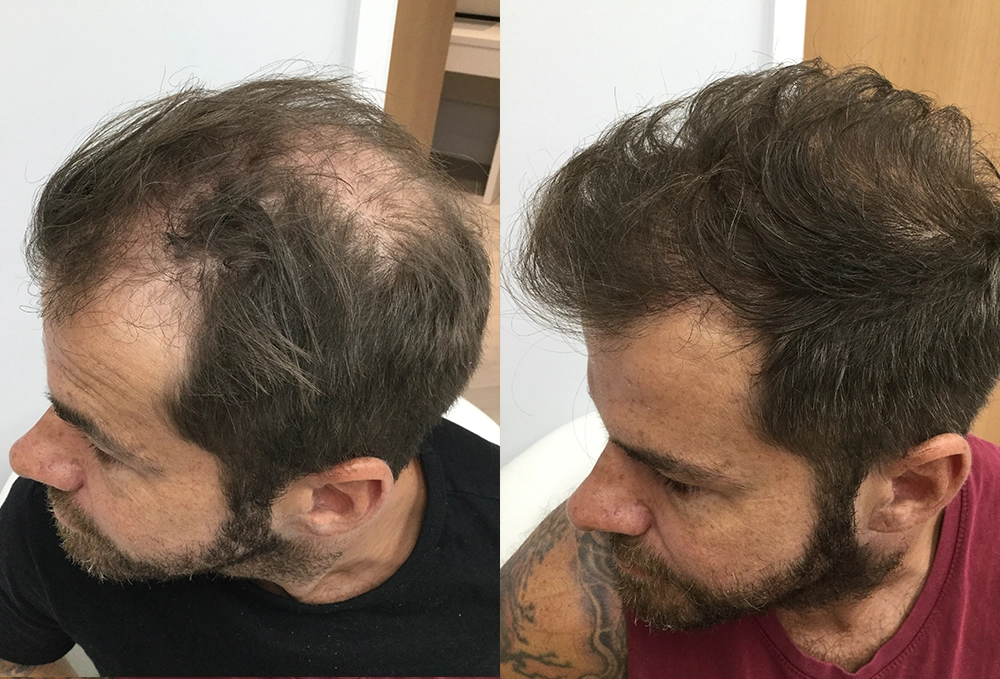
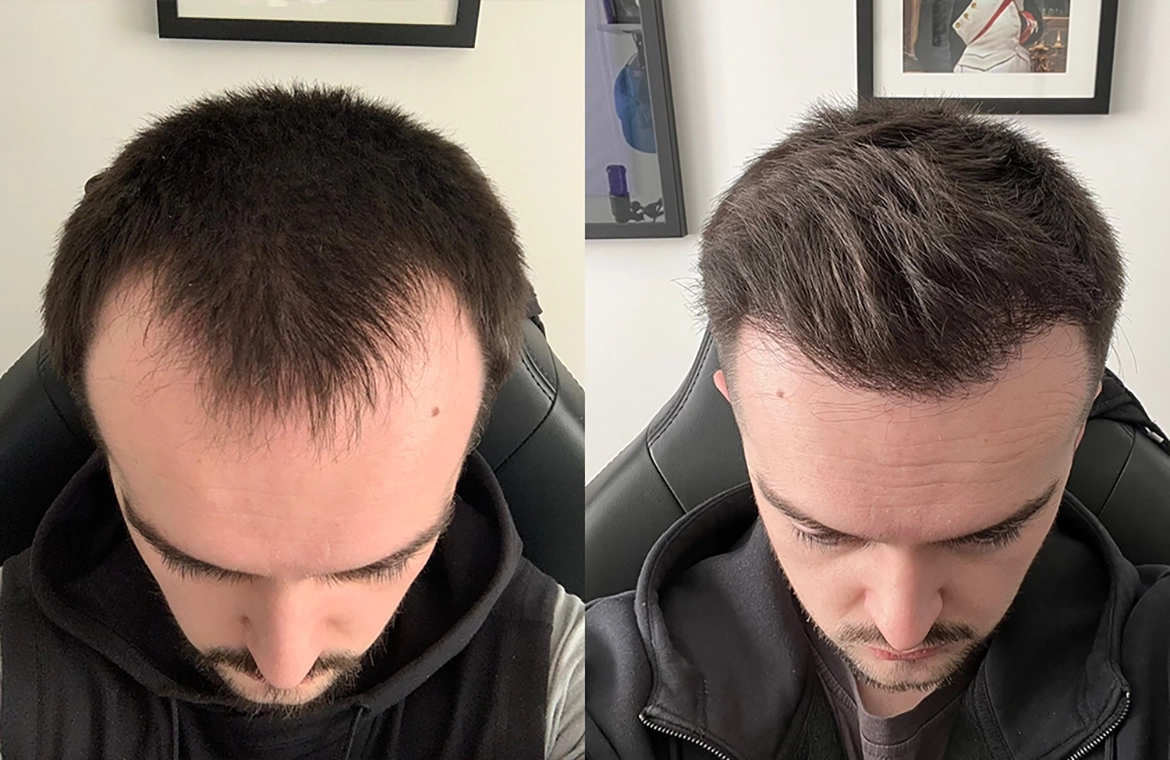
While Nizoral shampoo can be an effective treatment for some, achieving optimal results often requires a comprehensive approach under expert guidance. At Aventus Clinic, our hair restoration specialists understand that each patient’s journey is unique. We combine advanced treatments like FUE hair transplants, PRP therapy, and prescription medications with the latest hair restoration technologies to deliver natural-looking, lasting results.
Ready to take the first step towards restoring your confidence? Book your complimentary consultation with our expert team today. We’ll assess your individual needs, discuss all available treatment options, and create a personalised plan tailored to your goals.
FAQ
Does Nizoral shampoo really work for hair loss?
Ketoconazole shampoo may help improve scalp health and mildly reduce local DHT activity, which can support other hair loss treatments. It does not directly stimulate hair regrowth and should not be considered a primary hair growth treatment.
How often should I use Nizoral shampoo to stimulate hair growth?
For optimal results, use Nizoral as a topical hair loss treatment twice weekly. This frequency allows the active ingredient ketoconazole to effectively combat dandruff and fungal infections while helping to control hair loss without causing scalp irritation.
Is Nizoral effective for androgenic alopecia?
Yes, Nizoral shampoo has been shown to help treat androgenic alopecia (pattern hair loss) by blocking DHT production in the scalp. It’s particularly effective when combined with other treatments like minoxidil or prescribed medications.
Should Nizoral be applied only to the scalp or through the hair as well?
Nizoral should be applied primarily to the scalp, not the hair lengths. Ketoconazole works on the scalp skin, where fungal activity and inflammation occur. Applying it through the hair can increase dryness without adding benefit. Any excess lather can be gently rinsed through the hair when washing out.
Why does my hair feel drier or different after using Nizoral?
Many users report that hair feels drier, rougher, or thicker after using Nizoral. This is because ketoconazole shampoos are more cleansing than standard shampoos and can strip natural oils from the hair shaft. Using a conditioner on the mid-lengths and ends (not the scalp) can help counteract this effect.
Can I use conditioner when using Nizoral?
Yes, but conditioner should be applied only to the hair lengths and ends, not the scalp. Applying conditioner to the scalp may reduce the effectiveness of ketoconazole and increase build-up, particularly if you are using Nizoral to manage dandruff or inflammation.
Is it normal for dandruff or flaking to get worse at first?
Some people experience temporary increased dryness or flaking when starting Nizoral, especially if they previously used mild shampoos. This is usually due to scalp adjustment or overuse. Reducing frequency to twice weekly and avoiding other medicated shampoos often resolves this.
Can Nizoral increase hair shedding at the start?
Temporary increased shedding can occur, usually due to scalp irritation or telogen effluvium, a short-term shedding response to stress on the scalp. This type of shedding is typically reversible and should settle once the scalp adapts or if use is reduced.
How long do side effects from Nizoral last after stopping?
Mild scalp irritation such as dryness, redness, or itching typically resolves within days to a few weeks after stopping Nizoral. Temporary changes in hair texture or scalp dryness often return to normal once regular hair care routines resume. In rare cases, any hair thinning or shedding experienced during use may stabilise after discontinuation, but regrowth depends on the underlying cause of hair loss and overall scalp health.
What happens if I stop Nizoral and then start again?
You can safely restart Nizoral without long-term risk. Resuming use may again help control scalp conditions and improve scalp health. Any potential hair maintenance benefits will return if the scalp environment improves. Nizoral alone is generally less effective for stimulating hair regrowth compared to treatments targeting hormonal or genetic hair loss.
Will stopping Nizoral cause hair loss to return?
Stopping Nizoral does not directly cause hair loss. However, if dandruff, fungal overgrowth, or inflammation returns after stopping, shedding related to poor scalp health may recur. Nizoral does not permanently alter the underlying causes of genetic hair loss.
Can Nizoral Shampoo cause hair loss?
In rare cases, Nizoral may cause temporary shedding or hair thinning. This is usually related to scalp irritation or sensitivity. It is often difficult to determine whether hair loss is caused by the shampoo itself or by underlying scalp or hair conditions. Nizoral is considered primarily a supportive product for scalp health rather than a primary hair growth treatment.
Does Nizoral permanently prevent hair loss?
No, Nizoral does not permanently prevent hair loss. It helps manage scalp conditions, reduce fungal or yeast infections, and may slightly reduce scalp inflammation. It does not address underlying causes of hair loss such as genetics or hormonal imbalances. Once use stops, any scalp benefits cease and the original hair loss process will continue.
Is Nizoral suitable for women with hair loss?
Yes, Nizoral can be used by women, particularly those with female pattern hair loss accompanied by dandruff or scalp inflammation. However, it should be viewed as a supportive treatment rather than a primary therapy.
Should I stop Nizoral before starting other hair loss treatments?
No. Nizoral can usually be continued alongside other hair loss treatments unless irritation occurs. In some cases, improving scalp health first may help improve tolerance to topical treatments such as minoxidil.
Get personalised advice from a hair restoration expert today.
- Sources
- https://biomeddermatol.biomedcentral.com/articles/10.1186/s41702-019-0046-y
- https://www.researchgate.net/publication/337760319_Trichogenic_effect_of_topical_ketoconazole_versus_minoxidil_2_in_female_pattern_hair_loss_a_clinical_and_trichoscopic_evaluation
- https://www.researchgate.net/publication/13616077_Ketoconazole_Shampoo_Effect_of_Long-Term_Use_in_Androgenic_Alopecia
- https://pubmed.ncbi.nlm.nih.gov/9669136/


 CALL US
 WHATSAPP