






Yes, plantar warts can spread to other areas of the body, including the face, but this is very uncommon. The virus spreads through direct contact or through small breaks in the skin. However, the strains that cause plantar warts prefer thicker skin, such as the soles of the feet, making the face a less favourable area. Transmission to the face is therefore unlikely and usually only occurs if the virus is directly transferred to broken or irritated skin.
- Dr Sharon Crichlow
- Reading Time: 10 Mins
Plantar warts (verrucae) are common skin growths that affect the soles of the feet. While these growths typically develop on pressure points, many people wonder if they can spread to other areas of the body, including the face. The short answer is yes, but there’s more to the story.
Key Takeaways
- While plantar warts can spread to your face through touch, it’s uncommon as these HPV strains prefer thick foot skin.
- Prevent transmission by washing hands after touching warts and using separate grooming tools for feet and face.
- Avoid touching your face after handling plantar warts, and see a dermatologist if warts appear on facial skin.
Table of Contents
What are plantar warts and what causes them?
Plantar warts are small, rough growths that typically appear on the weight-bearing areas of your feet, like heels and balls of the foot. Unlike warts elsewhere, they often grow inward due to the pressure of walking.
These warts are caused by specific types of HPV, mainly types 1, 2, 4, 27, and 57. These viral strains love the thick skin on your feet and enter through tiny cuts or breaks in your skin.
About 7-12% of the general population has cutaneous (skin) warts at any given time. Children are especially susceptible, with studies showing warts in up to 33% of children aged 4-15, with prevalence increasing with age.
You might recognise a plantar wart by its rough, grainy appearance and the presence of tiny black dots, which are actually small blood vessels. Many people also experience pain when walking or standing, as if they have a stone in their shoe.
| Characteristic | Details |
|---|---|
| Appearance | Rough, grainy growth with a cauliflower-like texture |
| Location | Weight-bearing areas of feet (heels, balls of feet) |
| Special Features | May contain black dots (clotted blood vessels) |
| Sensation | Often painful when walking or standing |
| Growth Pattern | Tends to grow inward due to pressure |
Can plantar warts spread to your face?
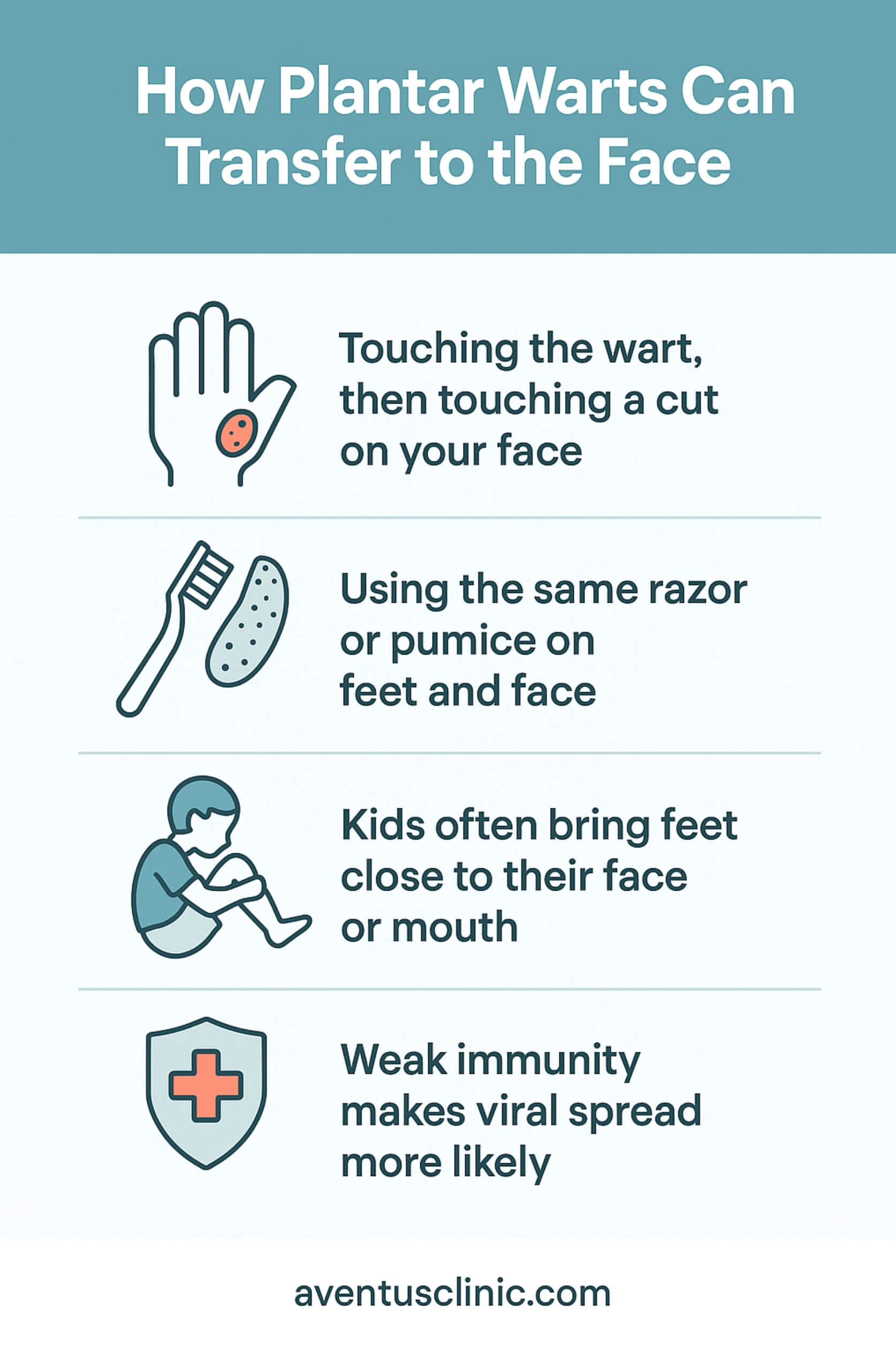
Yes, plantar warts can technically spread to your face, but this is relatively uncommon. The HPV virus from a plantar wart can transfer to facial skin, though it happens rarely in everyday situations.
The reason it's uncommon is that plantar wart-causing HPV strains strongly prefer the thick skin of your feet. Warts that appear on the face are usually caused by different HPV types (3, 10, 28, or 49), which favour thinner skin. So while the risk isn't zero, it's considerably lower than the wart spreading to nearby skin on your feet or to your hands.
How HPV spreads to other body parts
HPV spreads primarily through skin-to-skin contact or via contaminated surfaces. The virus enters through tiny breaks in your skin barrier and begins replicating.
Friction and small skin injuries significantly increase transmission risk. Once the virus has infected one area of skin, autoinoculation can occur. This means the virus spreads from one part of your body to another through scratching, picking, shaving, or other forms of contact.
Public places like swimming pools and communal showers are common sites for picking up the virus. The warm, moist environment helps the virus survive longer and potentially infect more people.
Early signs of warts on feet, hands, and face
Recognising warts early can help prevent their spread. Different body areas show different symptoms.
| Location | Appearance | Feel | Common Symptoms |
|---|---|---|---|
| Feet (Plantar) | Rough, grainy lesions with black dots | Often painful when pressed | May cause pressure pain when walking |
| Hands | Raised, rough bumps with a cauliflower texture | Usually painless | May be embarrassing visually |
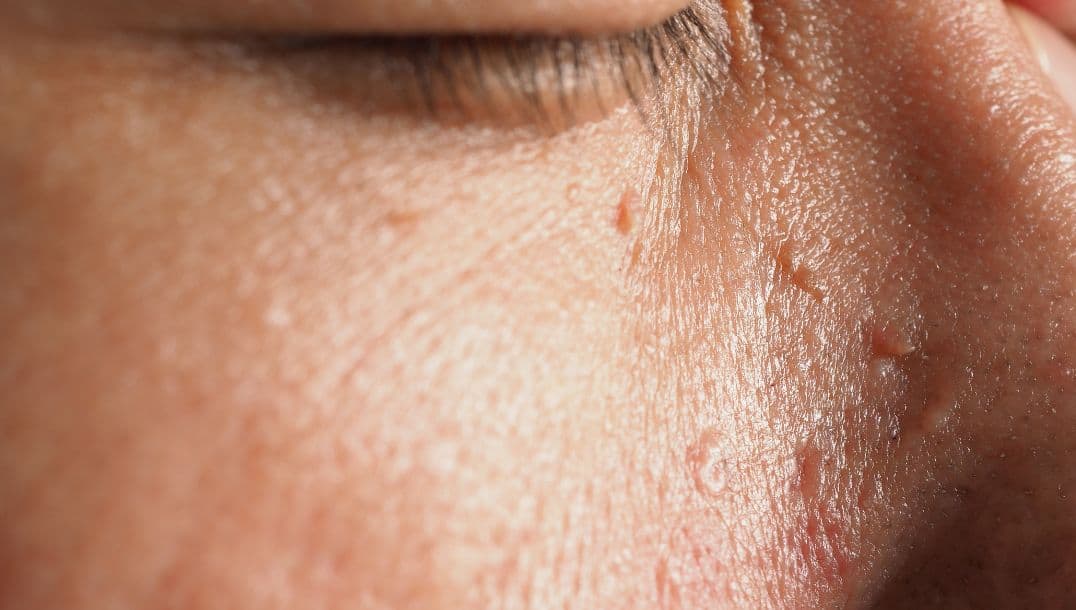
| Face | Small, flat, smooth bumps | Painless | Often appear in clusters or lines |
Plantar warts (Feet)
On the feet, look for a small, rough area that may be painful when you apply pressure. You might notice disrupted skin lines and small black dots within the lesion. The wart often appears flat due to the pressure of walking.
Hand warts
Hand warts typically look raised and rough with a cauliflower-like texture. They’re usually flesh-coloured, grayish-brown, or slightly darker than surrounding skin. Unlike plantar warts, they grow outward rather than inward.
Facial warts
Facial warts come in two main types:
- Flat (plane) warts: Small, smooth, slightly raised lesions that often appear in clusters. They’re typically flesh-coloured and much less rough than other warts.
- Common warts: When they appear on the face, these are usually around the mouth or beard area and look similar to hand warts, but may be smaller.
Warts usually develop within 2-6 months after exposure to HPV, though this timeline can vary widely based on individual immune response.
How to prevent warts from spreading
Preventing warts from spreading requires consistent attention to hygiene and avoiding certain behaviours.
Keep warts covered. Use waterproof plasters on plantar warts, especially in communal areas or when swimming.
- Don’t touch warts unnecessarily. If you do touch them during treatment, wash your hands thoroughly afterward.
- Use separate tools. Never use the same file, pumice stone, or razor on both your warts and healthy skin.
- Maintain good foot hygiene. Keep feet clean and dry, and change socks daily.
- Wear flip-flops. Always wear footwear in public showers, swimming pools and changing rooms.
For specific face protection, maintain separate grooming tools for face and feet. Never shave over areas with warts, as the blade can spread the virus along the shaving line.
Also, resist the temptation to pick, scratch, or bite nails if you have warts on your fingers; these habits create direct pathways to your face.
When to see a dermatologist for warts
While many warts resolve on their own (about 50% in children within a year), some situations warrant professional attention.

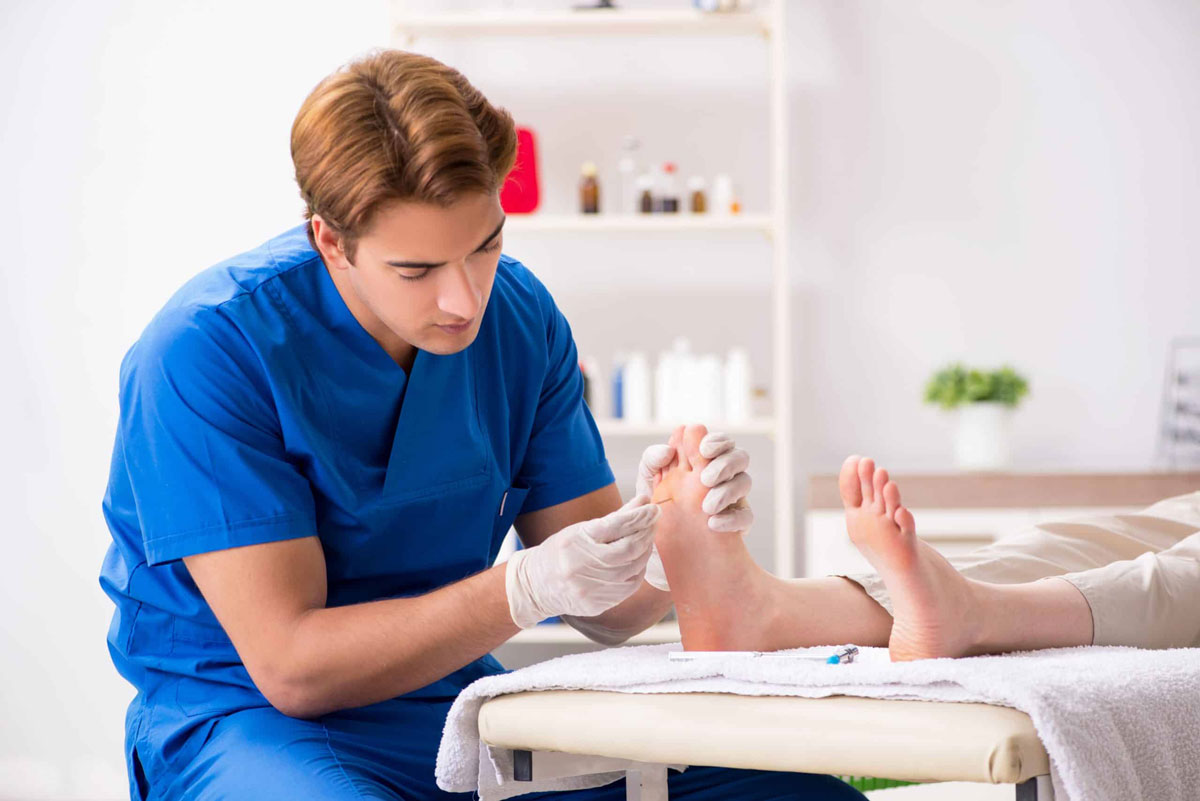
Our wart and verruca removal treatments offer effective solutions when home remedies fail. Professional treatments often work faster and more thoroughly than over-the-counter options.
Remember that about 50-65% of warts clear on their own within two years. However, this doesn’t mean you should ignore them, especially if they cause pain or concern.
Conclusion
Plantar warts can technically spread to your face, but with proper hygiene and preventive measures, this risk remains low. If you’re concerned about warts on any part of your body, take our free online assessment to discuss your treatment options. Our specialist can help you address persistent or concerning warts safely and effectively.
FAQs
Can plantar warts spread through touch?
Yes, plantar warts can spread through direct skin-to-skin contact. The virus enters through tiny breaks in the skin barrier, so touching someone else’s wart could potentially transfer the virus if you have small cuts or breaks in your skin.
How likely is it to get a wart on the face?
Getting a wart on your face from a plantar wart is possible, but relatively uncommon. Facial warts are usually caused by different HPV types than those causing plantar warts. Good hygiene practices significantly reduce this already low risk.
Can shaving spread warts?
Absolutely. Shaving over warts can spread the virus along the shaving path by creating tiny cuts and dispersing viral particles. This is why flat warts often appear in lines on areas that are regularly shaved.
Do plantar warts go away on their own?
Yes, many plantar warts resolve without treatment. Studies show that about 50% of children with warts are wart-free after one year, and about 67% after two years. Adults typically clear warts more slowly than children.
Is HPV from the feet the same as HPV on the face?
Not usually. Different HPV types prefer different body areas. Plantar warts are typically caused by HPV types 1, 2, 4, 27, and 57, while facial warts are often caused by types 3, 10, 28 or 49. However, cross-infection is possible, just less common.
Medical Disclaimer: This article is for general information only and does not replace personalised medical advice. Plantar warts are caused by the human papillomavirus and can spread through direct or indirect contact. If you have concerns about spreading warts or notice new lesions on the face or other areas, consult a qualified healthcare professional for appropriate assessment and treatment.

Get started with out free online assessment, upload your photo to receive professional advice.


 CALL US
 WHATSAPP