






Noticing more hair in your brush or seeing changes in your hairline can feel worrying. Many people start asking the same question: “Am I going bald?”
Hair loss rarely happens suddenly. In most cases it develops gradually, with subtle changes appearing months or even years before visible baldness occurs. Hair follicles normally follow a repeating growth cycle, and changes to this cycle can lead to thinning hair and increased shedding.
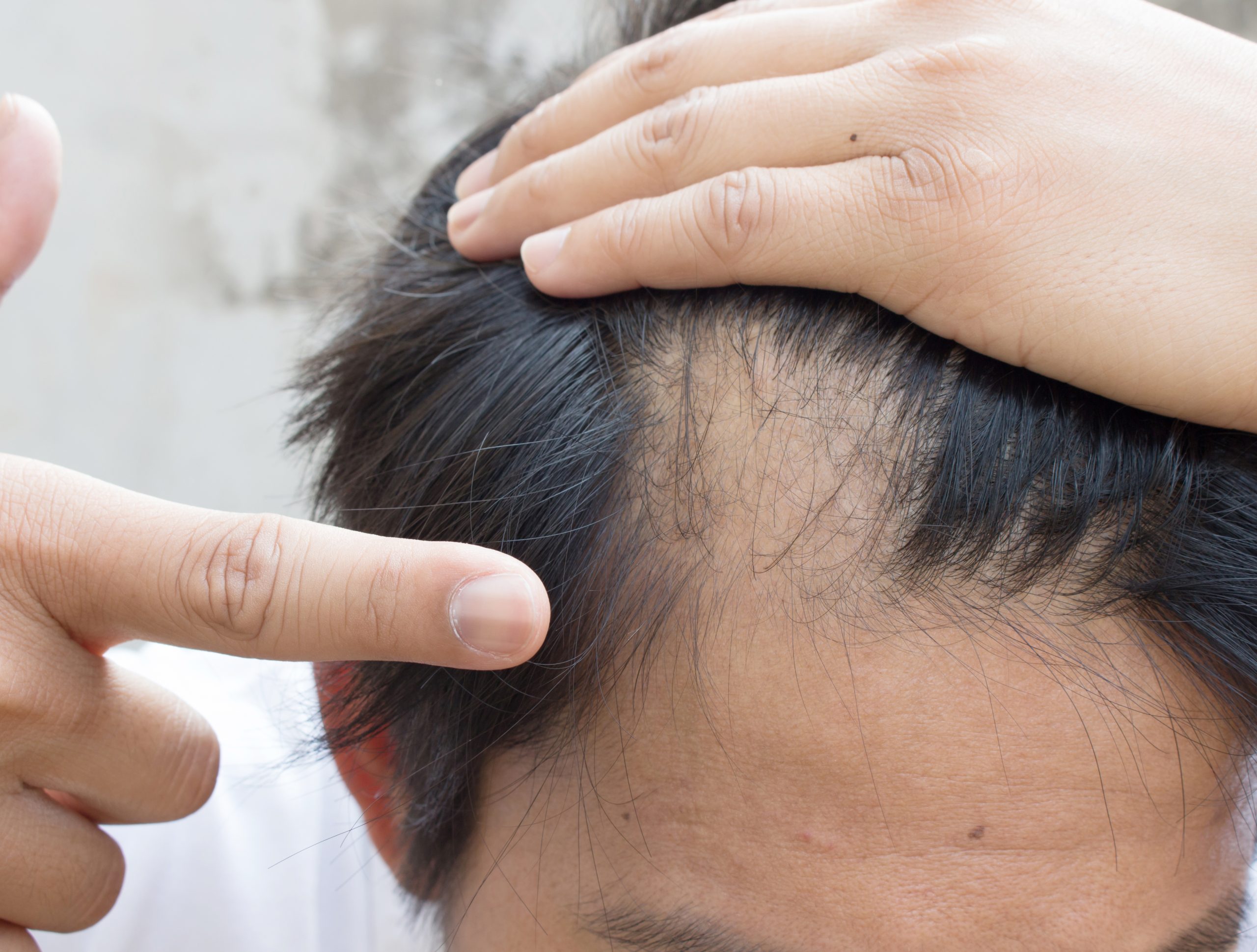
Recognising the early warning signs of hair loss can help you seek professional advice sooner and explore treatments that may slow the progression of hair loss.
This article explains the early signs of balding, the biological causes of hair loss, and the treatment options available.
Identifying the early signs of balding
Hair loss usually progresses slowly and may not be obvious at first. Many people initially notice changes in hair thickness, hair density, or hairline shape rather than complete bald patches. Early warning signs often include:- receding hairline
- thinning hair at the crown
- increased hair shedding
- reduced hair density
- difficulty styling hair due to
- reduced volume
In androgenetic alopecia, hair follicles do not disappear immediately. Instead, they gradually shrink and produce thinner hair shafts during each growth cycle. Because this process occurs over several years, early detection can help individuals explore treatment options before more significant hair loss develops.
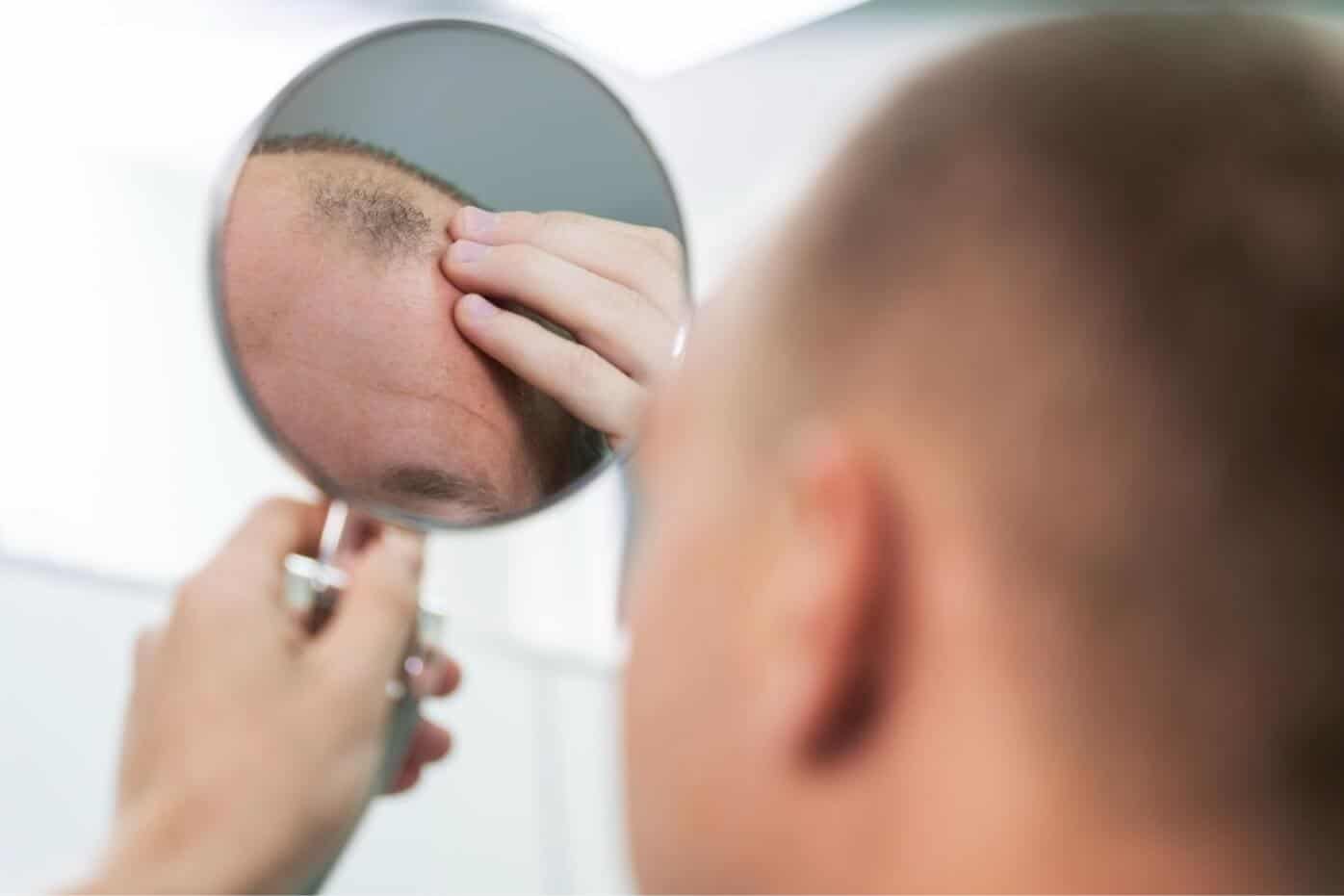
Receding hairline
A receding hairline is one of the most recognisable early signs of male pattern baldness.
This typically begins at the temples, where the hairline gradually moves backwards and may form the characteristic M-shaped pattern associated with androgenetic alopecia.
Hair loss in this region occurs because genetically susceptible hair follicles respond to androgens, particularly dihydrotestosterone (DHT), which causes progressive follicle miniaturisation.
Over time this may lead to:
- shorter hair growth cycles
- thinner hair shafts
- reduced hair density
However, it is important to remember that not every high hairline indicates balding, as some individuals naturally develop a mature hairline as they age.
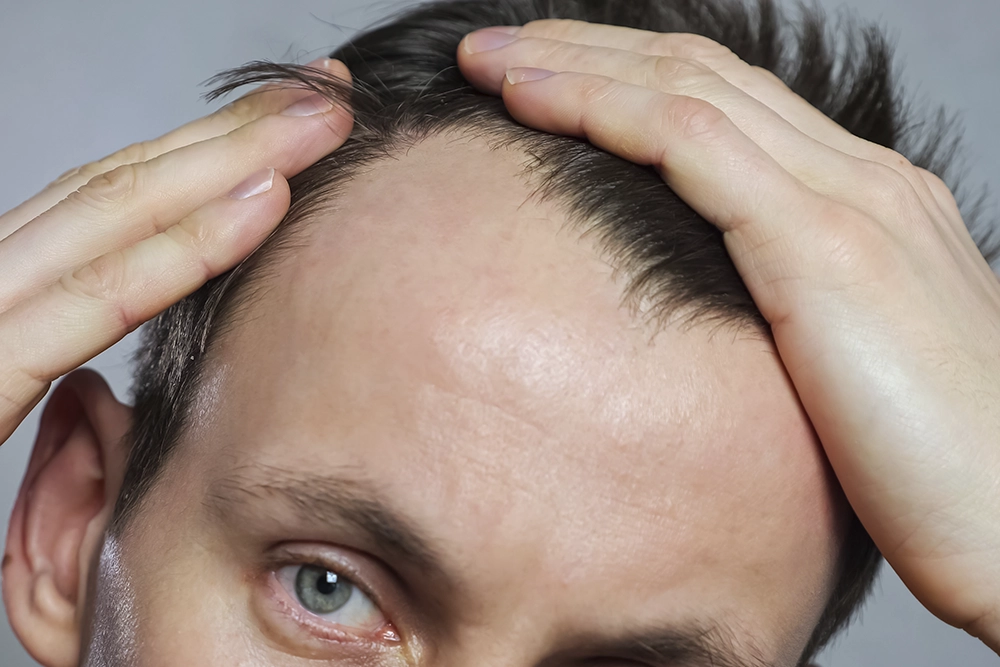
Thinning hair on the crown
Another early sign of balding is thinning at the crown, also known as the vertex of the scalp.
This may appear as:
- increased scalp visibility
- reduced hair density
- a circular thinning pattern at the top of the head
In male pattern hair loss, thinning commonly begins at the temples and vertex before gradually progressing across the scalp. In women, pattern hair loss often appears differently. Female pattern hair loss typically causes diffuse thinning across the top of the scalp, often with widening of the central hair part rather than a receding hairline.
Increased hair shedding
Hair shedding is a normal part of the hair growth cycle. Most people naturally shed around 50 to 100 hairs each day as older hairs enter the telogen phase and fall out.
However, increased shedding may occur when the hair cycle is disrupted.
One common cause is telogen effluvium, a condition where a large number of hair follicles prematurely enter the resting phase of the growth cycle.
This may be triggered by:
- illness or surgery
- hormonal changes
- nutritional deficiencies
- significant emotional stress
In many cases, telogen effluvium is temporary and hair growth gradually returns once the underlying trigger is resolved.
Difficulty styling your hair
A subtle early sign of hair loss is difficulty styling hair in the way you previously could.
As hair follicles produce thinner strands, overall hair density may decrease. This can make hair appear flatter and less full.
People may notice:
- hairstyles no longer hold their shape
- hair appears thinner under bright lighting
- increased scalp visibility
These changes often occur before visible bald patches develop.
What causes premature balding?
Hair loss can occur for a variety of reasons.
The most common cause is androgenetic alopecia, a hereditary condition influenced by both genetic and hormonal factors. Androgenetic alopecia affects both men and women and is the most common form of hair loss worldwide.
Other contributing factors may include:
- genetic predisposition
- hormonal imbalances
- stress and illness
- nutritional deficiencies
- certain medications
Understanding the underlying cause of hair loss helps determine the most effective treatment approach.
Genetic factors
Genetics play an important role in determining whether someone may develop pattern hair loss. Androgenetic alopecia has a strong hereditary component and is associated with genetic sensitivity of hair follicles to androgen hormones.
However, genetics do not determine exactly when hair loss will begin or how quickly it will progress. Environmental and lifestyle factors may also influence the progression of hair loss.
Hormonal factors
Hormones are another important factor in hair loss. In androgenetic alopecia, dihydrotestosterone (DHT) binds to susceptible hair follicles and gradually causes them to shrink.
This leads to:
- shorter hair growth cycles
- thinner hair strands
- reduced hair density
Over time, affected follicles may stop producing visible hair.
Stress and medical conditions
Certain medical conditions or stressful events can disrupt the normal hair growth cycle.
Telogen effluvium is a form of hair loss that occurs when many hair follicles enter the resting phase simultaneously, resulting in noticeable shedding several months later.
Triggers may include:
- physical illness
- surgery
- emotional stress
- nutritional deficiencies
In many cases, this condition is temporary and hair growth eventually resumes.

When hair loss becomes permanent
Hair loss may be temporary or long term depending on the underlying cause. Some types of hair loss resolve naturally once the trigger is treated, while others develop gradually and may become permanent if the underlying condition progresses.
Understanding the difference between temporary and progressive hair loss can help determine when treatment may be needed.
See our guide on hair transplant recovery timeline to understand what happens after treatment.
Temporary hair loss
Temporary hair loss can occur when the normal hair growth cycle is disrupted. One common example is telogen effluvium, a condition in which a large number of hair follicles enter the resting phase of the hair cycle at the same time.
This often results in noticeable hair shedding several months after a trigger such as:
- illness or surgery
- significant physical or emotional stress
- hormonal changes
- nutritional deficiencies
In many cases, hair growth gradually returns once the underlying cause has been addressed and the hair growth cycle returns to normal.
Pattern hair loss and follicular miniaturisation
Hair loss caused by androgenetic alopecia, commonly known as male or female pattern hair loss, is usually progressive. This condition is influenced by genetic and hormonal factors and gradually affects susceptible hair follicles over time.
In androgenetic alopecia, hair follicles undergo a process known as follicular miniaturisation. During this process:
- the hair follicle gradually becomes smaller
- the growth phase of the hair cycle becomes shorter
- new hairs become thinner and shorter with each cycle
Over time, thick terminal hairs may be replaced by fine vellus hairs, which are shorter, lighter, and provide minimal scalp coverage.
When hair loss appears permanent
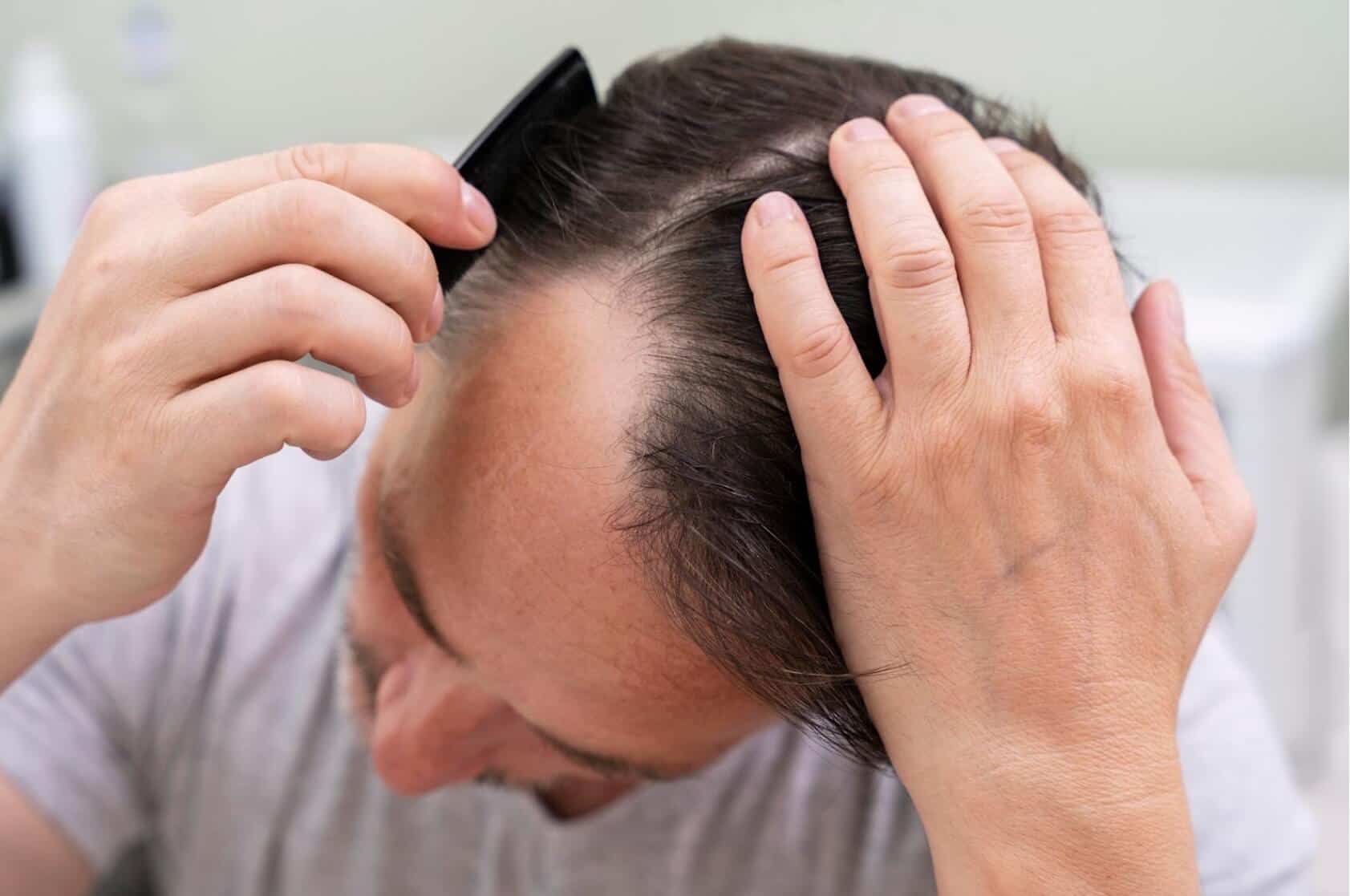
In later stages of pattern hair loss, miniaturised hairs may become extremely fine and short. These hairs may be difficult to see on the scalp and may not provide visible hair coverage.
Although hair follicles usually remain present within the skin, they may no longer produce normal terminal hairs. As a result, the affected area can appear bald even though microscopic follicles are still present
Because this process occurs gradually, early treatment is often recommended when the first signs of pattern hair loss appear.
You can learn more about how this progression develops in our guide to the stages of male pattern balding.
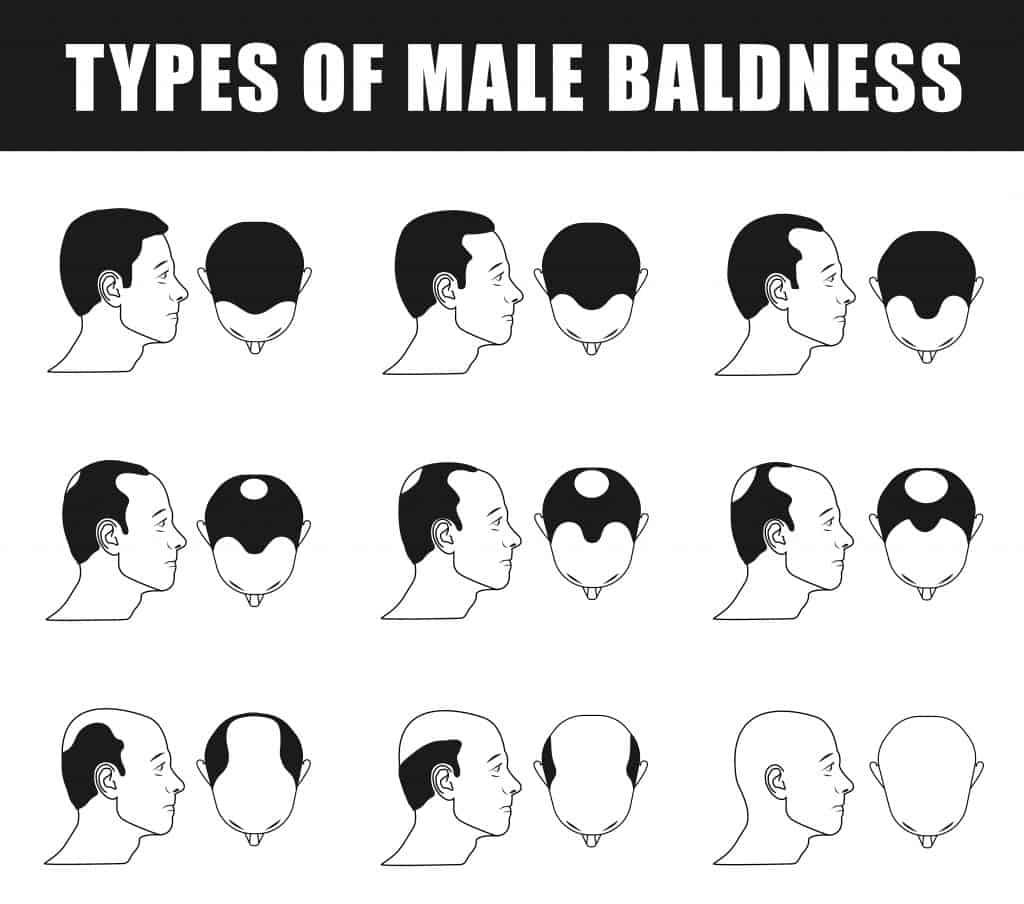
Treatment options for advanced hair loss
Medical treatments such as minoxidil or finasteride may help slow follicular miniaturisation and support hair growth in certain patients, particularly when treatment begins during the early stages of hair loss.
If significant hair loss has already occurred and follicles are no longer producing visible hair, hair transplant surgery may be considered. Hair transplantation works by relocating healthy follicles from areas of the scalp that are genetically resistant to hair loss to areas affected by thinning or baldness.
Conclusion
Hair loss often develops gradually, with early signs appearing long before visible baldness occurs.
Common warning signs include a receding hairline, crown thinning, increased shedding, and reduced hair density. Recognising these changes early can help individuals seek professional advice and explore treatment options before more significant hair loss develops.
Can a receding hairline grow back naturally?
A receding hairline caused by androgenetic alopecia usually does not regrow naturally without treatment. This type of hair loss occurs when hair follicles gradually shrink due to hormonal and genetic factors. However, treatments such as minoxidil or finasteride may help slow further recession and support hair growth in some individuals.
How can I tell if my hair is thinning or just naturally fine?
Hair thinning typically involves a gradual reduction in hair density, meaning fewer hairs grow from each area of the scalp. Signs of thinning may include increased scalp visibility, reduced hair volume, or widening of the hair part. Naturally fine hair usually maintains consistent density but has thinner individual hair strands.
Can nutritional deficiencies cause hair loss?
Yes. Certain nutritional deficiencies may contribute to hair thinning or increased shedding. Low levels of iron, vitamin D, zinc, and protein have been associated with some forms of hair loss. Addressing these deficiencies through diet or medical guidance may help restore normal hair growth in some cases.
Does wearing hats cause hair loss?
Wearing hats does not cause hair loss. Hair loss is primarily influenced by genetics, hormones, medical conditions, or disruptions to the hair growth cycle. However, extremely tight headwear that causes constant friction or tension may occasionally contribute to a type of hair loss known as traction alopecia.
Is early hair loss always genetic?
Not always. Although androgenetic alopecia is the most common cause of early hair loss, other factors may also contribute. These can include hormonal changes, medical conditions, certain medications, stress, and nutritional deficiencies. A medical evaluation may help determine the underlying cause.
Can lifestyle changes stop hair loss?
Lifestyle adjustments alone cannot usually stop genetic hair loss. However, maintaining good overall health may support scalp and hair health. A balanced diet, stress management, and avoiding excessive heat or chemical hair treatments may help reduce additional stress on the hair.
How early should hair loss treatment begin?
Hair loss treatments are generally most effective when started during the early stages of thinning or hairline recession. At this stage, many hair follicles are still active but may be producing thinner hairs. Early intervention may help slow follicular miniaturisation and preserve existing hair.

Book a free hair assessment and speak with our hair restoration specialists about your treatment options.
- Medical Disclaimer:
This article is provided for informational purposes only and reflects current medical understanding of hair loss conditions. It should not replace professional medical advice, diagnosis, or treatment. Individuals concerned about hair loss should consult a qualified healthcare professional.


 CALL US
 WHATSAPP