






Most itchy moles result from skin dryness, friction, or minor irritation rather than cancer, but persistent itching with changes in size, colour, or bleeding requires dermatologist evaluation.
Most itchy moles stem from harmless causes, such as dry skin, friction from clothing, or temporary irritation, rather than from serious conditions. This guide covers common benign reasons for mole itching and red flag symptoms requiring medical attention, so you know when to book a dermatologist appointment. Early evaluation really matters because skin cancer becomes easier to treat when detected promptly.
Key Takeaways
- Itchy moles usually result from skin dryness, friction, allergic reactions, or minor trauma rather than cancer in most cases.
- Persistent itching lasting weeks combined with size changes, colour darkening, bleeding, or crusting requires prompt dermatologist evaluation and assessment.
- Clinical examination using dermatoscopy and biopsy when necessary remains the only reliable method for diagnosing melanoma versus benign lesions.
Why a mole may become itchy
Moles become itchy through several everyday mechanisms unrelated to serious skin conditions or cancer development. Skin irritation around mole edges occurs from cosmetic products, soaps, or environmental allergens contacting the area.
Several everyday skin factors that make a mole feel itchy (which are usually temporary and harmless) are:
- Dry or sensitive skin that can trigger itching in both normal skin and raised moles, especially during colder weather when moisture levels drop
- Friction from clothing seams, jewellery, bra straps, or watch bands can repeatedly rub against a mole and cause irritation
- Shaving over or near a mole may lead to minor trauma and inflammation, resulting in temporary itching during healing
- Sun exposure, small scratches or reactions to skincare products can create localised inflammation that makes a mole feel itchy
In most cases, these triggers settle once the underlying irritation improves. Keeping the skin hydrated and reducing friction can help ease symptoms. However, if the itching persists or is accompanied by visible changes, it is important to monitor the mole more closely.
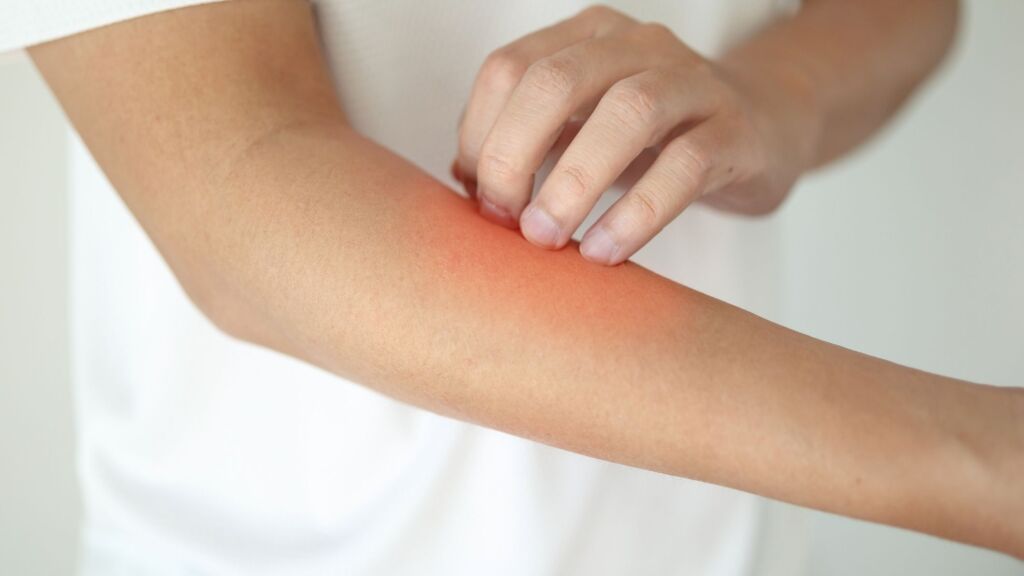
Common causes of an itchy Mole
Most mole itching stems from harmless temporary conditions affecting surrounding skin rather than changes within moles themselves, allowing simple management through moisturising and irritant avoidance.
Below are some of those causes that commonly lead to temporary itching around a mole:
Skin dryness and irritation
Dry skin represents the most common cause of mole itching, especially during winter months or following harsh soap use. Low humidity environments and aging skin reduce natural moisture retention, creating itch sensations across larger skin areas including mole locations.
Allergic skin reactions
Contact allergies to skincare products, laundry detergents, fabric softeners, or synthetic clothing materials trigger localised itching affecting skin and moles simultaneously. Fragrance ingredients and preservatives commonly cause delayed allergic responses appearing hours after product application.
Minor injury or trauma to the mole
Accidental scratching, picking, bumping, or cutting moles during grooming creates temporary inflammation and itching during healing processes. Tight clothing rubbing raised moles produces similar irritation through repeated mechanical friction against sensitive surfaces.
Hormonal changes affecting the skin
Puberty, pregnancy, menopause, and hormonal medication use alter skin sensitivity and sebum production, occasionally making moles feel itchier during hormonal fluctuation periods. These changes typically resolve as hormone levels stabilise over time.
Sun exposure and UV damage
Sunburn and ultraviolet radiation damage surrounding healthy skin and existing moles, creating temporary itching through inflammatory responses. Repeated UV exposure accumulates damage over years, potentially affecting mole behaviour beyond simple temporary itching.
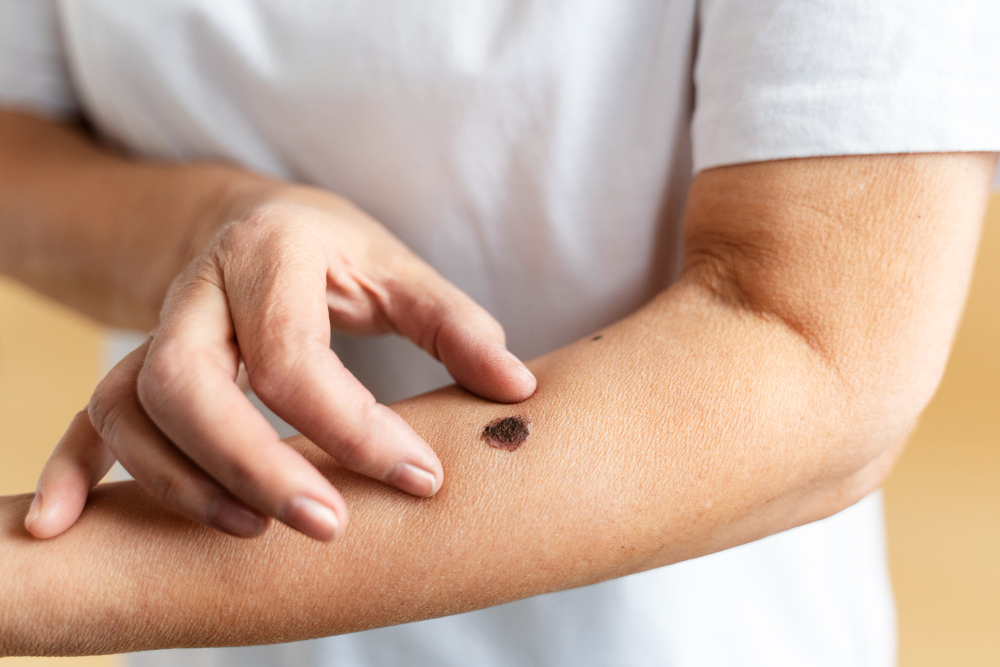
When an itchy mole may be concerning
While most itchy moles prove harmless, specific accompanying symptoms warrant prompt medical evaluation because changes in existing moles raise melanoma risk requiring professional assessment.Persistent itching that does not resolve
Itching lasting several weeks without clear cause or recurring repeatedly after initial resolution deserves evaluation. Research examining melanoma presentations found itching occurred in 22 percent of primary melanomas and associated with deeper Breslow depth measurements, though itching alone remains insufficient for melanoma diagnosis without other changes.Rapid changes in the mole’s size
Noticeable mole enlargement over weeks or months indicates active growth requiring evaluation. Melanomas often demonstrate progressive size increases while benign moles remain stable across years.Darkening or uneven colour changes
Colour variation within single moles, including black, brown, red, white, or blue areas, suggests irregular pigment distribution. Sudden darkening or colour shifts from previous appearance warrant examination regardless of itching presence.Bleeding, crusting or ulceration
Spontaneous bleeding without trauma, persistent crusting, or surface breakdown represent stronger warning signs requiring prompt evaluation. Patient symptom studies show people with thicker melanomas more often described bleeding, oozing, and itch than those with thinner lesions, suggesting these symptoms can appear during later disease stages.Pain or tenderness in the mole
Pain develops less commonly than itching in melanomas but indicates possible deeper invasion when present. Evolution or change over time matters more than individual symptoms because melanoma diagnosis relies on recognising progressive alterations rather than isolated characteristics.Clinical assessment tools, including the seven-point checklist, help doctors systematically evaluate suspicious moles using major criteria, including size change, irregular shape, and irregular colour, alongside minor features like inflammation, crusting, and sensory changes such as itching.
How to prevent mole irritation
Simple protective habits reduce mechanical and environmental irritation affecting moles, decreasing nuisance itching from everyday causes.
The following practices can help minimise mole irritation from everyday triggers and environmental exposure:
- Apply broad-spectrum sunscreen to protect moles from ultraviolet radiation that can cause inflammation and long-term skin changes
- Choose soft, natural fabrics to reduce friction against raised moles compared with rough materials or tight seams
- Avoid aggressive scratching when a mole itches, and use gentle pressure or a cool compress to relieve the sensation instead
- Apply fragrance-free moisturisers to maintain skin hydration and prevent dryness-related itching
- Take care when shaving near or over moles by using electric razors or careful techniques to minimise trauma
Following these steps can significantly lower the chances of everyday irritation affecting your moles. Consistent skin care and protection not only improve comfort but also help you notice any unusual changes more easily over time.
Warning signs of melanoma in an itchy mole
While most itchy moles are not cancerous, certain visual and sensory changes may indicate a higher risk. Recognising these signs early is important for timely diagnosis and treatment.
Moles are usually harmless, but these are some warning signs you should not ignore:
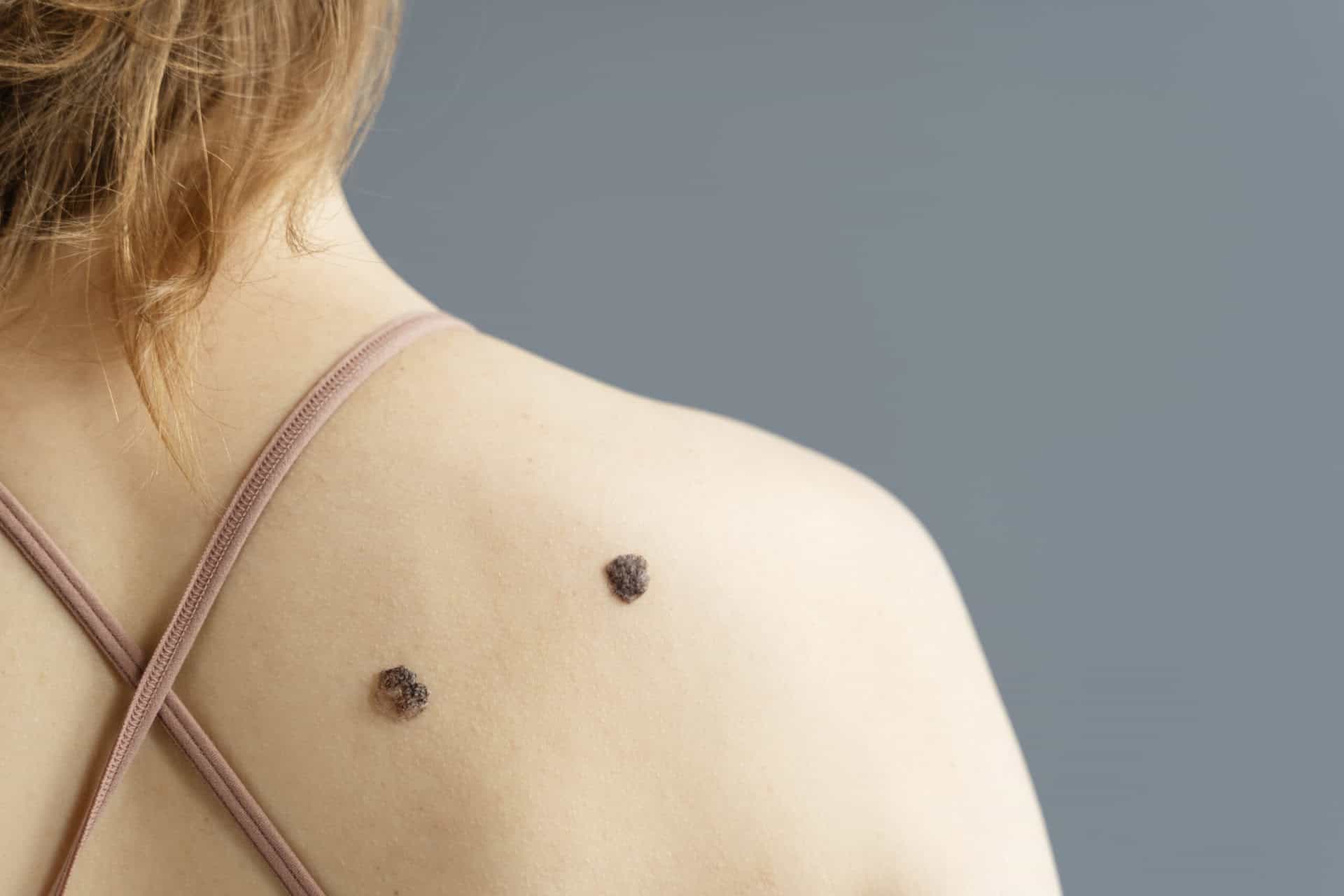
Asymmetry and irregular shape
Normal moles are usually even and symmetrical. If one half of the mole does not match the other in shape or size, it may be a warning sign.
Uneven or multiple colours
A typical mole is one consistent shade of brown. If you notice different colours within the same mole, such as black, red, white, or blue, it should be checked.
Irregular borders around the mole
Benign moles tend to have smooth, clearly defined edges. Borders that appear jagged, blurred, or uneven can indicate abnormal changes.
Changes in size or thickness
A mole that grows larger, becomes raised, or thickens over time especially over a short period may be concerning.
The ABCDE rule for mole assessment
A simple way to assess moles is the ABCDE rule:
- A for asymmetry where both halves do not match
- B for border irregularity such as uneven or blurred edges
- C for colour variation within the mole
- D for diameter larger than about 6 mm
- E for evolving meaning any change in size, shape, colour, or symptoms like itching
If an itchy mole shows any of these signs, it is important to have it evaluated by a dermatologist as soon as possible.
How doctors evaluate and treat an itchy mole
Medical evaluation proceeds through systematic visual assessment, magnified examination, and biopsy when suspicious features appear, with most appointments remaining quick and precautionary rather than diagnostic procedures.
Visual skin examination
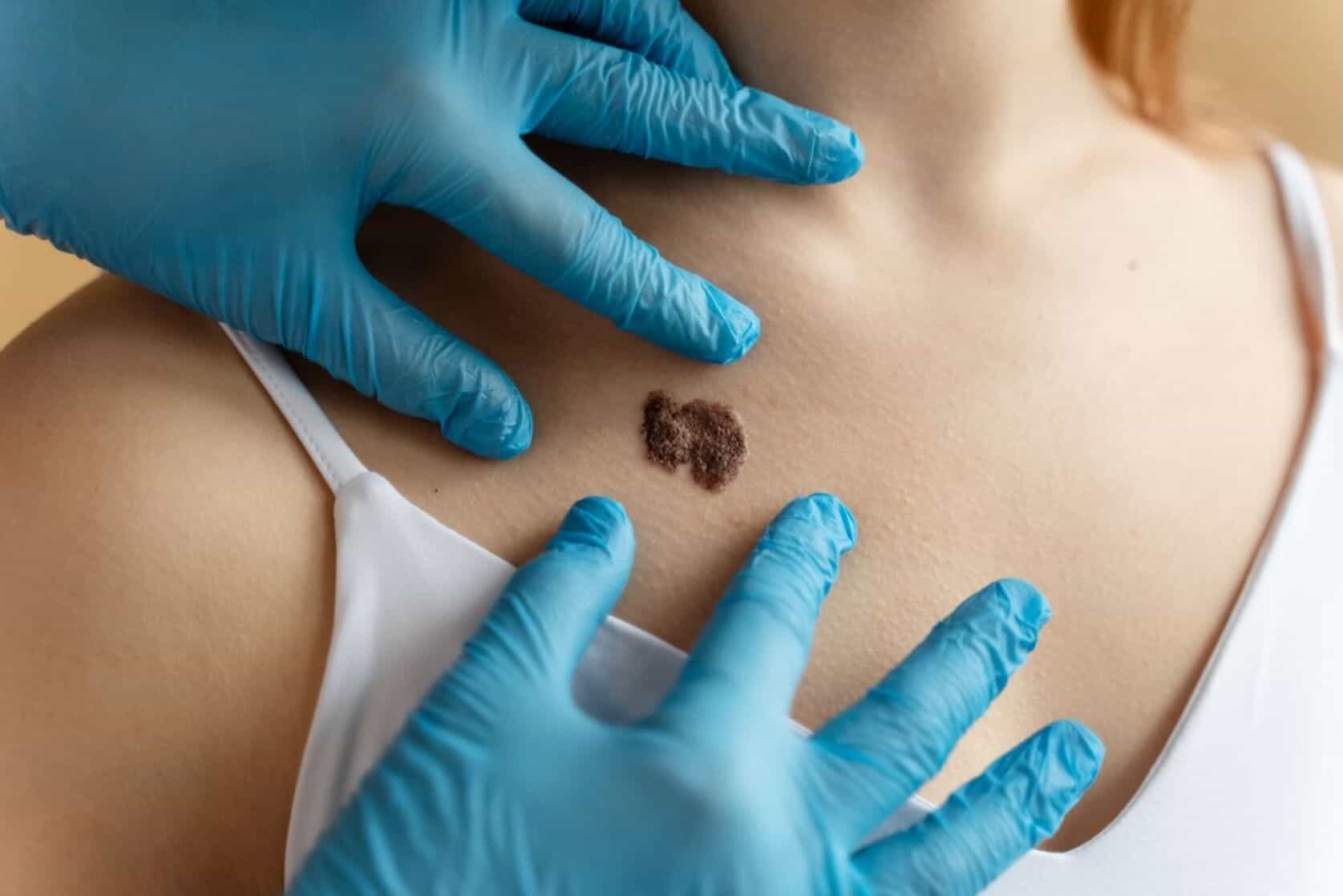
Doctors assess mole size, shape, colour distribution, border regularity, and symmetry during initial examination. Comparing moles across your body helps identify unusual lesions differing from your typical mole pattern.
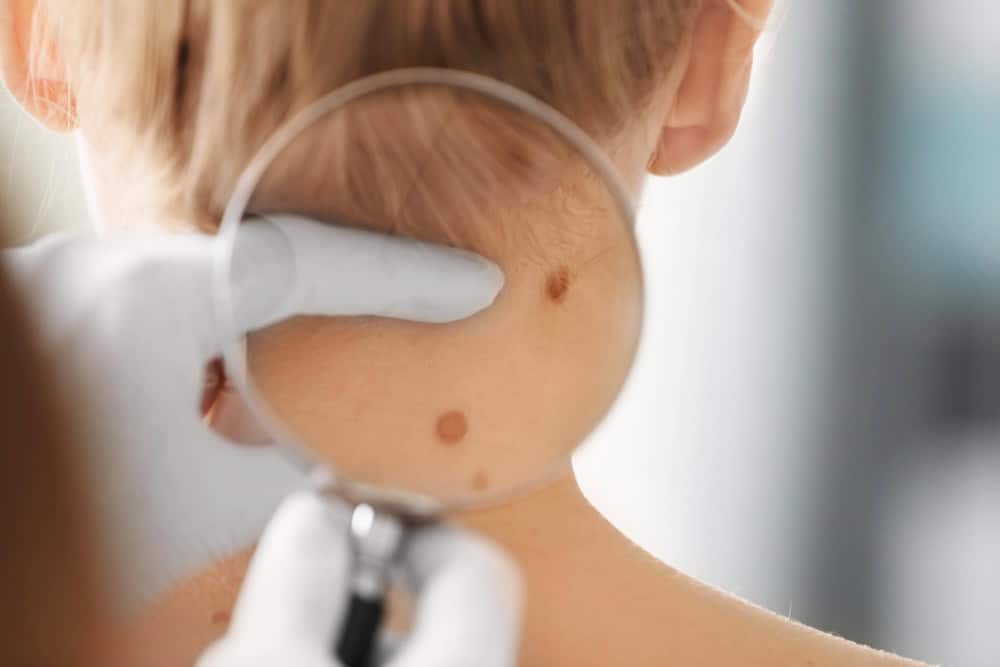
Dermatoscope examination of the mole
Dermatoscopy uses handheld magnifying devices with special lighting revealing subsurface structures and pigment patterns invisible to naked eye examination.
Studies validating diagnostic approaches demonstrate systematic examination methods improve melanoma detection compared with unstructured visual assessment alone. Suspicious moles identified through dermatoscopy warrant biopsy because tissue examination remains the only definitive method confirming or excluding a melanoma diagnosis. Benign moles require simple monitoring for future changes or treating nearby irritation causing itch symptoms rather than mole removal.
Conclusion
Itchy moles often result from harmless causes like dry skin, friction, or minor irritation and usually resolve without treatment. However, persistent itching lasting weeks, or symptoms like bleeding, crusting, pain, or noticeable changes in size, shape, or colour, should be checked by a dermatologist promptly.
If your mole feels itchy or shows concerning changes, book a skin check with us today for professional evaluation and peace of mind.
FAQs
Is it normal for a mole to itch occasionally?
Yes, occasional mole itching from dry skin, clothing friction, or minor irritation remains normal and harmless. Persistent itching lasting weeks or accompanied by changes warrants evaluation.
Does an itchy mole mean cancer?
No, itching alone does not indicate cancer because most itchy moles result from benign causes. Itching combined with size growth, colour changes, bleeding, or crusting requires assessment.
Should you scratch an itchy mole?
Avoid scratching moles because trauma causes inflammation and potential infection. Use gentle pressure, cool compresses, or moisturiser addressing underlying dryness instead of scratching directly.
When should an itchy mole be checked?
Check moles when itching persists beyond two weeks, accompanies size or colour changes, or occurs with bleeding, crusting, pain, or irregular borders developing over time.
Can dry skin make a mole itch?
Yes, dry skin commonly causes mole itching during cold weather or after harsh soap use. Moisturising the surrounding skin usually resolves dryness-related itch within days.
Medical Disclaimer: This content is for general information only and does not replace professional medical advice. If you are concerned about an itchy mole or notice any changes, consult a qualified dermatologist for proper assessment.

Concerned about an itchy or changing mole? Get a personalised assessment from a dermatologist and clear guidance on the next steps.
 CALL US
 WHATSAPP