






A wart or verruca is caused by Human Papilloma Virus (HPV), a virus family that can infect healthy skin within just minutes. Swimming pool floors and changing rooms are the most common places where people contract warts and verrucas.
- Dr Sharon Crichlow
- Reading Time: 8 Mins
Your skin goes through a lot every day. Most of us will experience a verruca at least once in our life. It’s a type of wart commonly found on the sole of your foot, creating the appearance of small lumps as the skin hardens. A single wart can make it painful to walk. Patients often compare the feeling to being pricked with a needle.
Most verrucas are harmless, but you’ll want to seek treatment if they start to become painful. Some verrucas and warts can be treated within a few months, while others can take years to treat without specialist help. Verruca removal is the most effective treatment, with a quick recovery time and minimum to no scarring.
Are you dealing with warts and verrucas? Book a free online skin assessment to discuss specialist treatments and how you can start actively treating your verruca. We’re covering everything you need to know about verrucas and how to avoid passing them on.
Table of Contents
How to diagnose a verruca
A verruca is usually easy to diagnose due to its distinctive appearance. It causes localised thickened skin to form, commonly known as plantar warts.
The skin becomes aggravated because of the wart pressing down onto the ground under your body weight as you walk.
Look for the following signs to diagnose a verruca:
- The skin around the affected area is white
- The skin is flat and not raised
- It feels painful, as if being pinched with a needle while walking or standing
As you walk, you’re applying pressure on the wart, causing it to grow inwards into your skin. It’s why a verruca is usually flat, unlike warts, which can develop a wider diameter.
You may start to experience pain when walking if your verruca is left untreated. Once you’ve identified a verruca, you can start using a pumice stone or emery board to manage the wart.
A private dermatologist will suggest the most suitable treatment plan after formally diagnosing your verrucas warts.
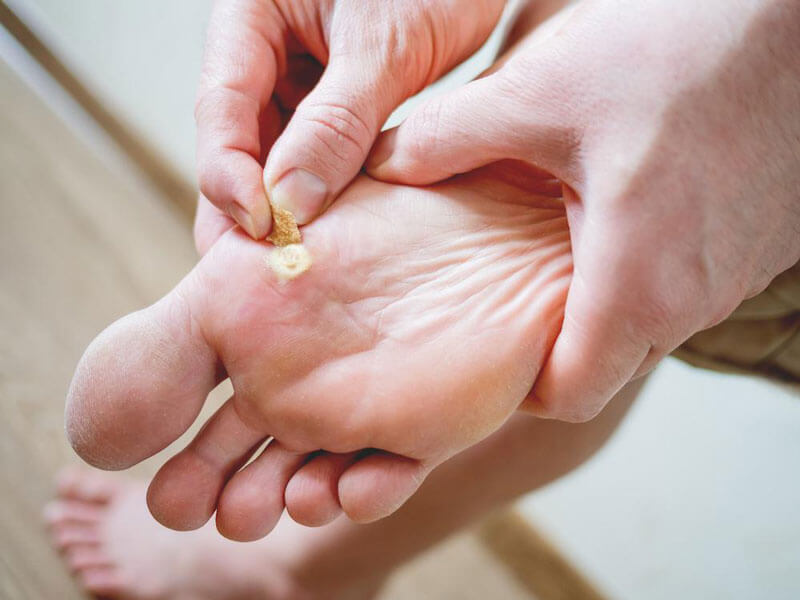
What does a verruca look like

Verrucas form as they cause the skin to harden, creating thickened skin in a localised area. They typically grow to half an inch in diameter.
You can spot a verruca because of the hard skin that forms on the sole of your foot. The surrounding area will turn white. If you have a darker skin tone, this area can appear darker than usual.
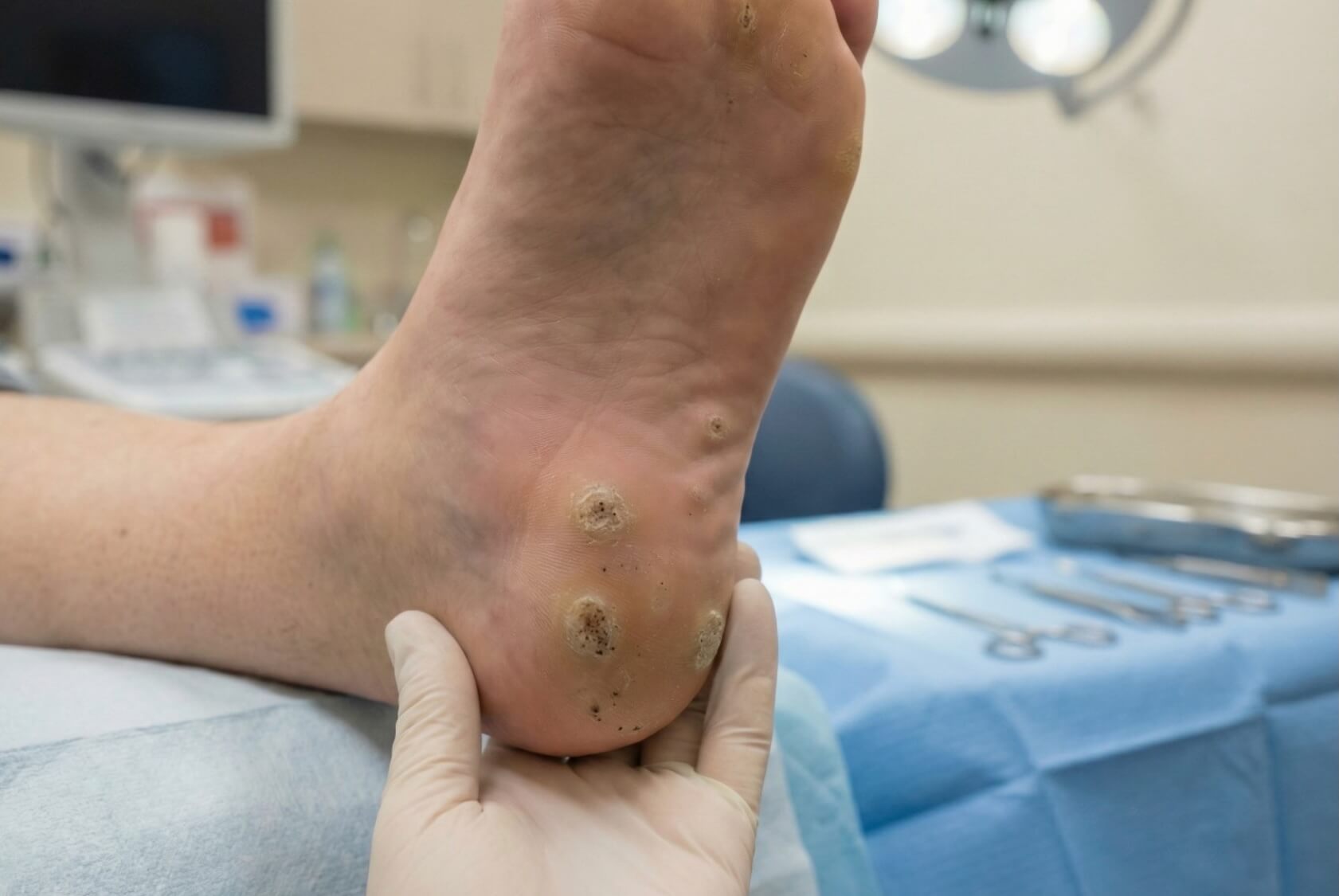
You may notice small black spots on the wart, usually in the middle of the affected area. This isn’t anything to worry about, as it is usually dry blood. It typically occurs as the result of friction or pressure on the verruca.
If you experience any active bleeding, treat it like any ordinary cut to avoid the dead skin becoming infected.
How to identify a verruca
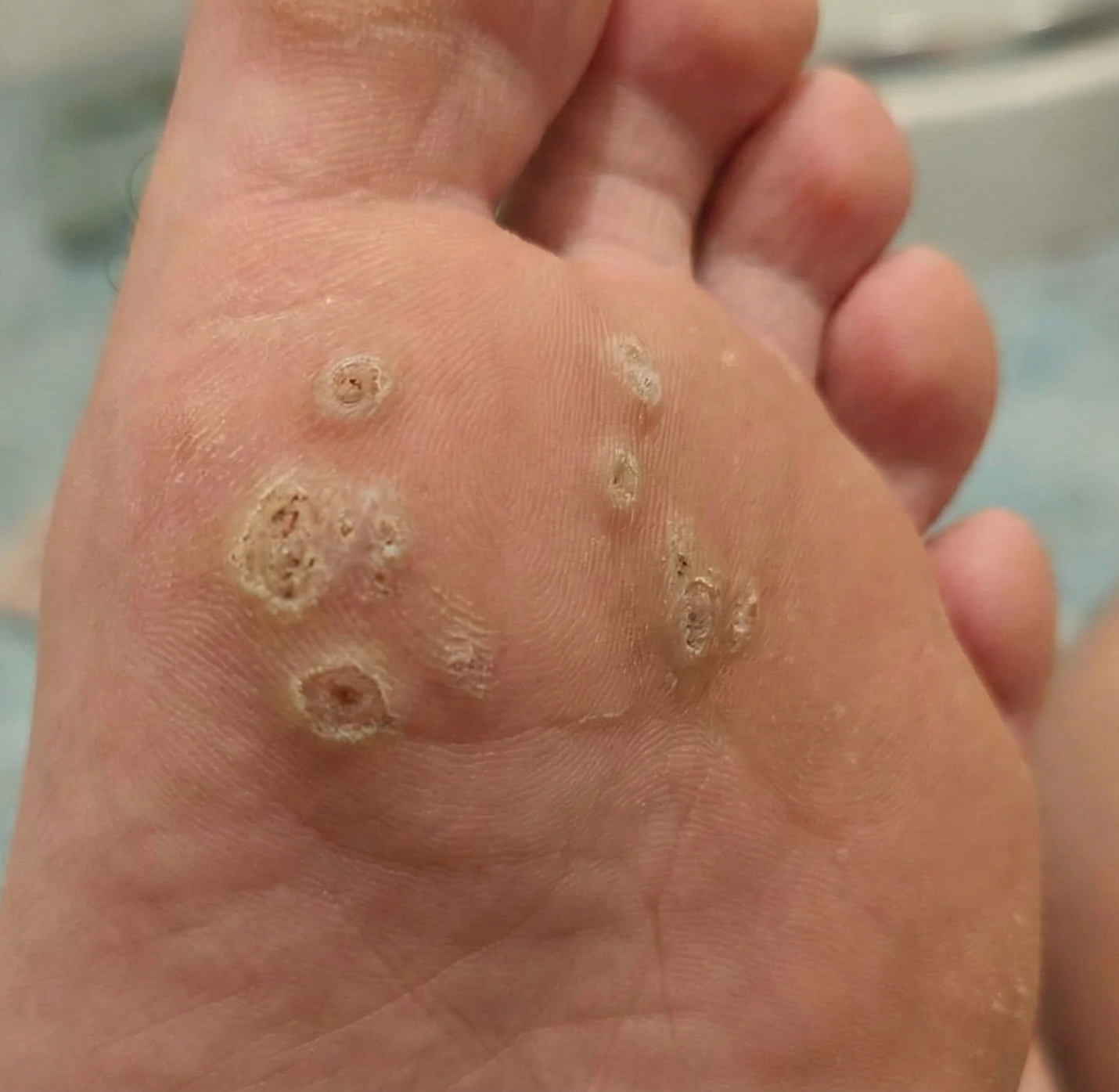
Check the infected skin to see if it feels firm and rough to the touch. A verruca is typically flat and round. A plane verruca has a yellow colour. You may have a single wart or see a small cluster form around a larger one. A cluster is known as a mosaic verruca and can be found on the hands or feet.
A verruca can be painful as it starts to develop, and you may experience bleeding because of friction and pressure. Black spots on your skin are the result of bleeding.
What is a dying verruca hole?
When a verruca is dying, it stops actively growing and appears flat. The wart that was once skin coloured may have developed small black dots, also known as wart seeds.
As the verruca dies, the skin will return to its normal colour and appearance.
You may be left with a small hole or depression in the skin once your verruca is treated. This hole is typically temporary and will disappear as your skin heals. A dermatologist can recommend the best products to use to avoid scarring.
Stages of a dying verruca
A verruca, caused by the human papillomavirus (HPV), does not disappear immediately. As treatment begins to work or the immune system responds, the verruca goes through a series of gradual changes. Understanding these stages can help you recognise whether it is resolving.
1. Initial response
At the start of treatment, the verruca often begins to change in appearance. It may turn white after applying treatments like salicylic acid or develop tiny black dots. These black dots are clotted blood vessels, which can be a sign that the blood supply to the verruca is being disrupted. The surface may also become drier and rougher as the infected skin starts to break down.
2. Reduction in size
As it responds to treatment, the verruca usually becomes smaller and flatter. It may feel less hard and less raised, and start to blend in more with the surrounding skin. This shows that the virus-infected tissue is gradually being removed.
3. Breakdown and shedding
At this stage, the verruca begins to break down more noticeably. The surface may peel or flake, and the thickened skin softens over time. The black dots often fade as the blood vessels close off. This is a sign that the damaged tissue is being shed.
4. Clearance
As healing continues, the verruca may wear away or come off completely. The skin looks smoother, and the lesion becomes less defined. Although it may appear gone, the virus can still remain in the surrounding skin, so there is still a chance it can return.
5. Skin recovery
After the verruca has cleared, new skin forms in the area. The skin may look pink or slightly sensitive at first, but this usually improves over time. The skin gradually returns to its normal texture as it fully heals.
Complete healing depends on the individual’s immune response and the extent of the original lesion.
What causes verrucas
A verruca occurs when there is a break in the skin surface, allowing a virus to enter and cause an infection. You’ll usually contract a verruca or warts if you walk barefoot on a rough surface or an area like communal showers or the side of swimming pools. The virus enters the body through a small break in the skin.
A wart or verruca is considered extremely contagious, so you’ll want to take active steps to prevent spreading the virus.
Wear a waterproof plaster while swimming and wear flip flops instead of walking barefoot. Avoid sharing shoes, socks, or towels with another person.
You're more likely to contract warts and verrucas if you are deficient in vitamin B12 or have a weakened immune system. You can reduce your risk of contracting this virus by changing your socks daily, washing your hands regularly, and keeping your feet dry.
What are mosaic warts?
Once the virus enters your body, it may cause a series of warts. These will typically appear as a cluster that looks like a pattern similar to a mosaic tile. Mosaic warts are usually found on the heel or ball of the food as this is where you will be applying pressure as you walk.

How to get rid of verrucas?
Attending a dermatology clinic is the most efficient way to treat human papillomavirus and remove verrucas warts. You can choose from a range of treatments, including cryotherapy and liquid nitrogen to remove your verruca.
The underlying virus can remain dormant in your body even after you stop treatment. Treatment can help remove the verruca and reduce the probability of it returning.
You can also reduce your risk of contracting warts in the future by taking extra care when in public and communal areas, including swimming pools.
Dr Sharon Crichlow is our specialist dermatologist and a lifelong acne sufferer. She offers personalised skincare advice and devises treatment programmes aimed at promoting optimal skin health and beauty. Below are the most common treatments for warts and verrucas, including plane warts.
Salicylic acid
Salicylic acid is a treatment you can apply at home in the form of ointments or gels. It’s readily accessible over the counter and from high street stores. You’ll want to use this treatment daily until your wart or verruca dies. Soak your skin in warm water and file the hard skin before applying your salicylic acid treatment.
Verruca needling
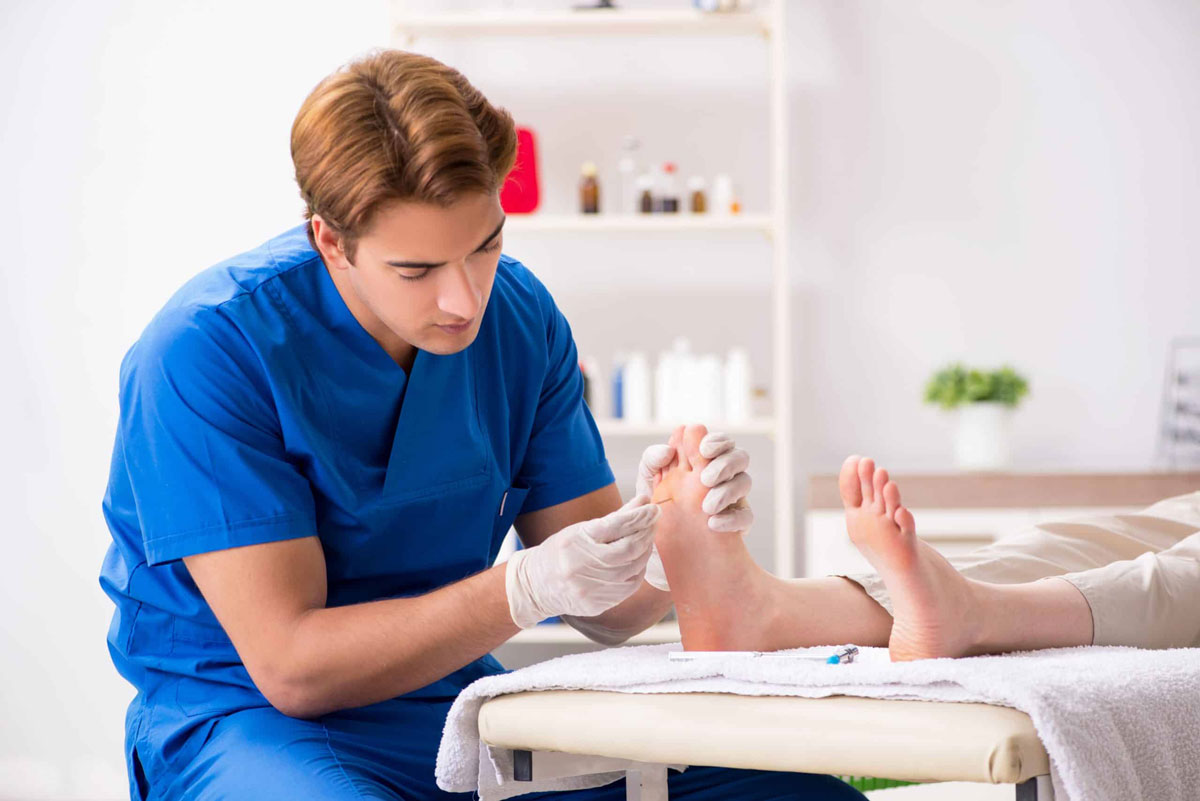
Verruca needling involves puncturing the wart with sterile needles to stimulate your body’s immune response to promote recovery.
Cryotherapy
Cryotherapy treatment involves using liquid nitrogen to destroy the verruca by freezing it. You’ll likely need a round of 2-4 cryotherapy treatments to permanently remove the wart.
Electrically heated needles
Electrocautery is a treatment that uses electrically heated needles to burn the wart or verruca.
Silver nitrate
A chemical compound that removes the wart or verruca by burning it.
Minor surgery
In extreme cases, your dermatologist may recommend a small surgery if alternative treatments are not proving successful. Removing a verruca this way can be painful, so is rarely recommended unless completely necessary. You’ll want to try the other treatments above before opting for surgery.
Excision
The excess tissue that the wart consists of is cut away, leaving smooth skin behind.
Laser
Laser treatment works by targeting a highly concentrated laser at the wart or verruca to heat the blood vessels and cut off the blood flow to effectively kill it.

Get started with out free online assessment, upload your photo to receive professional advice.
Warts and Verrucas Removal at Aventus Clinic
At Aventus Clinic, we know that having warts and verrucas can negatively impact your confidence and everyday life. We take a holistic approach to client care to address your individual needs. Our team offers a range of treatments for wart and verruca removals, including excision, cryotherapy, and laser. Book a free online skin assessment to take the first steps to treat painful warts and verrucas to help permanently remove them.
Frequently Asked Questions
How to stop a verruca bleeding?
Warts and verrucas will start to bleed because the affected area of the skin is experiencing friction and pressure. This is the result of a blood vessel inside the verruca bursting. It’s a common occurrence and isn’t a cause for concern unless it happens frequently and easily. You can treat the affected area in the same you would any type of cut.
How to treat a dead verruca?
Once you’ve received treatment, you can expect the wart or verruca to die as it loses its blood supply. The verruca will naturally fall off within a few weeks. Change your socks daily and soak your feet in warm water. You can treat the wart and help smooth your skin by using an emery board or pumice stone after soaking your feet.

Get started with out free online assessment, upload your photo to receive professional advice.
- Medical Disclaimer:
This article is for general information only and does not replace personalised medical advice. If you have a verruca or are considering treatment, consult a qualified healthcare professional for appropriate assessment and care.

 CALL US
 WHATSAPP