






Touching your head and noticing a sore or sensitive area on your scalp can feel surprising. The discomfort may feel like a sharp pain, a dull ache, or a burning sensation when you press on the area or move your hair.
- Dr Suhail Alam
- Reading Time: 8 Mins
If you’ve ever touched your head and noticed one small area that feels sore or sensitive, it can feel strange and sometimes worrying. The discomfort might feel like a sharp pain, a dull ache, or even a burning sensation when you press on the spot or move your hair.
In most cases, a tender spot on the scalp isn’t serious. It usually happens because the skin, hair follicles, or nerves in that area have become irritated or inflamed.
The scalp is one of the most sensitive parts of the body. It contains a dense network of nerves and blood vessels, which means even small amounts of irritation can cause noticeable discomfort.
Many people first realise their scalp is tender during everyday activities such as:
- brushing or combing their hair
- touching or pressing the scalp
- moving their hair from one side to another
- wearing tight hairstyles or hats
Most of the time, scalp tenderness improves on its own within a few days. However, if the soreness continues or becomes worse, it can sometimes be linked to a scalp condition, infection, headache, or nerve irritation.
Below are 10 common reasons why your scalp may feel tender in one spot, along with what symptoms to watch for and how you can manage it.
What causes a tender spot on the scalp?
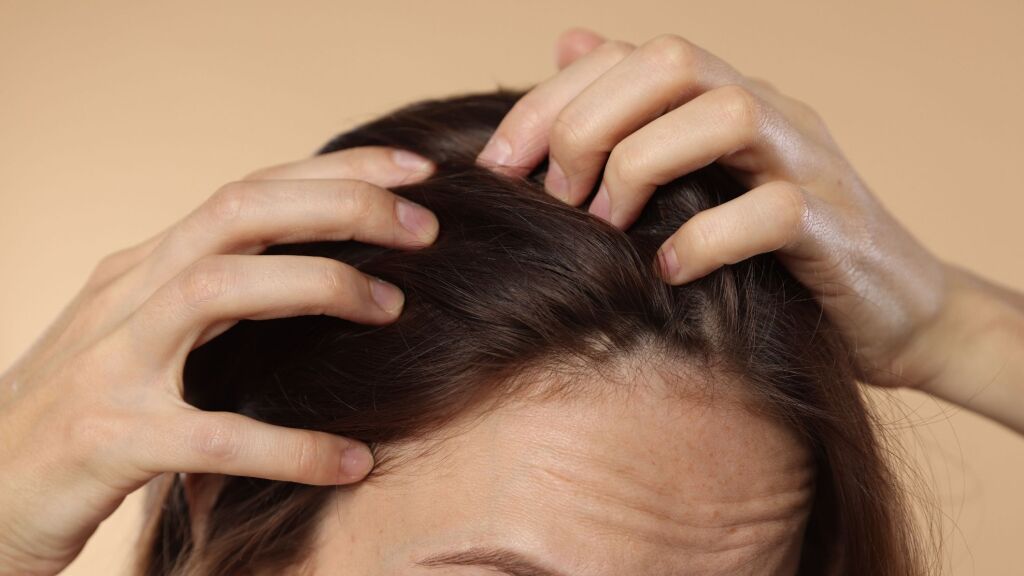
1. Minor scalp injury or irritation
One of the simplest explanations for a sore spot on the scalp is a small injury to the skin.
Because the scalp contains many nerve endings, even a minor bump or scratch can make the area feel tender for several days. This can happen if you scratch an itchy patch too hard, brush your hair roughly, or pick at a small scab or pimple on the scalp.
What it might feel like
The area may feel bruised or sore when you touch it. Some people also notice mild redness or swelling, or a small irritated patch of skin where the scalp has been scratched or injured. Brushing or styling the hair may make the discomfort more noticeable.
What can help
In most cases the skin simply needs time to heal. Keeping the scalp clean and avoiding further irritation usually allows the area to recover naturally. Using gentle shampoos and avoiding harsh hair products can also help prevent additional inflammation. Applying a cool compress to the area may reduce swelling and make the scalp feel more comfortable while it heals.
2. Pressure from headgear or friction
Sometimes scalp tenderness occurs simply because of pressure on the scalp. Wearing tight hats, helmets, headphones, or hair accessories for long periods can press repeatedly on the same part of the head.
Hair follicles are connected to small nerve endings. When they are compressed or stressed, the scalp may become sensitive, particularly when the hair moves or the area is touched.
Signs this might be the cause
The soreness usually appears in the exact spot where the pressure occurs. The skin may feel tender when touched and sometimes slightly irritated or red.
What can help
Once the pressure is removed, the scalp usually begins to feel better fairly quickly. Wearing looser hats, adjusting headphones, or avoiding tight hair accessories can help prevent the irritation from returning.

3. Tight hairstyles and hair tension
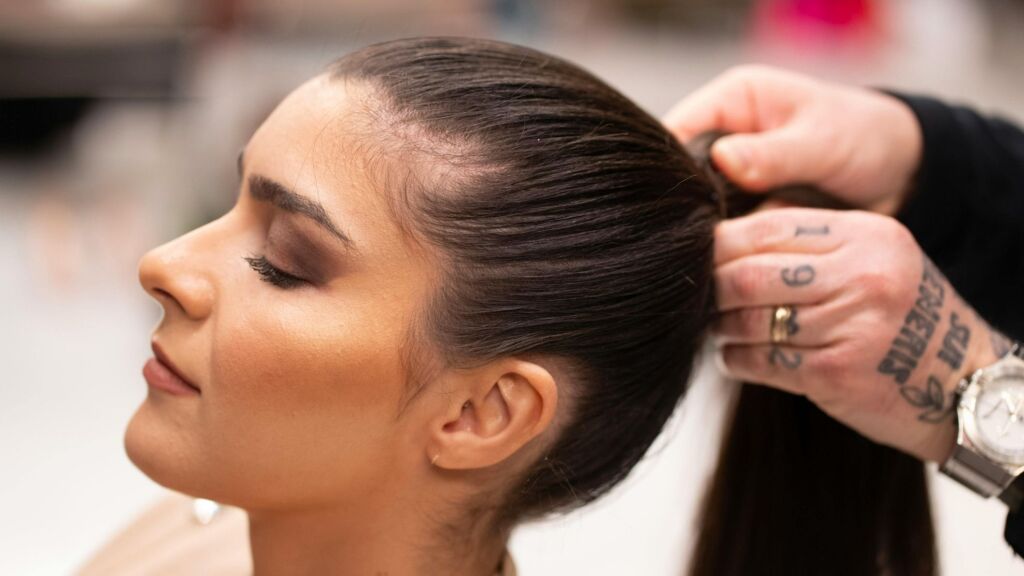
Hairstyles that pull tightly on the hair roots can also make the scalp sore. Ponytails, braids, cornrows, hair extensions, and heavy buns all place tension on the hair follicles.
When hair is pulled tightly for long periods, the follicles and surrounding skin become stressed. This can lead to inflammation and tenderness in the affected areas.
Symptoms you might notice
Many people experience soreness around the hairline or temples after wearing tight hairstyles. The scalp may feel sensitive when the hairstyle is removed, and in some cases small bumps can develop around the hair follicles. Over time, areas that are repeatedly pulled may begin to show thinning hair.
Repeated tension over long periods can eventually lead to traction alopecia, a form of hair loss caused by chronic pulling on the hair follicles.
What can help
Loosening hairstyles and giving the scalp regular breaks from tight styling can reduce irritation. Changing hairstyles regularly and avoiding constant tension on the same areas of the scalp can also help protect the hair follicles.
4. Sunburn on the scalp
The scalp is often forgotten when people think about sun protection. However, when hair is thin or parted, the skin underneath can burn easily.
Sunburn damages skin cells and triggers inflammation, which can make the scalp feel sore, warm, or sensitive.
Signs of scalp sunburn
A sunburned scalp may appear red and feel warm to the touch. Some people notice burning or stinging sensations, particularly when touching the area or brushing their hair. As the skin begins to heal, peeling or flaking may occur.
What can help
Cooling the scalp with a cold compress can help soothe irritation. Products containing aloe vera or other soothing ingredients may also calm the skin while it heals. Wearing a hat outdoors or using sunscreen sprays designed for the scalp can help prevent future sunburn.
Skin conditions that can cause scalp tenderness
5. Scalp folliculitis (Inflamed hair follicles)
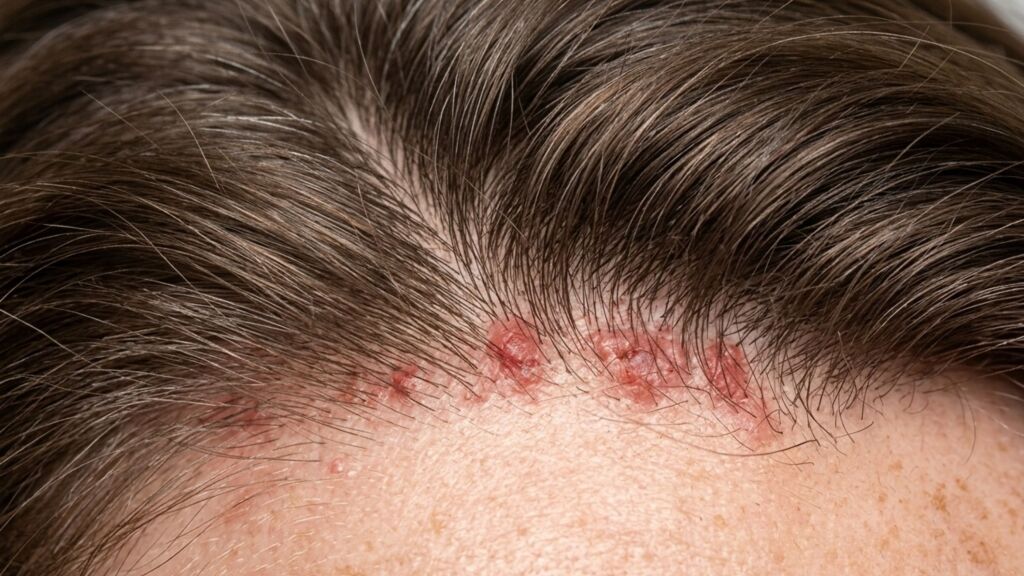
Folliculitis occurs when hair follicles become inflamed or infected, usually because of bacteria or fungi. It often appears as small red bumps that resemble pimples on the scalp.
Symptoms
The bumps may be itchy, tender, or slightly swollen. In some cases they may contain pus and feel sore when touched.
What can help
Mild cases often improve with gentle cleansing and medicated shampoos designed to reduce bacteria or inflammation. Avoiding scratching the bumps can help prevent the infection from worsening.
6. Seborrhoeic dermatitis (Dandruff)
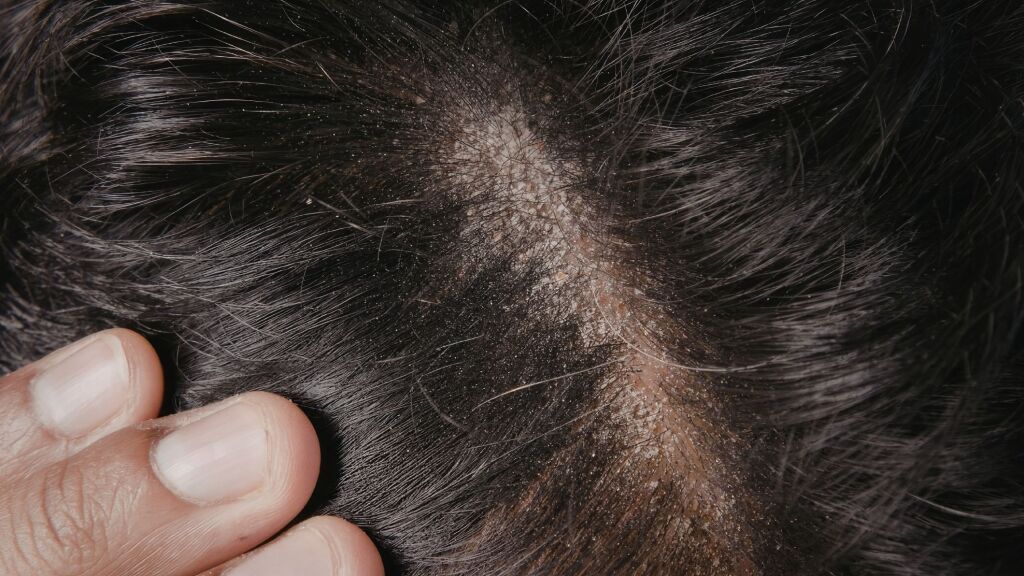
Seborrhoeic dermatitis is a common condition that causes dandruff, redness, and irritation on the scalp. It is linked to excess oil production and a yeast that naturally lives on the skin.
Although the condition is best known for causing flakes and itching, inflamed areas can sometimes become sore or sensitive.
Symptoms
People with seborrhoeic dermatitis often notice white or yellow flakes on the scalp along with red or irritated patches of skin. The scalp may feel greasy in certain areas and itching is common.
What can help
Using anti-dandruff shampoos regularly can help control inflammation and reduce symptoms. Gentle scalp care and avoiding harsh hair products can also help keep the condition under control.
7. Psoriasis
Psoriasis is an autoimmune skin condition that causes skin cells to grow faster than normal, leading to thick scaly patches called plaques.
When psoriasis affects the scalp, these plaques may become inflamed, cracked, or irritated, which can make the scalp feel tender.
Symptoms
Scalp psoriasis may cause thick patches of flaky skin along with itching, burning sensations, and areas of soreness where the plaques develop.
What can help
Because psoriasis is a long-term condition, treatment often involves medicated shampoos, topical treatments, or therapies recommended by a healthcare professional.
8. Scalp acne or blocked follicles
Just like the skin on the face, the scalp can develop acne. When hair follicles become blocked by oil, bacteria, and dead skin cells, painful bumps can form.
These bumps may feel tender when touched and sometimes resemble insect bites or small lumps beneath the skin.
What can help
Maintaining good scalp hygiene and avoiding heavy styling products that clog pores can help reduce the likelihood of scalp acne.
Hair loss conditions linked to scalp pain
9. Alopecia areata or trichodynia
Some hair loss conditions can also cause unusual sensations in the scalp. Alopecia areata occurs when the immune system mistakenly attacks hair follicles, which can lead to round patches of hair loss.
Before or during hair loss, some people notice tingling, itching, or tenderness in the affected area.
Another condition known as trichodynia refers to scalp pain associated with hair loss or inflammation around the follicles.
If scalp tenderness appears alongside sudden hair thinning or bald patches, medical advice should be sought.
Nerve-related causes of scalp tenderness
10. Migraines or occipital neuralgia
Sometimes scalp tenderness is caused by irritated nerves rather than skin problems.
Migraines can cause a symptom known as scalp allodynia, where the scalp becomes extremely sensitive and even light touch can feel painful.
Occipital neuralgia occurs when nerves that run from the neck to the scalp become inflamed or compressed.
Symptoms
People with these conditions may experience sharp or stabbing pain on the scalp, tenderness when touching the head, or pain that travels from the neck towards the scalp.
Treatment typically focuses on managing the underlying nerve irritation.
What you can do for a tender spot on the scalp
If the pain is mild, simple care at home can often help the scalp recover. Using gentle shampoos, avoiding tight hairstyles, and protecting the scalp from sun exposure can reduce irritation. Applying a cool compress may also soothe the area and help reduce inflammation.
Most cases improve within a few days to a couple of weeks.
When should you see a doctor for scalp pain?
Although scalp tenderness is usually harmless, it is important to seek medical advice if the pain lasts longer than one to two weeks, if the area becomes swollen, red, or warm, or if pus or drainage appears.
Medical attention may also be needed if a lump continues to grow or if scalp tenderness occurs alongside sudden hair loss. A healthcare professional can examine the scalp and determine whether the symptoms are related to a skin condition, infection, or nerve issue.
Frequently asked questions about scalp tenderness
Why does my scalp hurt when I move my hair?
Hair itself does not contain nerves. The discomfort actually comes from the hair follicles and the surrounding scalp tissue.
Hair follicles are connected to small nerve endings in the skin. When these follicles become irritated or inflamed, even gentle movement of the hair can trigger pain or sensitivity. This may happen because of tight hairstyles, scalp inflammation, product build-up, or a condition called trichodynia, which causes increased scalp sensitivity.
Why does my scalp hurt when my hair is dirty?
If hair is not washed for several days, oil, sweat, and styling products can build up on the scalp. This build-up can irritate hair follicles and lead to mild inflammation, which may make the scalp feel sore or sensitive.
Regular washing with a gentle shampoo usually helps remove excess oil and product build-up. Keeping the scalp clean can reduce irritation and allow the follicles to return to their normal state.
Can long or heavy hair cause scalp pain?
Yes, long or thick hair can sometimes contribute to scalp discomfort. Hair that is very dense or heavy places additional weight on the hair follicles, particularly when it is frequently tied up.
This constant strain may irritate the follicles and surrounding skin, which can lead to soreness in certain areas of the scalp. People with heavy hair may notice tenderness after wearing tight ponytails or buns for long periods.
Why does my scalp hurt after taking my hair down?
It is common to notice scalp tenderness after removing a tight hairstyle such as a ponytail, braid, or bun.
When hair is tied tightly, the follicles remain in the same position for several hours. Once the hairstyle is loosened, the follicles shift position again. This sudden movement can temporarily irritate the surrounding nerves, which may cause the scalp to feel sore or sensitive.
Can stress cause scalp pain?
Stress and muscle tension can sometimes contribute to scalp discomfort. When the muscles in the neck and upper back become tight, they can irritate nerves that supply the scalp.
This nerve irritation may lead to tenderness, pressure, or burning sensations in certain areas of the scalp. Stress can also trigger tension headaches, which may make the scalp feel sensitive to touch.
Does scalp tenderness mean hair loss?
Scalp tenderness does not always mean that hair loss will occur. Many common causes of scalp pain, such as minor irritation or pressure from hairstyles, do not affect hair growth.
However, some conditions can cause both scalp discomfort and hair thinning. These include traction alopecia, folliculitis, and autoimmune conditions such as alopecia areata. If scalp tenderness occurs alongside sudden hair shedding or patchy hair loss, it is advisable to seek medical advice.

Book a free online hair and scalp assessment with a qualified dermatologist to understand what may be affecting your scalp and what treatments could help.


 CALL US
 WHATSAPP