






It can be tempting to drain a cyst at home using a needle, particularly if it becomes swollen, uncomfortable, or more noticeable over time. Some people assume that releasing the contents will allow the cyst to heal or disappear more quickly.
However, this approach is not recommended. Medical guidance consistently advises against attempting to drain a cyst yourself, as it does not treat the underlying cause and can lead to complications such as infection, inflammation, and recurrence.
This article explains what happens when a cyst is punctured with a needle, the risks involved, and the safer treatment options available.
What is a cyst?
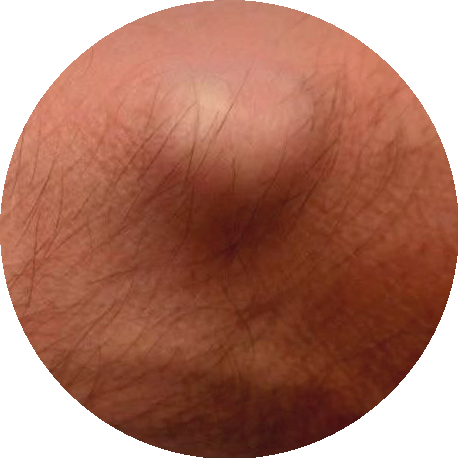
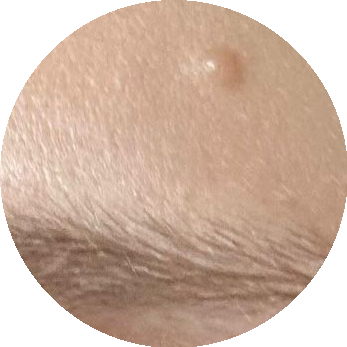
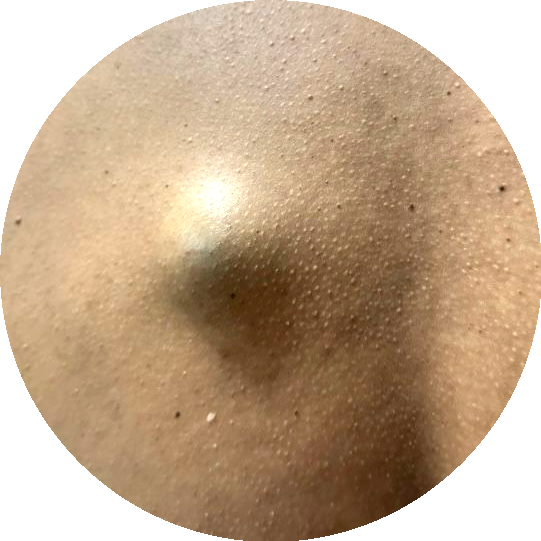
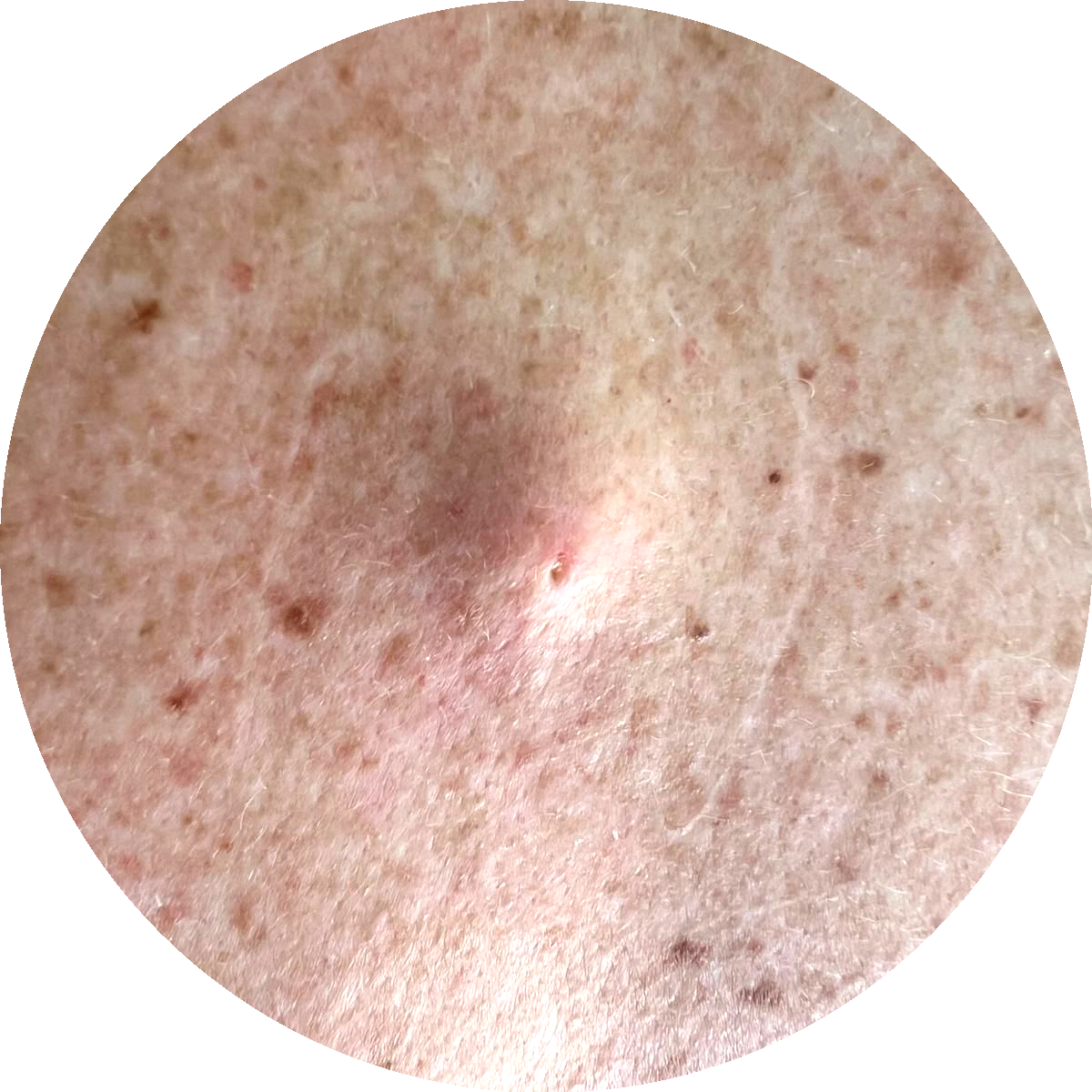
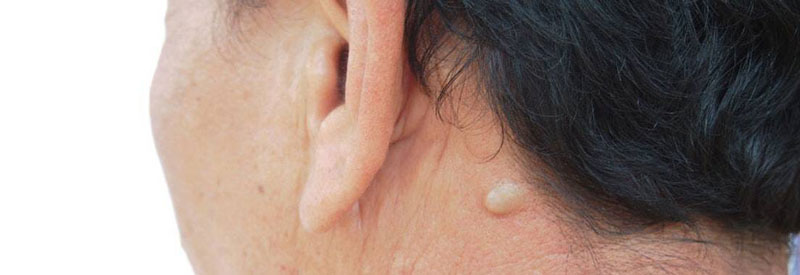
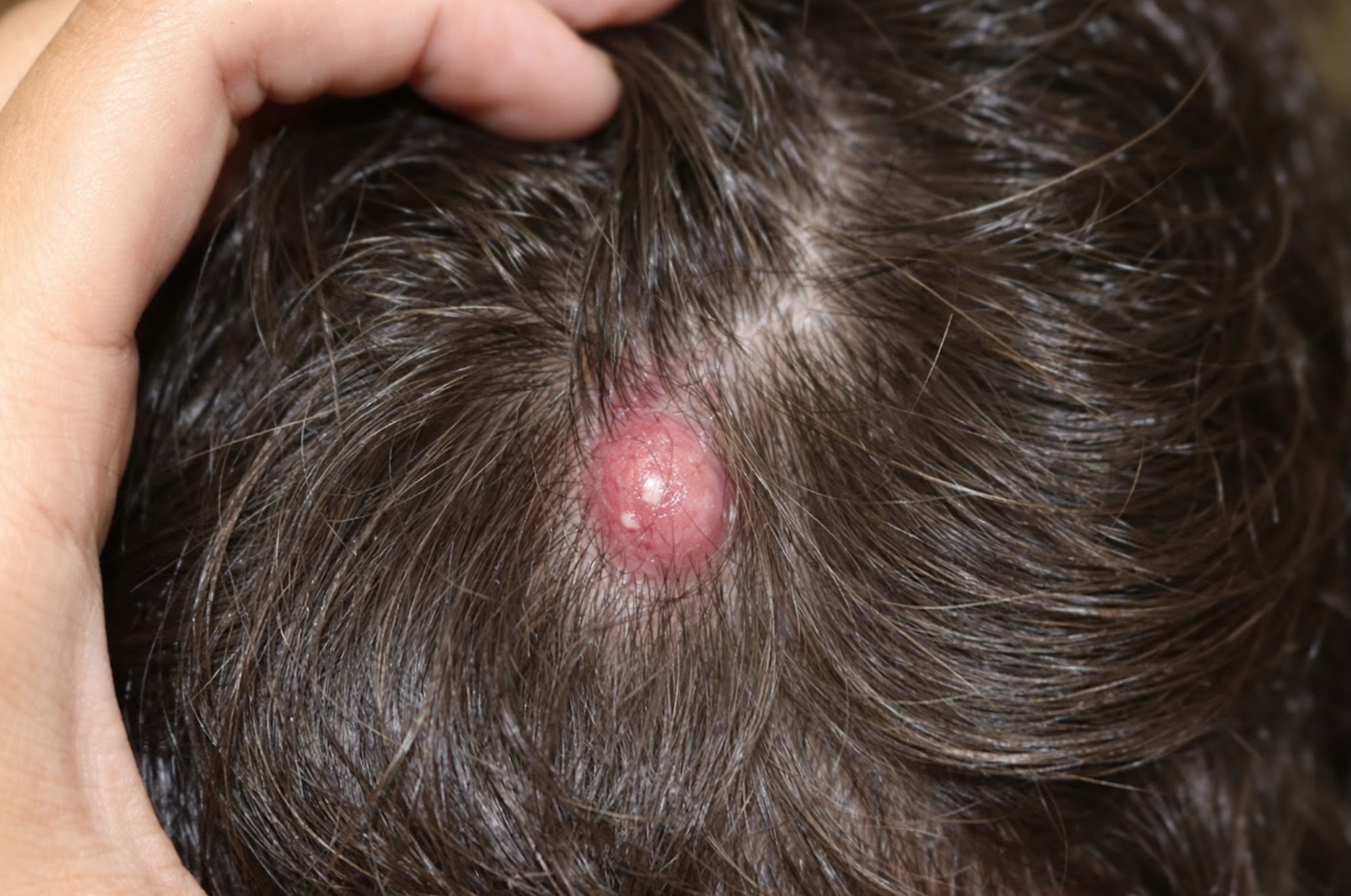
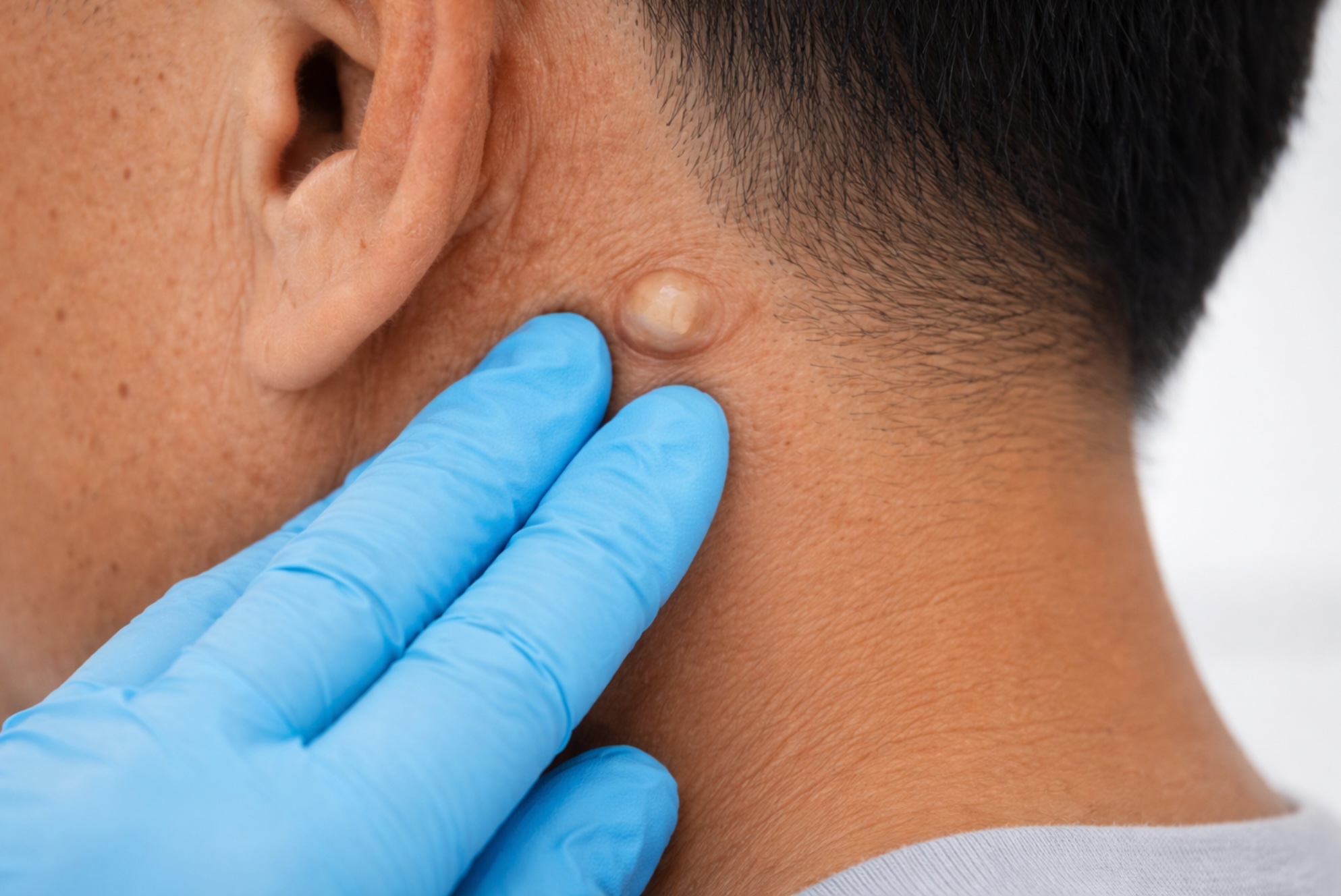
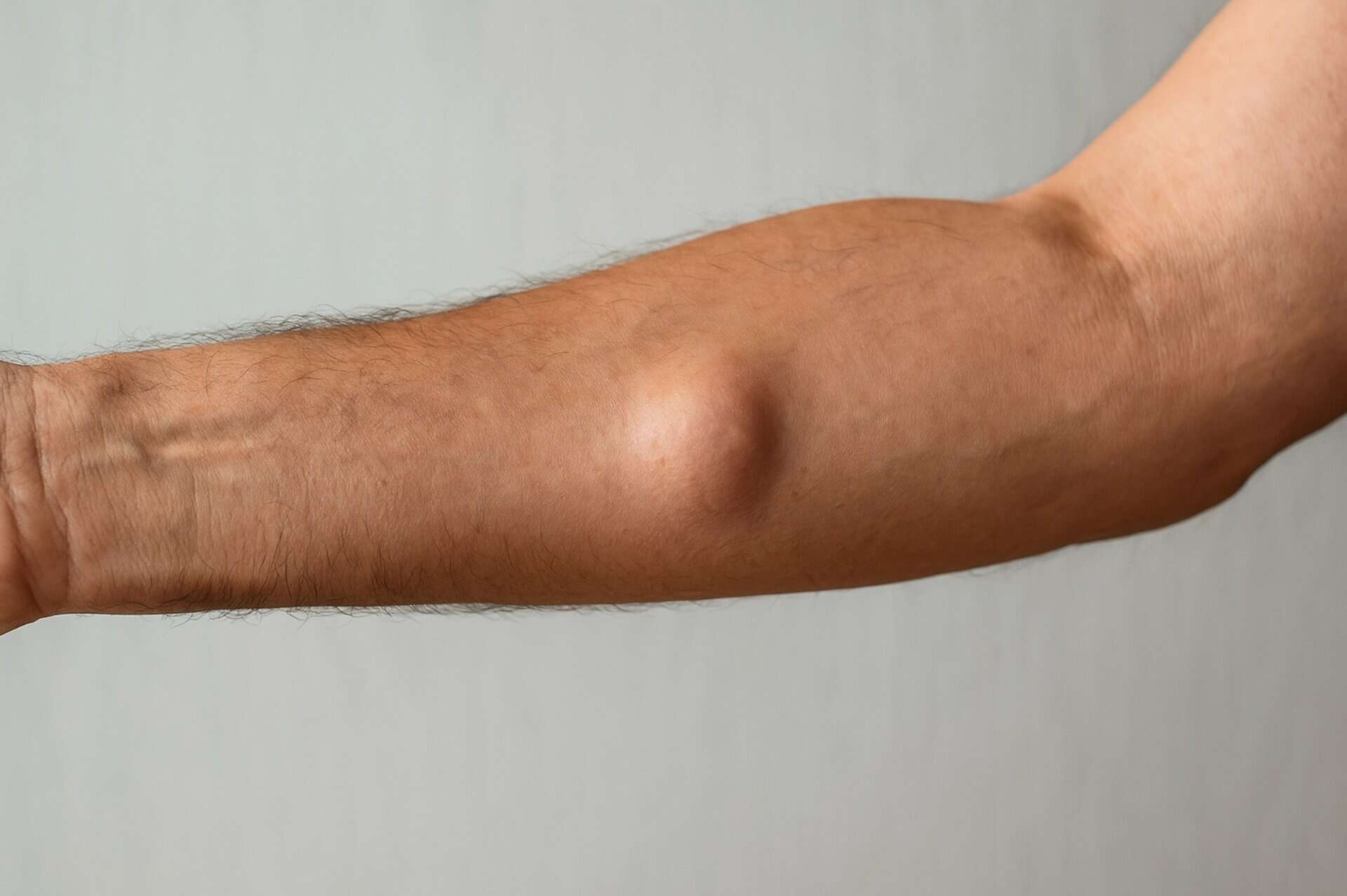
A cyst is a closed sac-like structure that forms beneath the skin or within body tissue. It can contain fluid, pus, or semi-solid material such as keratin, depending on the type of cyst.
Common skin cysts include epidermoid cysts, pilar cysts, and abscesses. Although they may look similar on the surface, their causes and contents can differ. For example, epidermoid cysts are often filled with keratin, while abscesses are typically caused by infection and contain pus.
Most cysts are benign and slow-growing. They may remain stable for long periods, but some can become inflamed, tender, or infected, particularly if they are irritated or repeatedly handled.

Is it safe to drain a cyst with a needle at home?
No. Draining a cyst with a needle at home is not safe.
The outer layer of the skin provides an important barrier against bacteria and environmental contaminants. Piercing this barrier with a non-sterile needle can allow microorganisms to enter deeper layers of the skin. This increases the likelihood of infection, especially if the area is not properly cleaned or if the cyst is already inflamed.
In addition, without medical training, it is difficult to control how deeply the needle penetrates or how much pressure is applied. This can lead to unintended damage to surrounding tissue or incomplete drainage of the cyst.
What happens if you try to drain a cyst yourself?
When a cyst is punctured with a needle, some of its contents may be released. This can temporarily reduce its size and make it appear less noticeable. However, this does not remove the cyst itself.
Most cysts are enclosed within a lining or sac beneath the skin. This lining continues to produce material even after the cyst has been drained. As a result, the cyst often refills over time and may return to its original size.
Most cysts are enclosed within a lining or sac beneath the skin. This lining continues to produce material even after the cyst has been drained. As a result, the cyst often refills over time and may return to its original size.
In some cases, instead of draining outward, the cyst may rupture internally. This can cause the contents to spread into surrounding tissue, leading to increased inflammation, swelling, and discomfort.
What are the risks of draining a cyst at home?
Infection
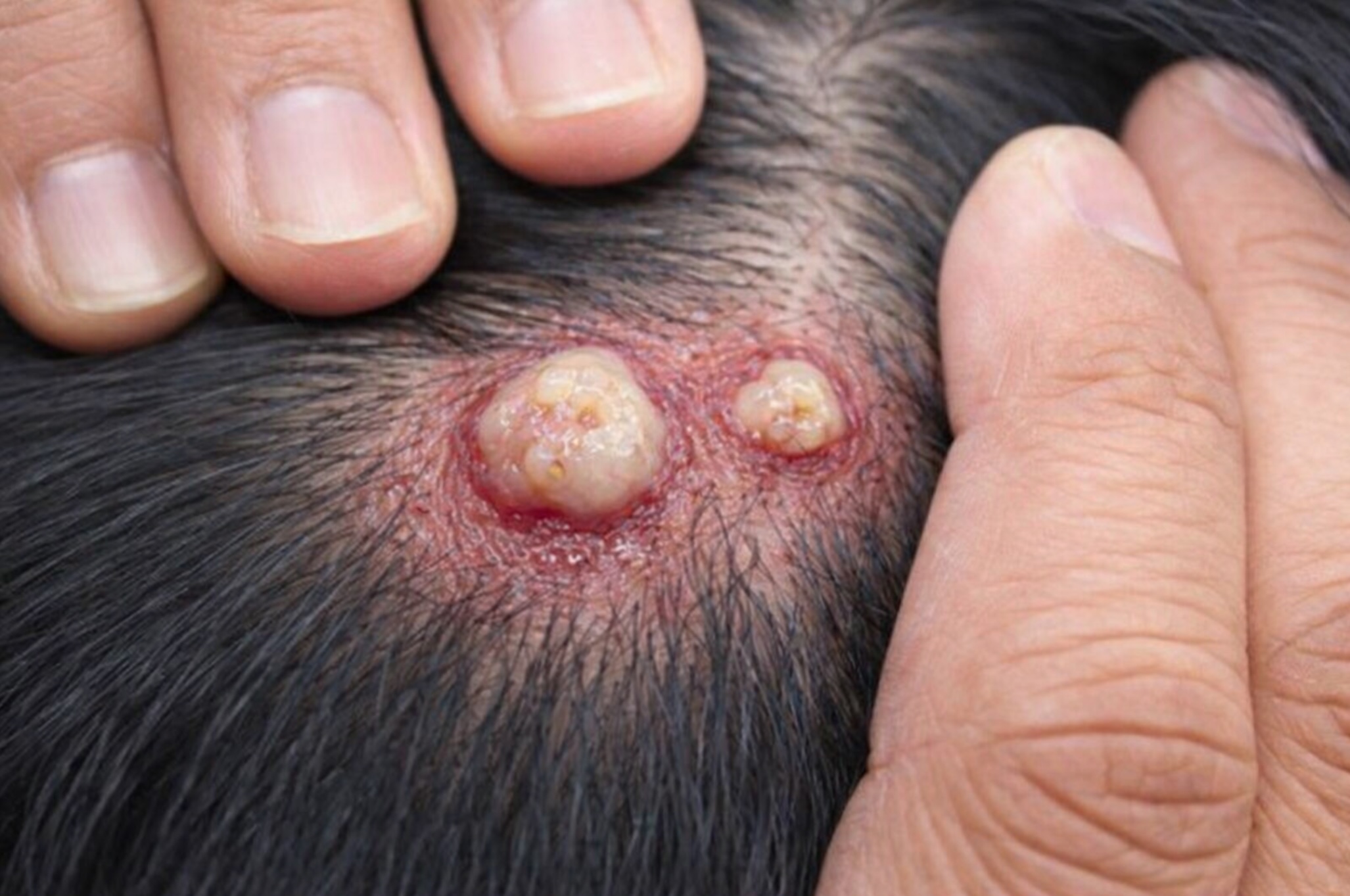
Introducing bacteria into the skin can lead to infection. Signs may include redness, warmth, swelling, pain, and the presence of pus. Infections may require antibiotics or further medical treatment.
Increased inflammation
Improper drainage can irritate the cyst and surrounding tissue. This may cause the area to become more swollen, tender, and painful than before.
Scarring
Damage caused by needles or repeated attempts to drain a cyst can disrupt normal healing. This increases the risk of permanent scarring, particularly if the area becomes infected.
Recurrence
Because the cyst lining remains intact, the cyst is likely to return. Recurrent cysts may become more difficult to treat over time.
Internal rupture
Applying pressure or using a needle incorrectly can cause the cyst to burst beneath the skin. This can worsen inflammation and may make medical treatment more complex.
Why needle drainage does not provide a permanent solution
Cysts are not simply pockets of fluid that can be removed permanently by draining. They are structured sacs lined with cells that continue to produce material.
Draining the contents does not remove this lining. As long as the cyst wall remains in place, it can continue to fill again. This is why cysts often recur after being drained at home.
A permanent solution typically requires removal of the entire cyst sac.
Are there safer ways to manage a cyst at home?
While it is not advisable to drain a cyst yourself, there are ways to manage mild symptoms safely:
Warm compresses
Applying a warm compress for 10 to 15 minutes several times a day may help improve circulation and reduce discomfort. In some cases, this may encourage the cyst to drain naturally without force.
Keeping the area clean
Maintaining good hygiene can reduce the risk of infection, especially if the cyst becomes irritated.
Avoiding manipulation
Squeezing, picking, or puncturing the cyst can worsen inflammation and increase the likelihood of complications. It is best to leave the cyst undisturbed.
These measures may help manage symptoms but will not remove the cyst permanently.
How do medical professionals treat cysts safely?
Incision and drainage
A clinician may drain the cyst using sterile instruments in a controlled environment. This can relieve pressure and discomfort, particularly if the cyst is inflamed or infected. However, the cyst may still return if the lining is not removed.
Surgical excision
Complete removal of the cyst, including its sac, is the most effective treatment. This is usually performed under local anaesthetic and significantly reduces the risk of recurrence.
Assessment and diagnosis
A healthcare professional will assess the cyst to confirm its type and determine the most appropriate treatment. This helps ensure that other conditions are not overlooked.
When should you seek medical advice?
Medical advice should be sought if a cyst shows any signs of change, discomfort, or possible infection. While many cysts are harmless, certain symptoms may indicate complications that require assessment.
You should consult a healthcare professional if a cyst:
- Becomes increasingly painful, red, warm, or swollen
- Shows signs of infection, such as pus, tenderness, or spreading redness
- Grows rapidly or changes in size, shape, or colour
- Repeatedly returns after draining or previous treatment
- Ruptures and does not heal properly
- Interferes with daily activities or causes ongoing discomfort
Early assessment can help confirm the diagnosis, rule out other conditions, and reduce the risk of complications. A healthcare professional can also recommend the most appropriate and safe treatment based on the type and condition of the cyst.
Conclusion
Draining a cyst with a needle at home may seem like a simple and immediate solution, but it is not safe or effective. While it may temporarily reduce the size of the cyst, it does not remove the underlying cause and can lead to infection, scarring, and recurrence. For safe and reliable treatment, cysts should be assessed and managed by a qualified healthcare professional.
Frequently asked questions about draining cyst
Can a cyst pop on its own without treatment?
Yes, some cysts can rupture or drain on their own, particularly if they become inflamed. However, this does not remove the cyst sac beneath the skin. As a result, the cyst may refill and return. A burst cyst can also become irritated or infected, so it should be kept clean and monitored.
Can you use a sterile needle to drain a cyst safely at home?
No. Even if a needle is cleaned or appears sterile, draining a cyst at home is still not safe. Medical procedures require controlled sterile environments and proper technique. Attempting this yourself increases the risk of infection, incomplete drainage, and damage to surrounding tissue.
What does cyst fluid look like when drained?
The contents of a cyst can vary depending on the type. Many skin cysts release a thick, yellowish or white substance made of keratin, which may have a soft or paste-like consistency. In infected cysts, the fluid may appear more like pus and can have a stronger odour.
Can a cyst turn into an abscess if left untreated?
In some cases, yes. If bacteria enter a cyst, it can become infected and develop into an abscess. This may cause increased pain, redness, swelling, and the presence of pus. An abscess often requires medical treatment, such as drainage or antibiotics.
Does applying pressure help a cyst drain faster?
No. Applying pressure or squeezing a cyst can worsen inflammation and may force the contents deeper into the skin. This increases the risk of internal rupture, infection, and scarring. It is best to avoid manipulating the cyst.
Can warm compresses remove a cyst completely?
Warm compresses may help reduce discomfort and, in some cases, encourage natural drainage. However, they do not remove the cyst sac. This means the cyst can still return even if it temporarily improves.
Is it normal for a cyst to smell when it drains?
Yes. The material inside certain cysts, particularly epidermoid cysts, can have a noticeable odour. This is due to the buildup of keratin and trapped debris. A strong or worsening smell alongside redness or pain may indicate infection.
How long does it take for a cyst to go away without treatment?
Some cysts may remain unchanged for months or even years. Others may shrink temporarily. However, many do not disappear completely without treatment because the cyst lining remains under the skin.
Can you stop a cyst from coming back?
The only reliable way to prevent a cyst from returning is to remove the entire cyst sac. This is usually done through a minor surgical procedure performed by a healthcare professional.
Is it safe to leave a cyst untreated?
In many cases, yes, if the cyst is small, painless, and not causing problems. However, it should be monitored. If it becomes painful, inflamed, infected, or changes in appearance, it should be assessed by a healthcare professional.

Unsure whether your cyst needs treatment or safe removal? Arrange a free skin assessment and receive tailored advice from our experienced clinical team.
- Medical Disclaimer:
This content is for general information only and does not replace professional medical advice. Do not attempt to drain or treat a cyst yourself. Consult a qualified healthcare professional.
 CALL US
 WHATSAPP