






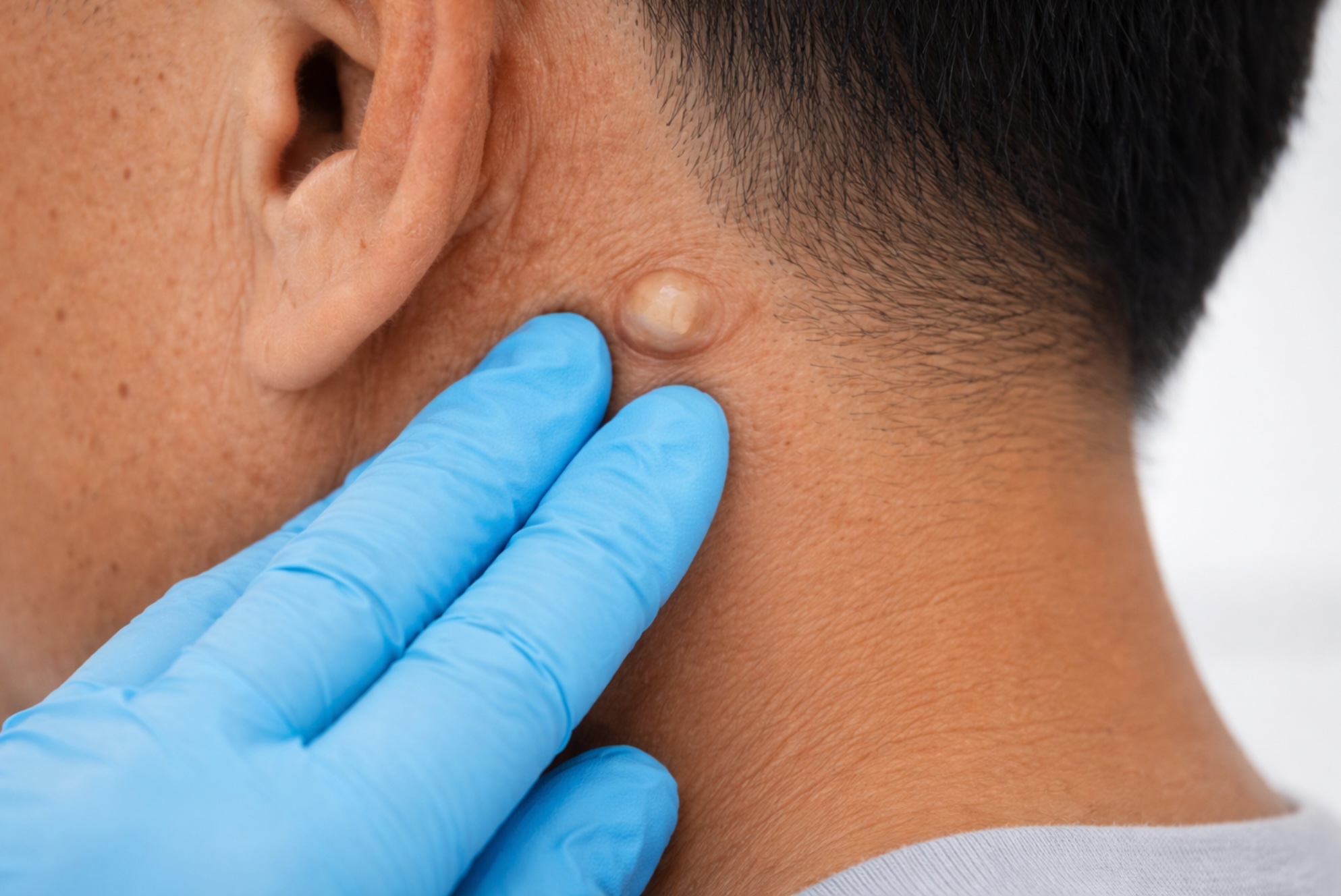
Growing lumps under the skin are usually benign. Common types include lipomas (fatty lumps), sebaceous cysts, dermatofibromas, and ganglion cysts. See a doctor if lumps grow rapidly, exceed 5cm, cause pain, or change appearance.
- Dr Sharon Crichlow
- Reading Time: 10 Mins
Lumps beneath the skin are common and are usually benign. They may develop anywhere on the body, including under the chin, on the inner thigh, the scalp or the back of the hand. Most grow slowly and do not cause symptoms. However, some lumps require medical evaluation, particularly if they change in size, cause pain or persist.
This guide explains common causes of under skin lumps, how they are diagnosed and when medical review is recommended.
Key Takeaways
- Most under-skin lumps are benign, with lipomas and sebaceous cysts being the most common, but rapid growth or changes warrant medical evaluation.
- Monitor lumps for concerning signs: rapid growth, size over 5cm, pain, hardness, or skin changes like redness or ulceration.
- Professional diagnosis often involves physical examination and imaging; never attempt to drain or remove lumps at home, as this risks infection and incomplete removal.
Table of Contents
What Causes Lumps to Develop Under the Skin?
Subcutaneous lumps develop for several reasons. Some form when cells multiply in a localised area, while others occur when substances such as keratin or fluid become trapped beneath the surface. In some cases, inflammation, minor injury or infection plays a role.
According to NHS guidance, most new lumps are not cancerous. However, any unexplained lump should be assessed if it persists, enlarges or changes in appearance.
Location often provides clues. For example:
- A hard lump under the chin may represent an enlarged lymph node.
- A lump on the inner thigh under the skin is often a lipoma or cyst.
- A soft lump on the head or scalp may be a pilar cyst.
- A lump on the back of the hand is frequently a ganglion cyst.
Hard Lump Under Chin
A hard lump under the chin is often an enlarged lymph node. Lymph nodes are part of the immune system and may swell when the body is responding to infection.
Common causes include upper respiratory infections, throat infections and dental problems. Swollen lymph nodes may feel firm or rubbery and can be tender.
Medical evaluation is recommended if the lump:
- Persists beyond two to four weeks
- Continues to enlarge
- Feels hard and immovable
- Occurs without signs of infection
Persistent lymph node enlargement requires clinical assessment to determine the cause.
Lump Under Chin Hurts to Touch
Painful lumps under the chin are usually related to inflammation. Inflamed lymph nodes, infected cysts or local skin infections may cause tenderness.
Signs that suggest infection include redness, warmth and swelling of the surrounding skin. If pain worsens or does not improve, medical advice should be sought.
Lipomas, which are fatty lumps, are typically painless. Pain may indicate a different cause and warrants assessment.
Lump on Inner Thigh Under Skin
A lump on the inner thigh under the skin is commonly a lipoma or an epidermoid cyst.
Lipomas are benign growths made of fat cells. They usually feel soft, smooth and mobile. They grow slowly and rarely cause symptoms unless large or pressing on nearby structures.
Epidermoid cysts form when skin cells become trapped beneath the surface and continue producing keratin. They often feel firm and round. Cysts may become inflamed or infected, leading to tenderness and swelling.
Friction in the inner thigh area can irritate cysts and increase discomfort.
Soft Lump on Head
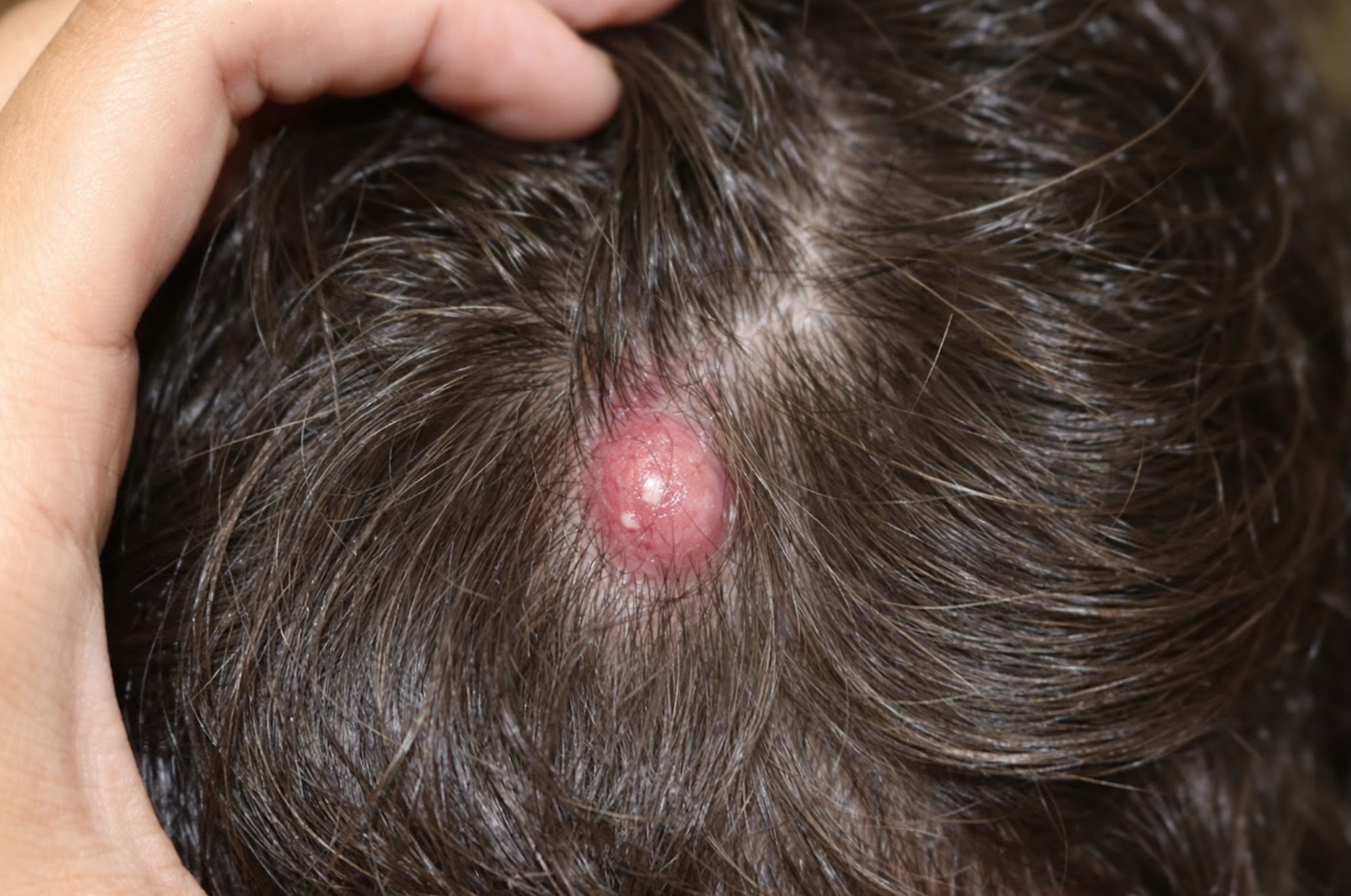
A soft lump on the head or scalp is often a pilar cyst or lipoma.
Pilar cysts develop from hair follicles and are common on the scalp. They are typically smooth, firm and slow growing.
Lipomas on the scalp feel soft and move slightly beneath the skin. Most remain stable and do not require treatment unless symptomatic.
Rapid growth, persistent pain or skin changes over a scalp lump should be evaluated.
Lump on Back of Hand
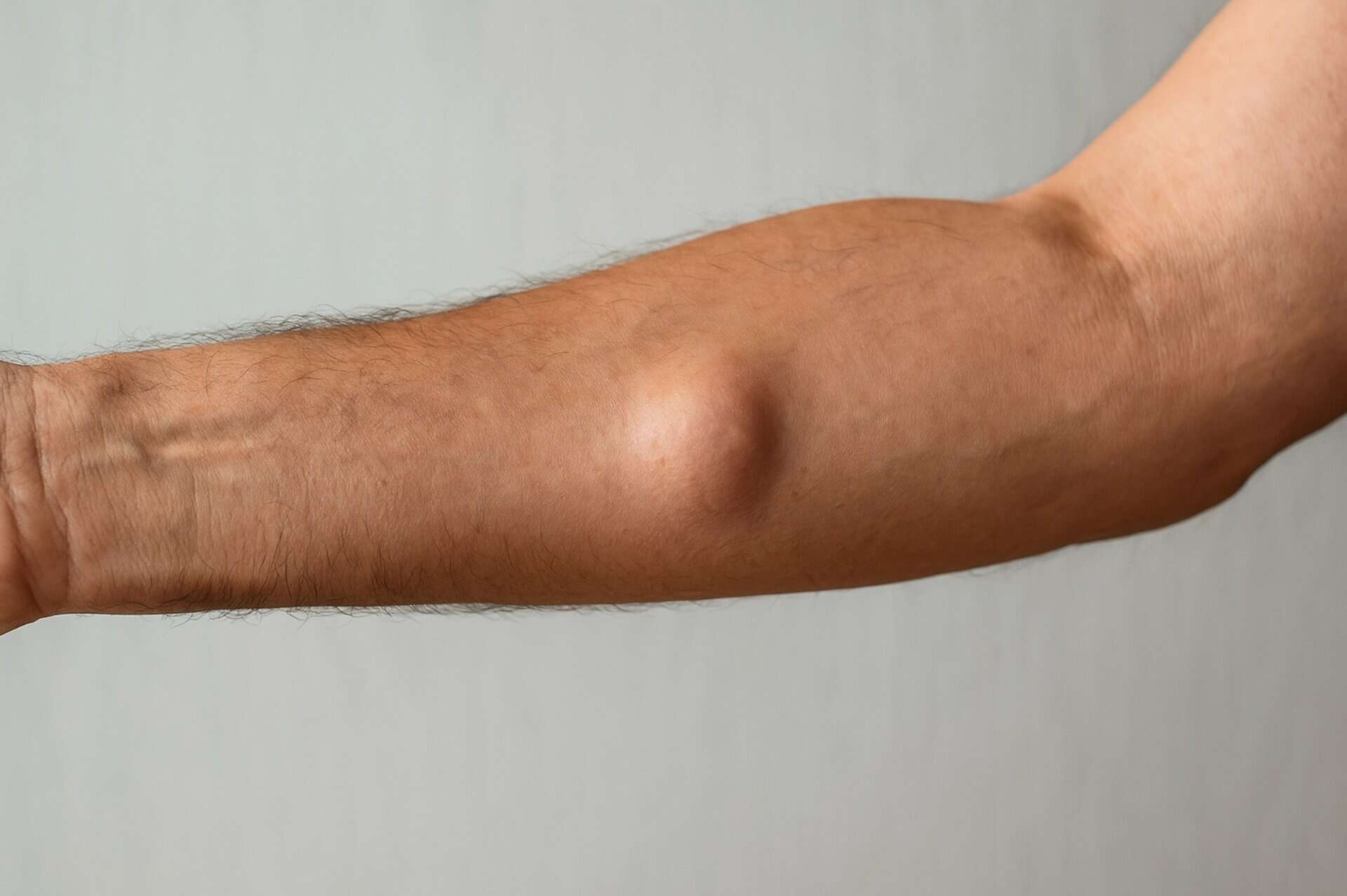
A lump on the back of the hand is frequently a ganglion cyst. Ganglion cysts are fluid filled sacs that develop near joints or tendons, particularly around the wrist.
They may feel firm and may fluctuate in size. Some cause discomfort, especially with repeated movement.
Although ganglion cysts are benign, medical assessment is appropriate if pain persists or movement becomes limited.
Other Common Types of Lumps
In addition to lipomas, cysts and ganglion cysts, other lumps under the skin can include:
- Skin tags, which are small, soft protrusions of skin that often occur where skin rubs together
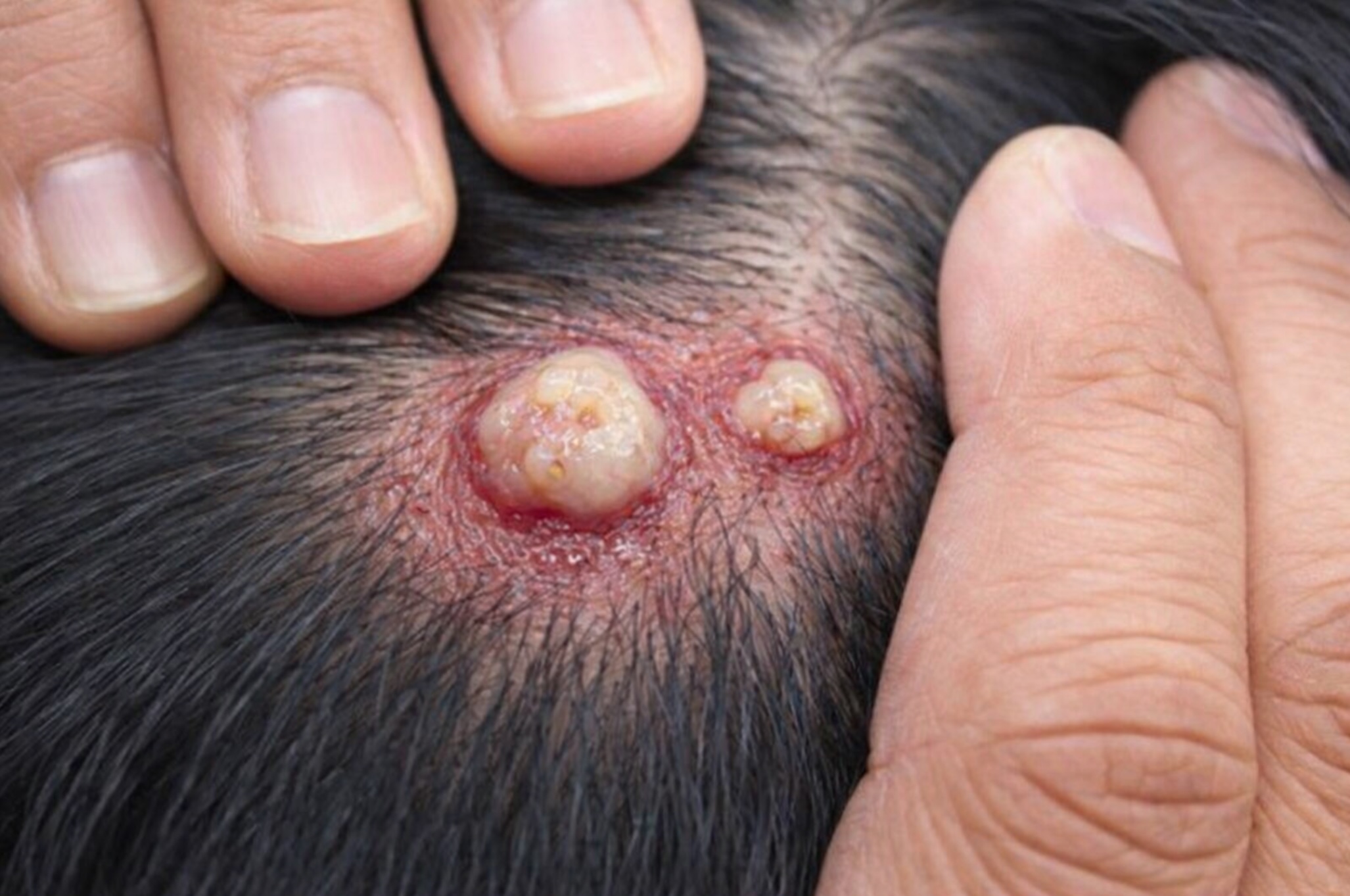
- Abscesses or boils, which are painful, red, warm lumps filled with pus due to bacterial infection
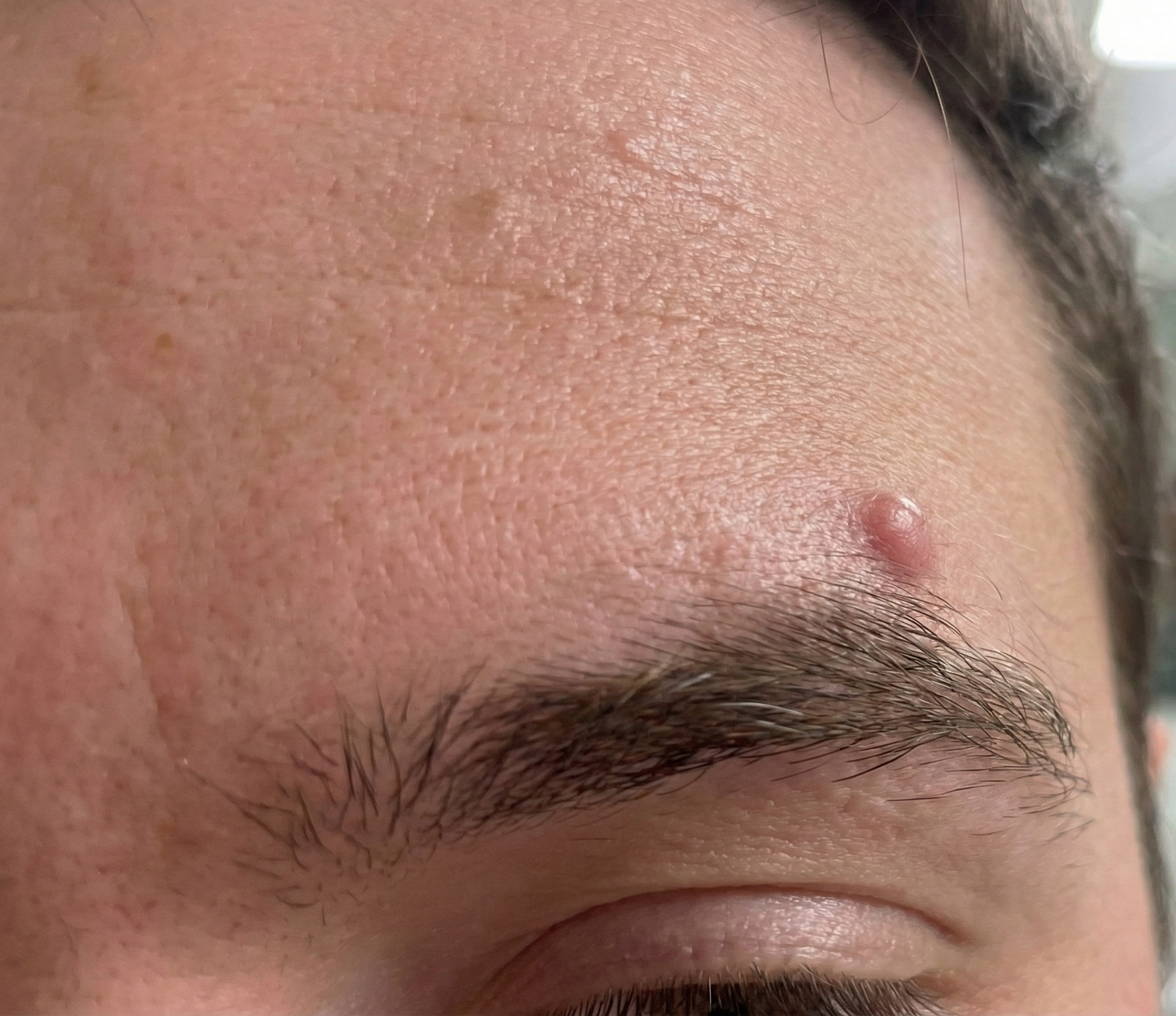
- Dermatofibromas, firm nodules that may result from minor injuries
- Swollen lymph nodes elsewhere in the body
Most of these lumps are not cancerous, but changes in size, pain, or other concerning symptoms should prompt evaluation.
| Lump Type | Texture | Common Locations | Size Range | Pain |
|---|---|---|---|---|
| Lipoma | Soft, doughy, mobile | Neck, shoulders, back, arms, thighs | 2–10cm | Rarely painful |
| Epidermoid Cyst | Firm with visible opening | Face, neck, back, scalp | 0.5–5cm | Painful if infected |
| Dermatofibroma | Firm, may dimple when pinched | Legs, arms, upper back | <1cm | Sometimes itchy |
| Ganglion Cyst | Firm but with some give | Wrists, hands, feet, ankles | Variable | May cause pain |
| Enlarged Lymph Node | Firm, rubbery | Neck, armpits, groin | >5mm is abnormal | Often tender |
How to Identify a Growing Lump at Home
Monitoring a lump at home can provide valuable information for your doctor. Here’s a practical approach:
- Measure the lump with a ruler and record its size
- Note the texture, colour, and any skin changes
- Track whether it’s painful, when the pain occurs, and what makes it worse
- Take clear photos over time to document any changes
- Keep a log of when you first noticed it and how it has changed
Remember that home monitoring should complement, not replace, professional medical advice.
What Makes You More Likely to Develop These Lumps?
Several factors can increase your chances of developing subcutaneous lumps.
- Family History and Genetic Factors: If your close relatives have had lipomas or certain cyst types, you may be more likely to develop them. Some genetic conditions, like Gardner’s syndrome or familial lipomatosis, can cause multiple lipomas.
- Age-Related Factors: Lipomas and cysts become more common with age, particularly after 40. This happens as cell growth regulation naturally changes over time.
- Skin Characteristics: People with oilier skin tend to develop sebaceous cysts more frequently. Those with a history of acne may also have a higher risk.
- Hormonal Influences: Hormonal fluctuations during puberty, pregnancy, or menopause can trigger the development of certain lumps. Testosterone and oestrogen can influence sebaceous gland activity.
- Past Trauma or Injuries: Research from the University of Queensland indicates that dermatofibromas may result from trauma or insect bites. Some lipomas appear after blunt injury to an area.
When Should You Get a Lump Checked by a Doctor?
Most lumps under the skin are harmless and do not need urgent treatment. However, some features suggest that a healthcare professional should assess the lump to determine the cause and whether any investigation is needed.
It is advisable to see a doctor if a lump:
- Increases in size over a period of weeks rather than months.
- Feels hard, firm or does not move when pressed.
- Is painful, red or warm to the touch.
- Persists for more than two weeks without improving.
- Grows back after it has been removed.
- Is located in sensitive areas such as the breast, testicles, neck, armpit or groin.
- Is deeper within the body tissues or larger than expected, particularly if it continues to enlarge.
Any lump that continues to get bigger, is painful, hard or fixed, or remains after two weeks should be examined by a GP or dermatologist. This allows the cause to be identified and appropriate steps to be taken, such as imaging or referral for further assessment.
Cancer Research notes that while most lumps will not be cancer, it is best to have unexplained lumps checked. A lump that is increasing in size, is larger than about 5 cm, is painful, or is deep within the tissues may warrant further evaluation and possibly imaging.
Early assessment offers reassurance when a lump is benign and ensures timely care if further investigation is needed.
How Doctors Diagnose Lumps Under the Skin
Diagnosis typically begins with a thorough physical examination. Your doctor will assess the lump’s size, texture, mobility, and other characteristics.
Imaging tests often follow. Ultrasound commonly serves as the first-line imaging technique, offering detailed information about the lump’s composition. For deeper or complex lumps, MRI or CT scans may be necessary.
In some cases, a biopsy may be recommended. This involves removing a small sample of tissue for laboratory examination. Based on these findings, your doctor can determine the appropriate treatment approach.
Treatment Options for Lumps Under the Skin
Treatment depends on the type of lump, its size, location and whether it is causing symptoms.
Many benign lumps do not require treatment. Observation may be appropriate when a lump is stable, painless and not changing in size. Regular monitoring can help identify any changes that warrant reassessment.
- Lipomas are usually left untreated unless they become large, painful or cause functional or cosmetic concerns. When necessary, they can be removed surgically under local anaesthetic.
- Epidermoid and other skin cysts may be excised if they are recurrent, inflamed, infected or symptomatic. Complete surgical removal reduces the risk of recurrence.
- Ganglion cysts may be managed conservatively if they are not causing discomfort. If symptoms such as pain or restricted movement develop, options may include aspiration or surgical removal.
If you are uncertain about the nature of a lump or whether treatment is needed, consultation with a healthcare professional is recommended.
Can I Pop Lumps Under the Skin at Home?
No. Attempting to squeeze, puncture or drain a lump at home is not recommended.
Many lumps, such as cysts or lipomas, are enclosed beneath the skin. Squeezing them can cause infection, inflammation, bleeding or scarring. Incomplete drainage may also lead to recurrence or worsen the condition.
If a lump becomes painful, swollen or starts to drain, it should be assessed by a healthcare professional. Proper evaluation ensures accurate diagnosis and safe treatment where necessary.
Important: Attempting to squeeze, puncture or remove a lump at home is not advised. Self treatment increases the risk of infection, inflammation and scarring, and may delay appropriate diagnosis.
Final Note
If you’ve noticed a lump that concerns you, don’t wait to get it checked. We offer free online assessments to help determine the nature of your skin concern and recommend appropriate treatment options. Get your free assessment today for expert advice and peace of mind.
FAQs
How can I tell if a lump might be cancer?
Most lumps aren’t cancer. However, rapid growth, hardness, immobility, pain without injury, and skin changes are warning signs. Cancer risk increases with age, previous cancer history, and certain genetic conditions. When in doubt, consult a doctor promptly.
Do lipomas or cysts ever go away on their own?
Lipomas rarely disappear without treatment. They typically remain stable or grow slowly. Some cysts may rupture and seem to resolve temporarily, but often reform unless the sac is completely removed. Ganglion cysts occasionally disappear spontaneously.
Should I pop a cyst myself?
No. Attempting to pop or drain a cyst at home risks infection, scarring, and incomplete removal. The cyst wall must be completely removed to prevent recurrence. Professional medical treatment ensures proper technique and sterile conditions.
Why does my lump hurt when I press it?
Pain when pressing a lump may indicate inflammation or infection. It could also mean the lump is pressing against nerves or other sensitive structures. Painful lumps warrant medical evaluation, especially if the pain develops suddenly or worsens.
Can stress cause lumps under the skin?
Stress doesn’t directly cause most skin lumps. However, stress can weaken the immune system, potentially contributing to infections that cause certain lumps. Stress may also lead to behaviours like picking at skin, which can trigger cyst formation.
Worried about a lump under your skin? Get expert advice and peace of mind with a professional evaluation.
 CALL US
 WHATSAPP